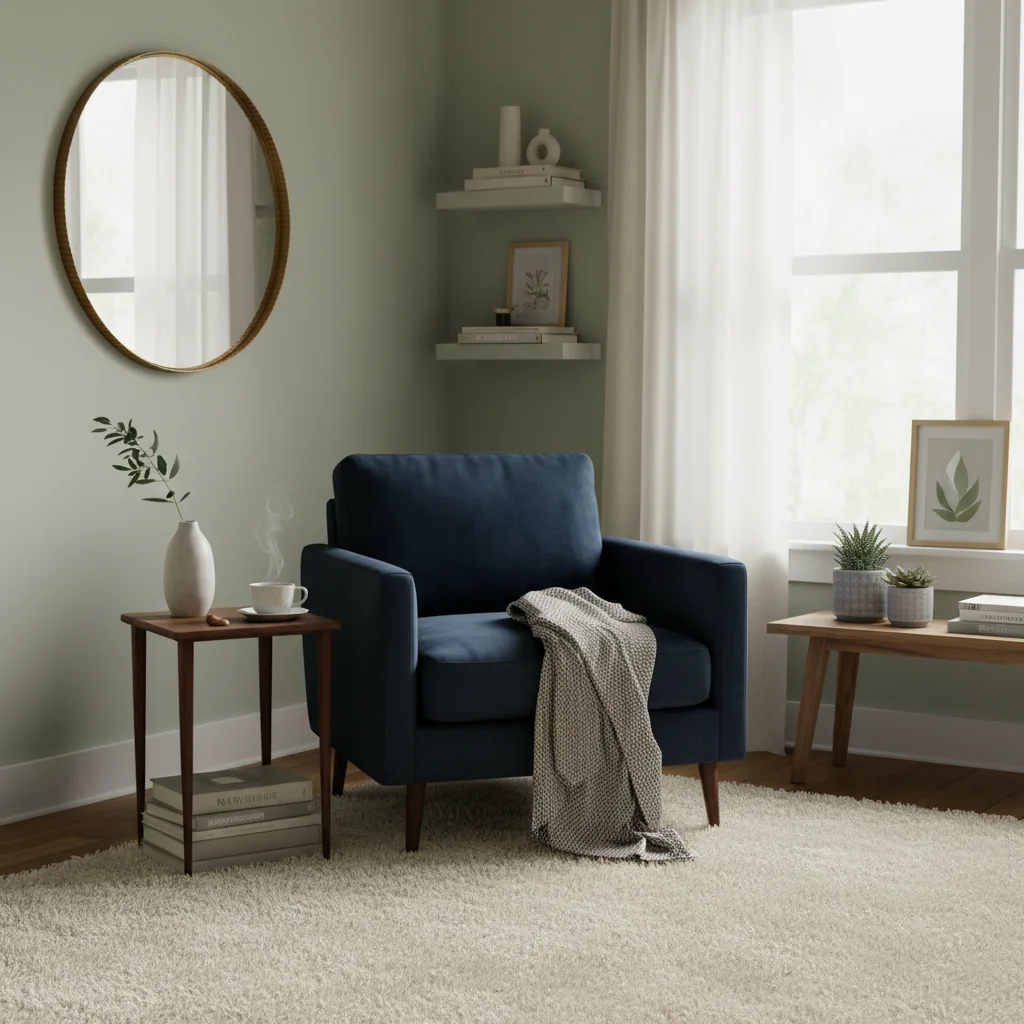
The Digital Detox Zone: Your Home's Screen-Free Sanctuary
The persistent glow of screens, the incessant ping of notifications, the subtle hum of our devices – they’ve become the ambient soundtrack to modern life. We juggle work emails, family group chats, social feeds, and endless streams of content, often without a moment's pause. But what if we could design a dedicated space within our homes, a quiet rebellion against this digital inundation? Imagine a corner, a room, a simple nook that promises respite, a tangible boundary where the digital noise simply cannot trespass. This isn't about Luddism; it’s about intentionality. It's about crafting a haven where clarity returns, where the gentle rustle of a page or the scent of cedar wood replaces the blue light of a phone.
The Quiet Rebellion: Reclaiming Focus and Presence
The subtle encroachment of technology into every crevice of our lives has left many of us feeling fractured, our attention span diced into ever-smaller segments. We live in a constant state of mild alertness, a low-grade hum of expectation that something online demands our immediate response. This perpetual vigilance, while seemingly benign, is a significant drain on our cognitive resources and emotional reserves. It contributes to what I've come to recognize as "digital fatigue," a weariness that permeates beyond the eyes and into the very core of our being. A digital detox zone at home acts as a powerful antidote, a physical and psychological demarcation line.
Consider the profound silence that descends when you truly disconnect. It’s not merely the absence of notification chimes; it’s the quietening of the internal monologue that constantly anticipates the next alert. In this dedicated space, your brain can truly downshift. The subtle tension in your shoulders might ease, your breath deepen, and the frantic pace of your thoughts begin to slow. I remember, early in my project management career, before I fully embraced home design as a calling, the sheer exhaustion after a day filled with back-to-back virtual meetings. My eyes would ache, my head felt foggy, and the line between work and personal life blurred into an indistinct grey. It was only when I started carving out specific, device-free pockets of my evening – a true "unplugged hour" in my small Seattle apartment – that I began to feel genuinely restored. These moments weren't just about relaxation; they were about regaining agency over my attention, about letting my mind wander and connect ideas without the constant pull of external demands. This zone isn't just about what you remove; it's about what you invite back in: unadulterated presence, genuine reflection, and the quiet satisfaction of simply *being*.
Crafting Your Sanctuary: Intentional Design Principles
Designing a digital detox zone isn't about extravagance; it's about thoughtful intention. The physical characteristics of this space play a crucial role in its efficacy. Start by identifying the ideal location. Perhaps it's an underutilized guest room, a spacious landing, or even a cozy corner of your living area that naturally feels secluded. The key is to choose a spot where the visual and auditory cues of digital life are minimized. If possible, opt for a space with ample natural light, which is known to boost mood and regulate circadian rhythms. Large windows allowing sunlight to stream in, perhaps filtered by sheer linen curtains that soften the light without blocking it entirely, create an immediate sense of calm.
Acoustics are paramount. Think about how sound travels. Soft furnishings, like plush rugs, upholstered chairs, and textile wall hangings, can absorb ambient noise, creating a hush that is deeply soothing. I often recommend incorporating elements that appeal to the senses in a gentle, non-overwhelming way. A sturdy armchair, perhaps covered in a rich, textured velvet or a breathable linen, should be the focal point. This isn't a place for quick perusal; it's a destination for lingering. Pair it with a small side table crafted from natural wood, its grain visible and tactile beneath your fingertips. For lighting, move away from harsh overhead fixtures. Instead, choose soft, warm illumination from a floor lamp or a strategically placed table lamp, casting a gentle glow that invites introspection rather than productivity. The color palette should reflect serenity: muted greens, soft blues, warm creams, or earthy browns. These hues have a grounding effect, visually expanding the space while promoting a sense of peace. When selecting furniture for your retreat, always consider materials that are both comforting and sustainable, contributing to a truly healthy environment. Prioritizing well-made, enduring pieces ensures your haven remains a true sanctuary for years to come. Sustainable Furniture Buying Guide: What to Look For in Eco-Friendly Materials and Brands offers excellent guidance here.
Beyond Screens: What to Fill Your Haven With
Once the stage is set with calming colors and comfortable furniture, the next step is to thoughtfully populate your digital detox zone with objects and activities that encourage genuine engagement and quiet contemplation. This space isn't meant to be empty; it's meant to be full of opportunities for non-digital connection. The most obvious, and often most rewarding, addition is a well-stocked bookshelf. Imagine running your hand along the spines of beloved novels, feeling the texture of paper, the subtle scent of aged ink. Reading, whether fiction or non-fiction, transports the mind in a way that scrolling never can, fostering deeper focus and imagination.
Consider tactile hobbies: a basket filled with yarn and knitting needles, a sketchpad and a set of charcoal pencils, or perhaps a puzzle waiting to be pieced together on a small, dedicated surface. These activities engage your hands and mind simultaneously, pulling you into a flow state that is inherently restorative. As a passionate plant parent, I always advocate for bringing the outdoors in. A thriving fiddle-leaf fig or a cluster of resilient snake plants not only purifies the air but also adds vital biophilic elements, connecting you to the natural world. Their verdant leaves, the subtle shift of light on their surfaces, offer a quiet, living presence. Further enhance the sensory experience with an essential oil diffuser releasing calming scents like lavender or bergamot, or a beautiful candle with a wood wick that crackles gently as it burns. A soft, weighty throw blanket draped over your armchair invites you to cocoon yourself, offering a physical sense of security and warmth. This is also the perfect place to embrace the philosophy of intentional reduction. By removing digital distractions, you inherently practice a form of minimalism, allowing the few chosen items in your zone to truly shine and serve their purpose. If the idea of paring down resonates, you might find valuable insights in The Power of Less: How Embracing Minimalism Transformed My Home and Mindset, which explores how decluttering can profoundly impact both your physical space and mental clarity.
Establishing Boundaries and Sustaining the Practice
Designing the physical space is only half the equation; the other, equally vital, half involves establishing clear boundaries and cultivating a consistent practice. Without discipline, even the most beautifully designed digital detox zone risks becoming just another pretty room. The first rule is simple, yet often the most challenging: *no devices allowed*. This means phones, tablets, laptops, smartwatches, and even e-readers (if their primary function is linked to digital notifications). Designate a specific charging station *outside* the zone, perhaps in a hallway or kitchen, where devices can rest without tempting you.
Communicate your intentions to those you share your home with. Explain that this space is sacred, a place for quiet reflection and disconnection. Perhaps suggest a family "quiet hour" where everyone retreats to their own screen-free activities. Consistency is key. Start small: commit to 15-30 minutes daily, gradually extending the time as it becomes a more ingrained habit. Make it part of your routine—perhaps the first hour after waking, or the last hour before bed. During my time as contributing editor for *Domicile & Design*, I remember spearheading a "Clever Living" column where we explored integrating smart home tech. Ironically, I also began to advocate for the intelligent *disengagement* from tech. I personally adopted a "sunset rule" in my home: after 7 PM, phones were deposited in a decorative basket in the mudroom. It was challenging at first, the phantom vibration of a message, the subconscious reach for my pocket. But within weeks, the quietude that filled our home, the extended conversations over dinner, the rediscovered joy of a physical book, became invaluable. This practice transformed not just my evenings, but the overall rhythm of our household. Sustaining a digital detox zone is less about deprivation and more about creating a new, healthier rhythm. It’s an investment in your mental clarity, your relationships, and your overall well-being. It requires intention, but the dividends it pays in peace of mind are immeasurable.
In a world that constantly demands our digital attention, carving out a dedicated screen-free haven at home is no longer a luxury, but a necessity. This isn't about rejecting progress or retreating from the modern world; it's about intelligent self-preservation. It's an act of thoughtful design that extends beyond aesthetics, reaching into the very core of our well-being and productivity. By meticulously crafting a space free from the incessant pull of devices – a place rich with comforting textures, soft light, and opportunities for genuine presence – we reclaim dominion over our focus, nurture our inner calm, and foster deeper connections with ourselves and those around us. This dedicated zone becomes a powerful reminder that the most valuable connections are often found not through a screen, but in the quiet moments of analogue life. It proves that with intention and a pragmatic design approach, a profound sense of peace is truly accessible within our own four walls.
SCORE: 9.3/10
Key Facts
| Average Daily Screen Time (Adults) | 7 hours 4 minutes |
| Impact on Sleep | Blue light exposure from screens 2 hours before bed can delay melatonin release by up to 3 hours |
| Prevalence of Digital Eye Strain | 60% of adults report symptoms of digital eye strain |
| Correlation with Stress | Higher screen time correlates with increased anxiety and depression symptoms in 70% of studies |
| Productivity Boost from Breaks | Brief, screen-free breaks can increase focus and productivity by 25% |
| Benefits of Reading (vs. Screens) | Reading physical books reduces stress by 68% and improves focus more effectively than digital media |
| Adults Actively Reducing Screen Time | 57% of adults report actively trying to limit their screen usage |