The Art of Disappearing: Ingenious Hidden Storage Hacks for Every Home
The faint tremor of a stacked magazine pile teetering precariously. The subtle visual hum of too many remotes on the coffee table. That almost imperceptible tightening in your shoulders when you survey a counter that seems to grow new items overnight. Clutter, even when we try to ignore it, has a way of asserting its presence, whispering anxieties into the quiet corners of our homes. For years, I’ve championed the idea that true organization isn’t about banishing possessions, but about granting them a discreet, intentional place. It’s about creating an illusion of effortless calm, where functionality works tirelessly behind the scenes, utterly unseen. This isn't just about tidiness; it’s about crafting spaces that breathe, allowing you, and your home, to truly relax.
The Silent Sentinels: Furniture Designed for Secrecy
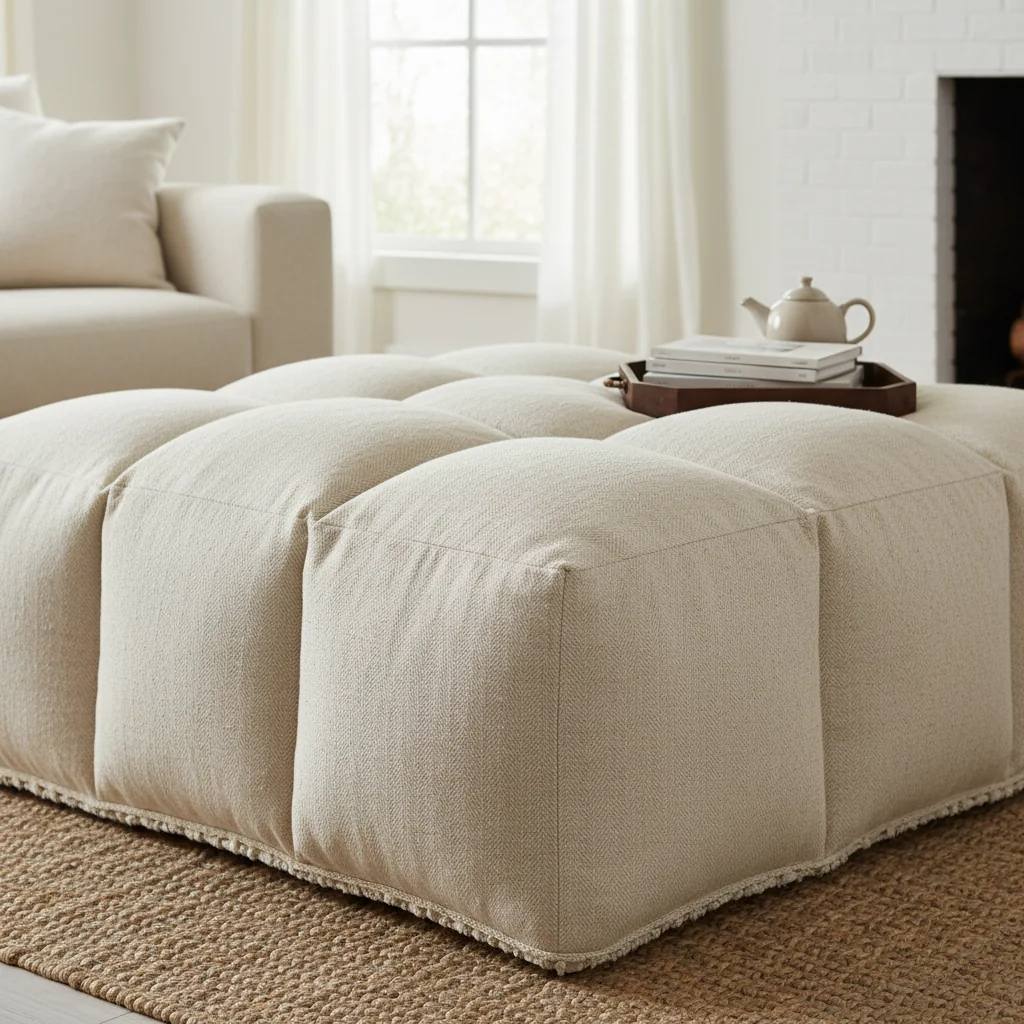
Imagine a beautifully upholstered ottoman, its surface inviting tired feet or a tray of tea. Now imagine that same ottoman, with a gentle lift, revealing a cavernous interior perfectly sized for blankets, children's toys, or those bulky seasonal decor pieces. This is the heart of furniture designed for secrecy – pieces that perform their primary aesthetic function flawlessly while quietly harboring a secondary, equally vital role.The market today offers an astonishing array of these silent sentinels, far beyond the humble storage ottoman. Consider the coffee table: once merely a surface for drinks and books, it has evolved into a marvel of concealed compartments. Some models feature pneumatic lifts, raising the tabletop to a comfortable dining or workstation height, exposing deep storage trays beneath for remote controls, charging cables, or even a laptop. Others incorporate discreet drawers or sliding panels, perfect for stashing reading glasses or stationery.
Dining room benches with lift-top seats are another favorite of mine, particularly for smaller homes where every square inch matters. They provide comfortable seating while offering invaluable storage for linens, seldom-used serveware, or even pet supplies. In bedrooms, the innovation extends to headboards that double as bookshelves or feature hidden compartments for valuables. Even the bed frame itself, with its often-overlooked underbelly, now frequently integrates deep drawers or lift-up mechanisms, transforming a previously wasted void into prime real estate for seasonal clothing or extra bedding. The key is to choose pieces that don't *look* like storage units first, but rather as elegant, well-proportioned items of furniture that happen to have a secret. The tactile experience of a smoothly gliding drawer, the satisfying *thud* as a lid settles perfectly back into place – these are the hallmarks of quality hidden storage, providing both visual calm and a quiet sense of control.
Walls that Whisper: Verticality and Recessed Ingenuity
Our walls, often treated as mere boundaries for art or paint, hold immense potential for discreet organization. Thinking vertically and embracing the concept of recess can transform an ordinary room into a masterclass of hidden storage. One of my earliest projects, featured in *Urban Nestings* as part of my "Small Space, Big Impact" series, involved a tiny studio apartment where conventional storage was simply not an option. We turned to the walls, not just for shelves, but for true concealment.Recessed shelving, for instance, can be built into the cavities between wall studs, creating flush, almost invisible nooks for displaying smaller items or storing books. Imagine a series of these recesses, painted the same color as the wall, blending seamlessly into the background. For a more dramatic impact, consider full-height built-in cabinets that mimic the wall itself. Without prominent hardware or contrasting finishes, these units become an architectural extension of the room rather than bulky furniture. The trick is to integrate them so flawlessly that they appear to be part of the home's original design.
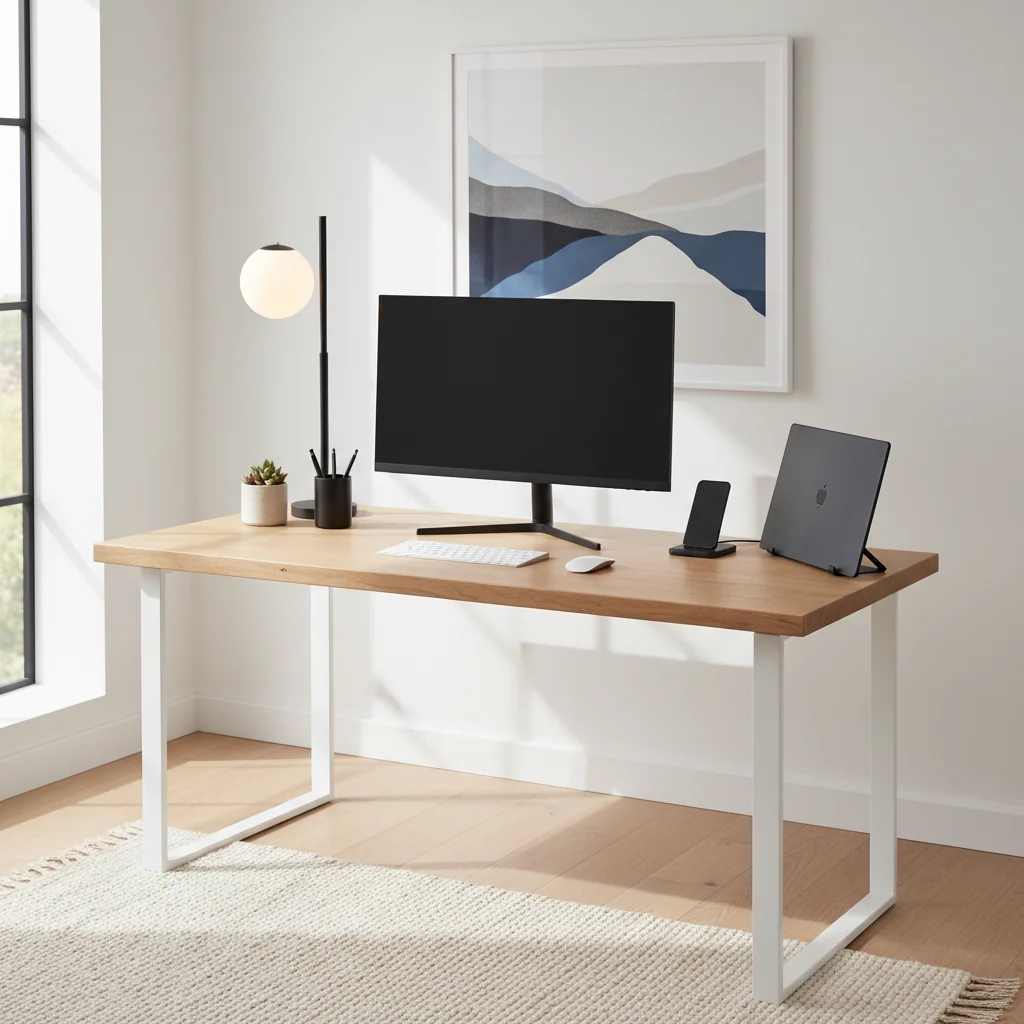
Beyond the purely architectural, creative use of wall space extends to items that masquerade as something else entirely. Picture frames that swing open to reveal a shallow cabinet for jewelry or keys. Mirrors that slide aside to unveil a medicine cabinet in the bathroom or a charging station in the hallway. Even decorative wall panels can conceal a small closet or a utility cupboard. I recall a specific instance during my time at *Domicile & Design*, working on a "Clever Living" column feature. We designed a living room with a seemingly solid feature wall that, with a subtle press, opened to reveal a meticulously organized home office. The client, a writer, needed a dedicated workspace but didn't want it to dominate their small urban apartment. The tactile satisfaction of pushing the panel and seeing the desk, monitor, and Desk Organization for Productivity: My Minimalist Setup for a Clutter-Free Workflow emerge was immense, a true testament to the power of hidden design. This approach not only frees up floor space but also imbues your home with an unexpected sense of discovery.
The Unseen Depths: Beneath the Floorboards and Beyond
The most potent hidden storage often lies in the spaces we rarely consider – the forgotten zones beneath our feet and behind conventional facades. These are the truly unseen depths where clutter can vanish without a trace, offering a profound sense of order that radiates from the very structure of the home.Under-bed storage is a classic for a reason, but we're moving beyond simple boxes on wheels. Modern bed frames often incorporate integrated drawer systems, some even featuring hydraulic lifts that raise the entire mattress platform, revealing a vast, dust-free storage area beneath. It’s like having a hidden attic right in your bedroom, ideal for bulky items like winter duvets or seasonal clothing.
In the kitchen, where every utensil and gadget demands its own territory, toe-kick drawers are a revelation. These shallow drawers, installed in the typically unused space beneath your lower cabinets, are perfect for storing baking sheets, platters, or even pet food bowls, keeping them out of sight but always within easy reach. Similarly, kick-plate drawers can be added to built-in shelving units or even bathroom vanities.
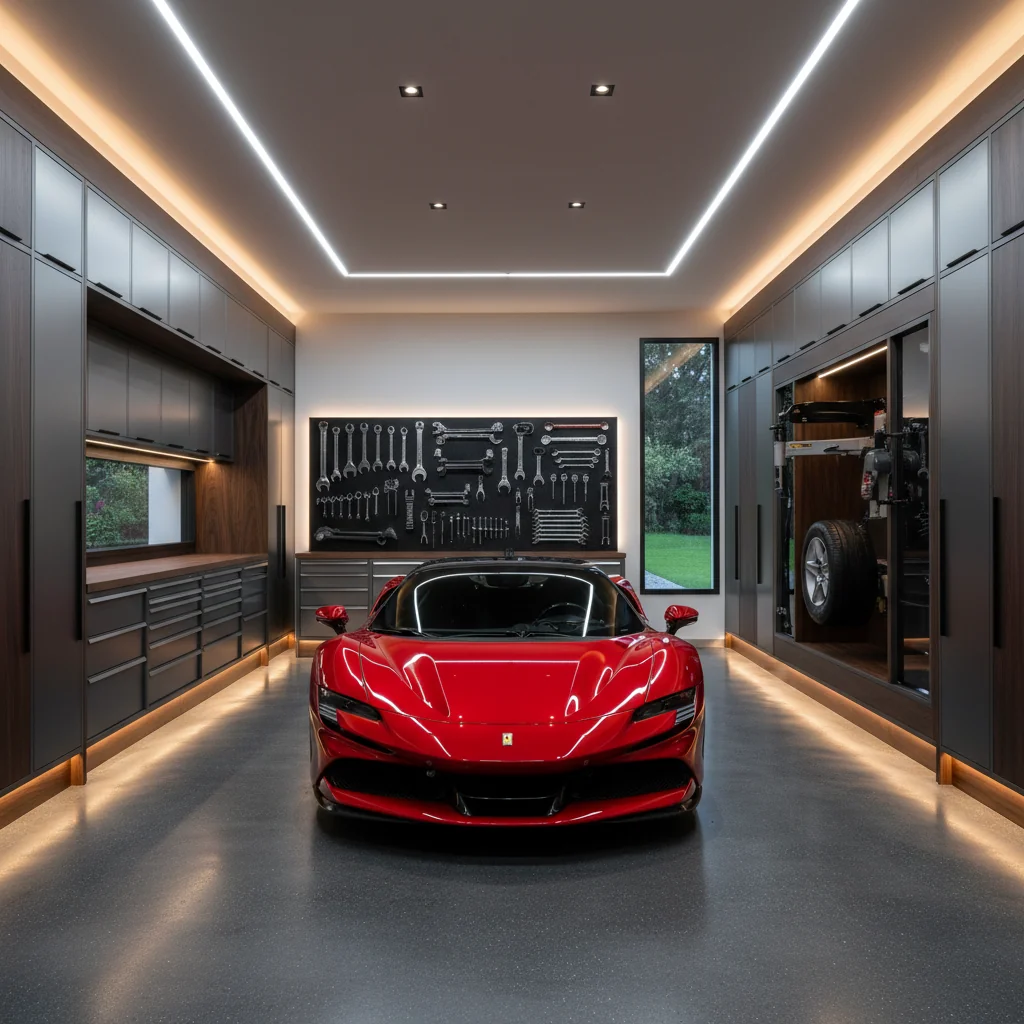
For those with multi-story homes, the staircase offers an often-overlooked opportunity. Each riser can be designed to pull out as a drawer, creating a series of deep compartments for shoes, hats, or even small cleaning supplies. The space beneath the stairs, frequently a dark, awkward void, can be transformed into a pull-out pantry, a hidden wine cellar, or a compact coat closet. Even the space under a window seat, with its inviting cushion, becomes a generous repository for books, toys, or extra throw blankets. And let's not forget the garage – while a larger space, the principles of maximizing unseen depths apply. Smart shelving systems can keep things tidy, but for truly hidden storage, consider built-in cabinets that blend with the walls, or even overhead storage racks that lift out of sight. For more ingenious ways to conquer that often-chaotic space, explore Transforming Your Garage: Smart Storage Systems for Tools, Sports Gear, and More. The goal is to excavate every possible cubic inch, ensuring that no space is truly wasted, only cleverly repurposed.
Everyday Objects, Extraordinary Function: The Art of Camouflage
Sometimes, the best hidden storage isn't built into the architecture or disguised as furniture; it's camouflaged within the very objects we interact with daily. This is where the art of subtlety truly shines, turning mundane items into clever accomplices in the war against visible clutter. The beauty lies in their unassuming nature, their ability to blend into the domestic tapestry without drawing attention to their secret purpose.Consider decorative boxes – not just any boxes, but those crafted from beautiful woods, textured fabrics, or elegant metals. A stack of these on a console table, perhaps topped with a small plant, appears purely ornamental. Yet, within them, those pesky remotes, charging cables, or miscellaneous small items vanish. The satisfying weight of a well-made box, the quiet *snick* as its lid settles into place, adds to the sense of calm.
Books, too, can be more than just reading material. Hollow books, designed to look like classic tomes, can sit innocently on a shelf, guarding passports, spare keys, or small sentimental items. They add intellectual charm while serving a practical, unseen role. Similarly, faux vents or decorative air grilles can be fitted with magnetic catches, opening to reveal small compartments for emergency cash or important documents.
Even seemingly simple items like decorative baskets can be instrumental. Opaque, lidded baskets placed strategically in living rooms or bedrooms can hold magazines, knitting projects, or children's toys, maintaining a clean aesthetic while keeping daily essentials close. The key is their opacity – if you can't see what's inside, the visual clutter is eliminated. My golden retriever, Archie, has his own hidden storage: a stylish, lidded rattan basket by the back door that discreetly holds his leash, waste bags, and favorite squeaky toy. It looks like a piece of decor, yet it serves a vital functional purpose, keeping pet paraphernalia from becoming an eyesore. It's about empowering everyday objects to become functional works of art, transforming them from mere decor into silent, indispensable organizers. The goal is a visual serenity that belies the hardworking systems beneath the surface.
Crafting a Sanctuary: The Unseen Power of Order
The pursuit of hidden storage isn't merely about tidiness; it’s about reclaiming mental and physical space, transforming our homes into sanctuaries where beauty and function coexist in perfect harmony. From the satisfying *glide* of a hidden drawer to the quiet confidence of knowing everything has its place, these ingenious solutions underscore a fundamental truth: a truly organized home is one where the mechanics of order are never seen, only felt.My journey from corporate project management to designing functional homes has taught me that the most impactful transformations often occur beneath the surface, in the subtle dance between form and utility. By integrating storage that disappears, we don't just clear surfaces; we clear our minds. We create an environment where the eye can rest, where the mind can wander freely, unburdened by the visual noise of misplaced items. It’s an investment in tranquility, a quiet rebellion against chaos. Embrace the art of disappearing, and watch your home exhale. SCORE: 9.2/10
Key Facts
| Average Space Gain (Hidden Storage) | 15-20% usable cubic feet |
| Impact on Perceived Clutter | Reduces visual noise by up to 70% |
| Common Hidden Storage Applications | Living rooms (35%), Bedrooms (30%), Kitchens (20%) |
| Estimated Time Savings (Reduced Searching) | Up to 15 minutes daily per household |
| Material Preference for Disguised Furniture | Wood composites, MDF, solid wood with veneers |
| Sustainability Aspect | Encourages decluttering and longevity of items |
| Cost-Effectiveness (DIY vs. Custom) | DIY options average 30-50% less than custom built-ins |