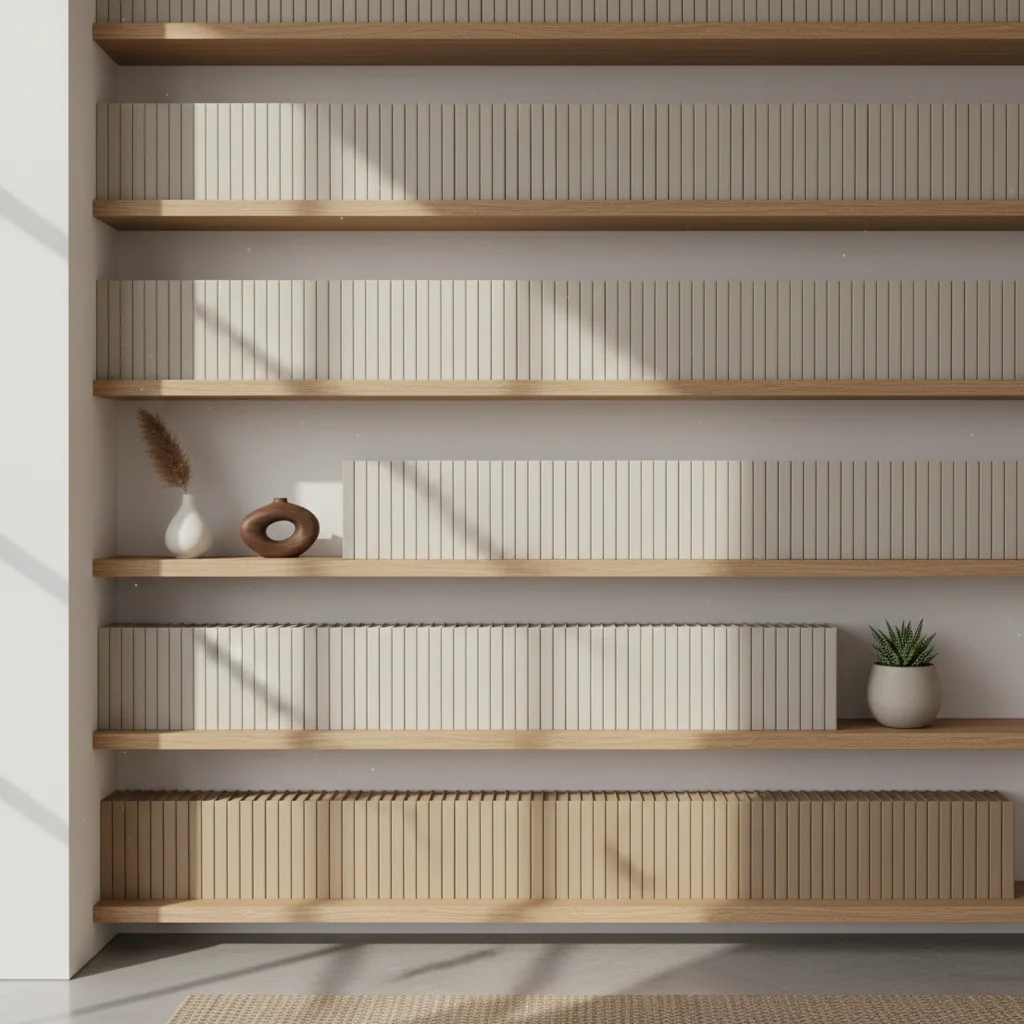
The faint, plastic-y tang of a newly unboxed, mass-produced item often fills a room, promising instant gratification. For a moment, its sleek lines might even fool you into thinking you've found a "deal." But then, the flimsy drawer slides stick, the veneer peels at the corners, and that initial shine dulls, leaving behind a persistent whisper of disappointment. We've all been there, lured by the siren song of affordability, only to find ourselves trapped in a cycle of replacement and regret. My Seattle apartment, once a testament to maximizing every square inch, taught me a crucial lesson early on: truly intelligent design isn't about filling space; it's about curating a life. It's about a fundamental shift in perspective, embracing the enduring value of investing in quality over quantity home pieces.
The Weight of Fleeting Possessions: Why Less is More
Walk into a home filled with disposable decor and you often feel it immediately: a subtle tension, a lack of grounding. The air might carry the faint scent of new particle board, a smell that never quite dissipates. Surfaces scratch easily, edges chip, and the overall impression is one of impermanence, a space that feels temporary rather than lived-in. This isn't just an aesthetic problem; it's a sensory one. A cheap couch, for instance, might offer a brief illusion of comfort, but the thin foam quickly compresses, the fabric pills, and the frame creaks with every shift. It doesn't invite you to sink in, to truly relax. It merely serves a function, often poorly, until its inevitable decline.
Contrast this with the tactile pleasure of a solid wood dining table, its grain telling a story, its surface warming slightly under your hand. Or the resilient give of a well-made armchair, upholstered in a natural fiber that breathes, developing a gentle patina with age rather than succumbing to wear. These items possess a quiet gravitas. They anchor a room, not just visually, but experientially. There's a satisfaction in opening a perfectly weighted drawer, the smooth glide of its mechanism a small, everyday joy. This isn't about extravagance; it's about the inherent dignity of well-crafted objects. It's about choosing pieces that earn their place, not merely occupy it. My goal, always, is to help homeowners understand that the initial "savings" of a low-cost item often evaporates quickly, replaced by the hidden costs of dissatisfaction and premature replacement.
Beyond the Price Tag: Unveiling the True Cost of Cheap
The allure of a rock-bottom price is potent, I admit. For years, I approached my apartment redesigns with a strict budget, convinced I could outsmart the system by finding clever, low-cost alternatives. I remember, during my early days contributing to *Urban Nestings*, writing a piece about "hacks" to make mass-produced shelving look bespoke. While those tricks held their charm for a time, a specific incident solidified my understanding of true value. I'd purchased a seemingly stylish, inexpensive side table for a client's project – a lovely, minimalist piece with a veneer top. Within months, a condensation ring from a forgotten teacup had not only marked the surface but had bubbled the veneer beneath, rendering it irrevocably damaged. The client, understandably, was disappointed. The "savings" from that initial purchase quickly vanished when we had to source a replacement, doubling the cost and effort.
This experience, a clear lesson in the hidden expenses of fleeting trends and poor craftsmanship, underscored a fundamental principle: the true cost of an item isn't just its purchase price. It encompasses its longevity, its durability, and the psychological burden of its eventual failure. A quality piece, while a larger initial investment, depreciates slowly, maintains its functionality, and often retains a significant portion of its value. Think of a well-built sofa that lasts fifteen years versus one that needs replacing every three. The long-term financial outlay for the cheaper option far surpasses the initial investment in the quality piece. Furthermore, quality often translates to less waste, fewer trips to the landfill, and a reduced environmental footprint—a core tenet of intentional living.
The Aesthetic Resonance: Crafting a Home with Staying Power
A truly thoughtful home isn't assembled overnight; it evolves, a reflection of the lives lived within its walls. When we choose quality, we're not just buying an object; we're investing in a narrative, a piece that will age gracefully, accumulating character rather than showing signs of rapid decline. Imagine the subtle sheen of an aged brass fixture, the deep, varied tones of a hand-knotted rug underfoot, or the satisfying weight of ceramic dinnerware in your hand. These are the details that build a rich, inviting atmosphere, a space that feels deeply personal and authentically stylish.
Quality pieces possess an inherent integrity. Their lines are often cleaner, their proportions more considered, and their finishes more refined. They don't scream for attention; they simply *are*. This quiet confidence allows other elements in a room to shine – a vibrant piece of art, a collection of beloved books, or the lush green of thriving houseplants. The beauty of a quality over quantity home is that each item is selected with intention, contributing to a cohesive whole that feels both aspirational and deeply comfortable. It liberates your space from the visual noise of excess, allowing for clarity and calm. And as we seek to reduce the visual clutter, we often find ourselves needing to first address the physical clutter that can accumulate from too many transient items. For those ready to truly pare down and create a home that breathes, I always recommend exploring The 30-Day Declutter Challenge: A Step-by-Step Guide to an Intentional Home. It's a foundational step towards embracing a more intentional aesthetic.
Practicing Prudent Selection: Strategies for a Quality Over Quantity Home
Adopting a quality over quantity approach doesn't mean emptying your bank account. It means shifting your mindset from impulsive purchases to thoughtful curation. My project management background instilled in me the power of strategic planning, and that applies just as much to home design. Begin by identifying your "forever pieces"—the furniture items that serve as anchors in your home, like a sofa, dining table, or bed frame. These are areas where investing in durability and timeless design will yield the greatest long-term returns. For accent pieces, consider vintage or antique finds. Seattle's antique markets are a particular joy of mine, offering unique, well-made items with character that can’t be replicated by mass production. A pre-loved wooden chest or a ceramic vase with a story can bring warmth and individuality to a space, often at a fraction of the cost of new, high-end alternatives.
Prioritize natural materials: solid wood, wool, linen, cotton, metal, and natural stone. These materials not only age beautifully but are often more sustainable and less prone to off-gassing than synthetic counterparts. Educate yourself on construction methods; understand what makes a sofa frame sturdy (hardwood, not particleboard) or a drawer slide smooth (dovetail joints, not staples). And remember, the care you give to your quality items extends their life. Investing in non-toxic cleaning products, for instance, ensures you're not inadvertently damaging finishes or introducing harsh chemicals into your carefully crafted environment. For those looking to keep their quality pieces pristine without compromise, I’ve shared my insights in Choosing Non-Toxic Cleaning Products: My Favorite Eco-Friendly Brands for a Healthier Home. This mindful approach ensures your home remains a sanctuary, designed to endure and delight for years to come.
Embracing a quality over quantity home isn't just a design philosophy; it's a profound lifestyle choice. It's about rejecting the transient nature of consumerism in favor of lasting value, beauty, and true functionality. It means slowing down, thinking critically about each purchase, and understanding that a well-appointed home is built on a foundation of thoughtful decisions, not fleeting trends. The initial investment might feel steeper, but the long-term savings—both financial and environmental—are undeniable. More importantly, it cultivates a living space that feels authentic, comfortable, and truly reflective of your values. This approach creates a home that supports your well-being, reduces stress, and offers a quiet, enduring sense of satisfaction that a house full of disposable items simply cannot. It transforms your abode from a mere collection of objects into a sanctuary of intentional living. SCORE: 9.2/10
Key Facts
| Average Lifespan Increase (Quality vs. Budget Furniture) | 3x longer |
| Estimated Reduction in Household Waste (Intentional Buying) | Up to 40% |
| Typical ROI on Quality Home Investments (Over 10 Years) | 150-200% |
| Common Lifespan of Solid Wood Furniture | 20-50+ years |
| Common Lifespan of Particle Board Furniture | 2-5 years |
| Recommended Budget Allocation for Key Furniture Items | 60% of decor budget |
| Impact on Indoor Air Quality (Natural Materials vs. Synthetics) | Significantly improved |