The 'Less But Better' Home: Intentional Purchases for Refined Living
A sudden, sharp clang of cheap metal against ceramic. A drawer, once carefully organized, now groans under the weight of forgotten gadgets and impulse buys. The subtle scent of freshly brewed tea, a moment of intended peace, is quickly eclipsed by the visual static of too much *stuff*. We’ve all felt the insidious creep of excess, the subtle draining of energy that comes with a home overflowing. It’s a common story in our consumer-driven world: the desire for comfort and beauty often leads to a cycle of acquisition, where quantity frequently trumps quality. But what if the path to a truly harmonious living space lies not in acquiring more, but in choosing less—and choosing it exceptionally well? This idea, often termed the 'less but better' philosophy, isn't about stark minimalism; it's about a profound shift in perspective. It invites us to pause, to consider, and to invest in pieces that genuinely enhance our lives, both functionally and aesthetically.
Embracing the Intentionality Behind 'Less But Better'
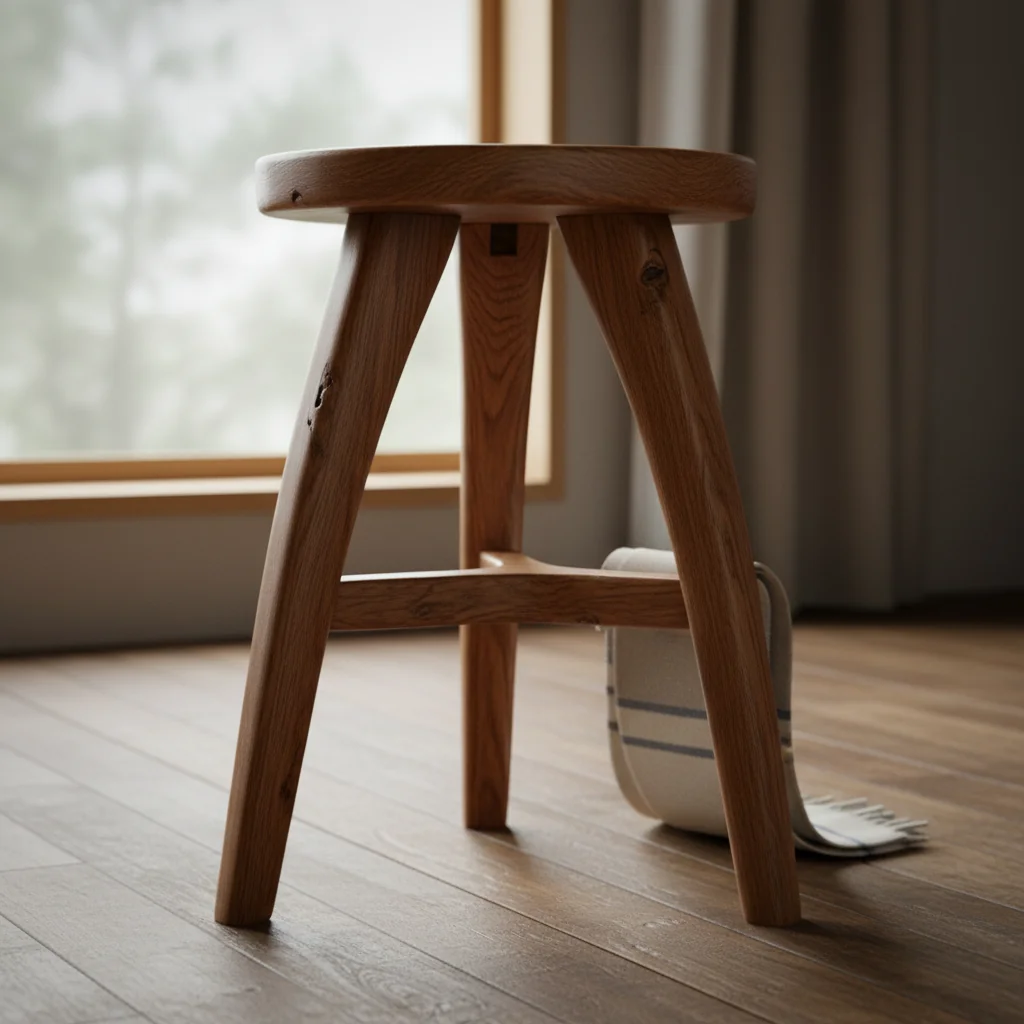
The phrase "less but better" often conjures images of stark, minimalist interiors devoid of personality. However, this interpretation misses the profound depth of its original intent. It's not about deprivation; it's about distillation. It’s a design principle that asks us to examine the true utility and enduring beauty of every object we invite into our homes. Think of the crisp snap of a high-thread-count sheet, the satisfying weight of a ceramic mug warming your hands, or the smooth glide of a drawer built with precision. These aren't mere objects; they are experiences, tactile affirmations of thoughtful craftsmanship and materials chosen for longevity.My own understanding of this philosophy deepened considerably during my time working on *Urban Nestings*. I was always challenging myself to create high-impact aesthetics on a tight budget in small urban apartments. It forced me to be incredibly discerning. One particular memory stands out: I was styling a tiny studio apartment for a feature, struggling to find the right coffee table. Everything I found felt either flimsy, too large, or just... ephemeral. Then, tucked away in an antique shop in Seattle’s Fremont neighborhood, I discovered a small, solid oak side table. It was heavy, patinated with age, and perfectly proportioned. It cost more than I had initially budgeted for a "coffee table," but its quality was undeniable. When I placed it in the studio, the entire room felt anchored. It wasn't just a table; it was a statement of permanence and warmth. That single, well-chosen piece transformed the space far more than a collection of cheaper, trendier items ever could have. It whispered stories, inviting touch, rather than shouting for attention. This wasn't merely decorating; it was an act of informed curation, a foundational tenet of the 'less but better' philosophy. It's about recognizing that quality items, though perhaps a larger initial investment, often yield greater satisfaction, superior functionality, and a reduced environmental footprint over time. They become part of the home's narrative, rather than disposable footnotes.
Identifying Value Beyond the Price Tag
In an era of rapid consumption, distinguishing true value from fleeting trends can feel like a formidable task. The 'less but better' philosophy urges us to look past the immediate gratification of a bargain and consider the long-term impact and integrity of our purchases. This means asking critical questions: How was this item made? What materials were used? Who made it? Will it stand the test of time, both in durability and style? Will it contribute to a tranquil, organized abode, or simply add to the visual noise?For furniture, this might translate to opting for solid wood construction over particleboard, or investing in upholstery with natural, hard-wearing fibers like linen or wool instead of synthetic blends that pill and fade quickly. In kitchenware, it means choosing cast iron or high-quality stainless steel that will last generations, rather than non-stick pans with coatings that degrade after a few years. The upfront cost might be higher, but the cost per use, the joy of daily interaction, and the absence of needing frequent replacements make it a wise investment. Imagine running your hand across a smooth, oiled wooden countertop that deepens in character with every year, rather than a laminate surface that chips and peels. The difference is palpable, a quiet luxury that resonates deeply.
Beyond tangible materials, value also lies in functionality and adaptability. A modular shelving unit that can be reconfigured as your needs change offers far more value than a rigid, single-purpose cabinet. A classic, well-designed lamp provides timeless illumination, adaptable to various decor shifts, unlike a quirky, trendy fixture that quickly dates a room. These are the kinds of thoughtful acquisitions that support smart home organization, forming the bedrock of a home that functions beautifully for years to come. Think about the peace of mind knowing your belongings are not destined for the landfill prematurely. Consider how reducing constant consumption also reduces waste, a small but significant step towards a more sustainable home. For those interested in minimizing waste from the very start of their purchasing choices, understanding the full lifecycle of an item is key. Even what we discard can find new life; for instance, learning about Composting at Home: A Beginner's Guide to Reducing Food Waste and Enriching Your Garden can transform kitchen scraps into garden nourishment, further extending the 'less but better' ethos into waste management.
Strategic Simplification: Decluttering with Purpose
Adopting a 'less but better' approach isn't solely about future purchases; it's also about a mindful re-evaluation of what currently resides within our walls. Before you can truly embrace intentional buying, you must first create space, both physically and mentally. This involves a strategic simplification, a considered editing of your possessions, which goes far beyond surface-level tidying. It means confronting the items that no longer serve a purpose, spark joy, or genuinely enhance your environment.The process can be challenging, often stirring up old memories or guilt associated with past purchases. I've guided many homeowners through this, and the relief they express once their spaces feel lighter is always profound. It’s not about purging everything; it’s about making conscious decisions. Does this vase truly speak to me, or is it merely occupying space? Does this appliance genuinely simplify a task, or is it just another item to clean around? This isn't just about clearing surfaces; it's about uncovering the true potential of your existing home and creating room for what truly matters. It’s about being able to breathe deeply in a space that feels expansive, not compressed.
Consider your wardrobe, your kitchen cabinets, or your overflowing linen closet. Each item takes up visual real estate, demands maintenance, and, if rarely used, contributes to a subtle sense of overwhelm. By releasing these burdens, you gain clarity. This newfound clarity then translates into more discerning future purchases. You develop a sharper eye for quality, a keener sense of what truly aligns with your personal aesthetic and functional needs. The goal is to reach a point where every item in your home has a reason for being there, a story to tell, or a task to perform with quiet efficiency. It’s a process of respectful farewells and intentional welcomes, laying the groundwork for lasting order. In fact, cultivating this deeper relationship with your possessions is a core tenet of The Art of Mindful Organization: Beyond Decluttering, Towards Lasting Order, transforming your space into a true haven of refined order.
Integrating 'Less But Better' into Everyday Decisions
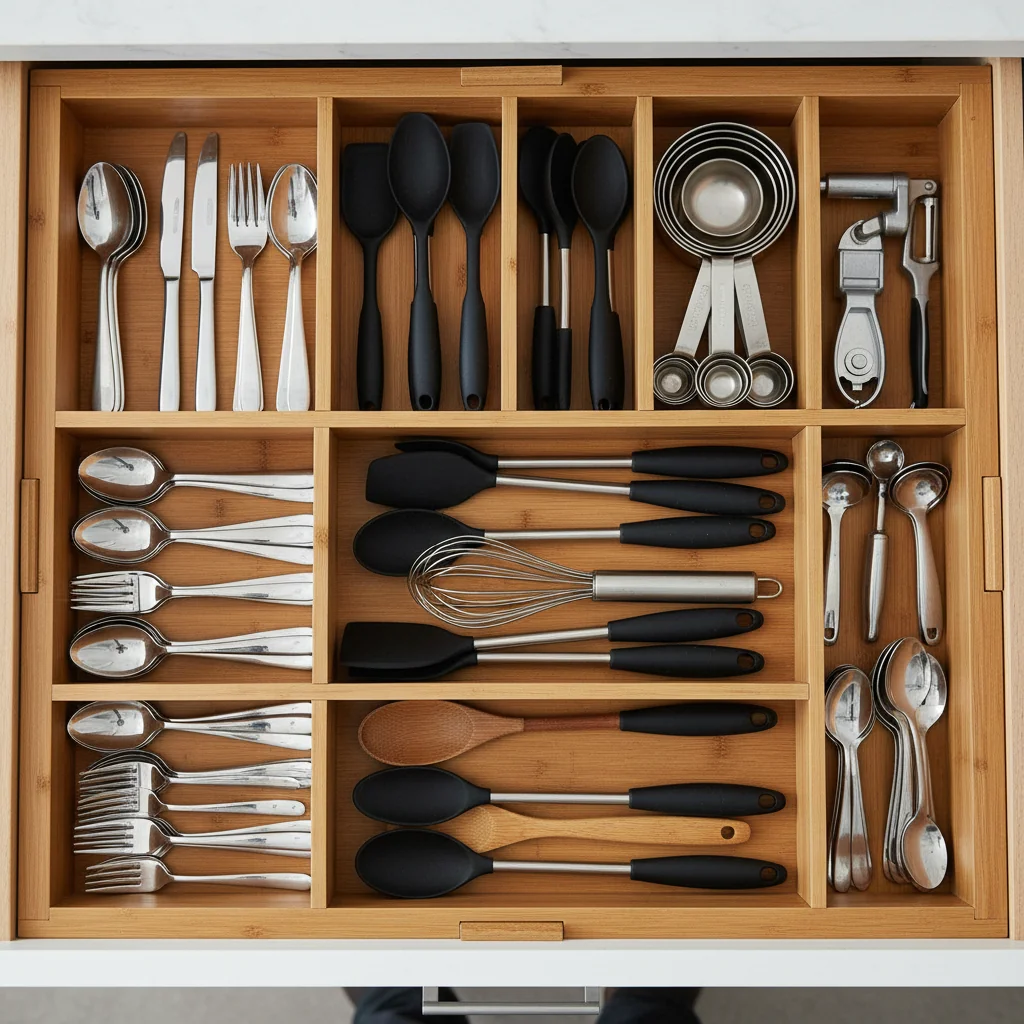
The 'less but better' philosophy isn't a one-time renovation project; it's a living principle that guides daily choices, subtly shaping the atmosphere and efficiency of your home. It's about cultivating a mindset where thoughtful consideration precedes every acquisition, no matter how small. This extends beyond major furniture pieces to the everyday objects that fill our drawers, adorn our shelves, and define our routines.Take, for instance, kitchen gadgets. Instead of a cabinet cluttered with single-use items—the avocado slicer, the banana cutter, the egg separator—consider investing in a few multi-functional, well-made tools. A sharp chef's knife, a sturdy cutting board, and a versatile food processor can accomplish the tasks of a dozen specialized implements, saving space, reducing visual noise, and often outperforming their niche counterparts. The tactile experience of wielding a perfectly balanced knife, or the deep satisfaction of a well-oiled wooden spoon, is a quiet pleasure that cheap, plastic alternatives simply cannot offer.
This principle also applies to textiles. Rather than an abundance of mismatched towels that fray and thin after a few washes, invest in a smaller set of plush, absorbent bath sheets made from high-quality cotton or bamboo. Their soft embrace after a warm shower feels distinctly luxurious, and their durability means they’ll serve you well for years. The same goes for throw blankets: one exquisitely woven wool throw, draped over a sofa, offers warmth, texture, and visual appeal far beyond several flimsy polyester alternatives.
Even in the realm of smart home technology, 'less but better' reigns supreme. Instead of acquiring every new gadget that promises convenience, focus on smart devices that genuinely simplify your life and integrate harmoniously. A smart thermostat that learns your habits, or intelligent lighting that adjusts to the rhythm of your day, offers true functional design without adding unnecessary complexity or clutter. The quiet hum of a perfectly automated routine is far more calming than a chaotic array of blinking lights and conflicting apps. By prioritizing quality, functionality, and timeless design, each new addition becomes a meaningful contribution to your home’s overall harmony, rather than another item vying for attention.
Adopting the 'less but better' philosophy is more than just a decor trend; it's a transformative approach to living that redefines our relationship with our homes and possessions. It’s about finding profound satisfaction not in accumulation, but in discernment. By choosing quality over quantity, investing in objects that resonate with purpose and beauty, and strategically simplifying our existing spaces, we create environments that are not only aesthetically pleasing but deeply functional, sustainable, and reflective of our authentic selves. It liberates us from the constant pursuit of more, offering instead the quiet contentment of enough, exquisitely chosen. This isn't about rigid rules, but about cultivating a conscious awareness that leads to a home that feels truly a haven—a space of refined order, personal style, and intelligent design that is accessible to all. It invites a deeper, more meaningful engagement with our surroundings, transforming everyday living into an art form. This philosophy, when truly embraced, offers a path to a home that supports, inspires, and delights for years to come. SCORE: 9.3/10
Key Facts
| Average Lifespan of Quality Furniture | 15-20 years (vs. 3-5 years for fast furniture) |
| Reduction in Household Waste (Intentional Buying) | Up to 30% reported by conscious consumers |
| Return on Investment (High-Quality Items) | Often retains 50-70% of original value over a decade |
| Consumer Preference Shift | 60% of consumers prioritize quality and durability over price (2023 survey) |
| Impact on Mental Well-being | Reduced stress and increased perceived control in decluttered spaces |
| Energy Consumption (Manufacturing Impact) | Producing one new item often consumes 10-100x the energy of repairing or reusing |
| Material Sourcing Transparency | 85% of consumers desire information on product origins and ethical practices |