Maximizing Your Bathroom: Clever Storage for Every Essential
The soft, muffled thud of a towel falling from an overflowing shelf. The subtle, yet undeniable, aroma of spilled lotion mingling with forgotten bar soap. These are the tell-tale signs of a bathroom struggling to contain its purpose, a space meant for quiet rejuvenation often becoming a casualty of daily accumulation. Yet, a truly functional bathroom isn't just about gleaming fixtures or the latest tile trend; it's a meticulously planned haven where every item has its rightful place, where the very act of reaching for a fresh towel or a morning serum feels effortless. It’s a challenge I’ve embraced countless times, transforming cramped, chaotic corners into serene, efficient retreats.
The Unseen Architecture: Optimizing Built-In Foundations
Before we introduce any new elements, a critical evaluation of what’s already there is paramount. Your existing vanity, medicine cabinet, and any recessed shelving are the foundational pillars of your bathroom’s organizational potential. Too often, these are treated as mere receptacles, their interiors a jumble of half-used products and mismatched linens. My approach begins by emptying every drawer, every cabinet, every shelf. This isn't just a physical act; it's a mental reset, allowing a clear, unbiased assessment of what you genuinely use, what you love, and what has simply taken up residence out of habit. The cool, smooth ceramic of the emptied sink feels like a clean slate, inviting thoughtful consideration.
Consider the humble vanity. Is it a cavernous void where bottles disappear into the depths, or a series of intelligently divided compartments? For many, it's the former. This is where bespoke inserts and adjustable drawer dividers become indispensable. I remember a particularly challenging project for *Domicile & Design*'s "Clever Living" column, where I tackled a turn-of-the-century Seattle apartment with a deceptively large, but utterly impractical, pedestal sink vanity. We custom-fitted shallow, acrylic trays within the existing footprint, creating designated zones for everything from dental hygiene essentials to hair accessories. The transformation was immediate and palpable; no more fumbling, just a smooth, intuitive reach. The key lies in understanding the dimensions of your items. Tall bottles need vertical clearance, while smaller items demand compartmentalization to prevent them from becoming a dishevelled mess. Shallow drawers can be layered with stackable trays, while deeper cabinets benefit from pull-out shelves or rotating carousels, ensuring that items in the back are just as accessible as those in the front. Maximizing bathroom storage within these existing structures is not about buying more containers, but about making the containers you have work smarter.
Even a standard medicine cabinet, often overlooked, holds untapped potential. Magnetic strips adhered to the interior door can hold small metal items like tweezers or nail clippers. Clear, wall-mounted pouches or mini-shelves can add extra layers of storage without obstructing the mirror. Think vertically, too. Layered acrylic risers can present often-used items at eye level, preventing that frantic rummaging. The goal is to make every square inch accountable, every opening purposeful.
Beyond the Walls: Ingenious Freestanding and Mounted Solutions
Once your existing built-ins are working to their full potential, it's time to explore the space beyond the immediate confines of the vanity and medicine cabinet. This is where the pragmatic designer in me truly shines, seeking out elegant additions that enhance both form and function without overwhelming the visual flow of the room. The subtle gleam of brushed brass on a modern etagere, or the organic warmth of bamboo shelves, can introduce textural interest while providing much-needed real estate for essentials.
Floating shelves, for instance, are more than just decorative elements. When strategically placed above the toilet or adjacent to the shower, they offer a perfect perch for neatly folded guest towels, a fragrant diffuser, or a small collection of bath oils. The trick here is balance: don't overcrowd them. A few thoughtfully chosen items create a sense of curated calm, whereas too many pieces quickly devolve into visual noise. I've often found that incorporating materials that complement the existing finishes – perhaps a sleek, black metal shelf against a pale tile, or warm oak floating above a cooler ceramic – adds a layer of design sophistication.
For those battling truly compact bathrooms, over-the-toilet storage units can be veritable lifesavers. While some designs can feel cumbersome, newer iterations boast slender profiles and sophisticated finishes that integrate beautifully. Look for models with a mix of open shelving for display and closed cabinets for more private items. Alternatively, consider a slimline ladder shelf; its open rungs offer an airy feel, preventing the space from feeling boxed in. These pieces are not just about adding surface area; they're about creating visual interest and drawing the eye upward, making the room feel larger.
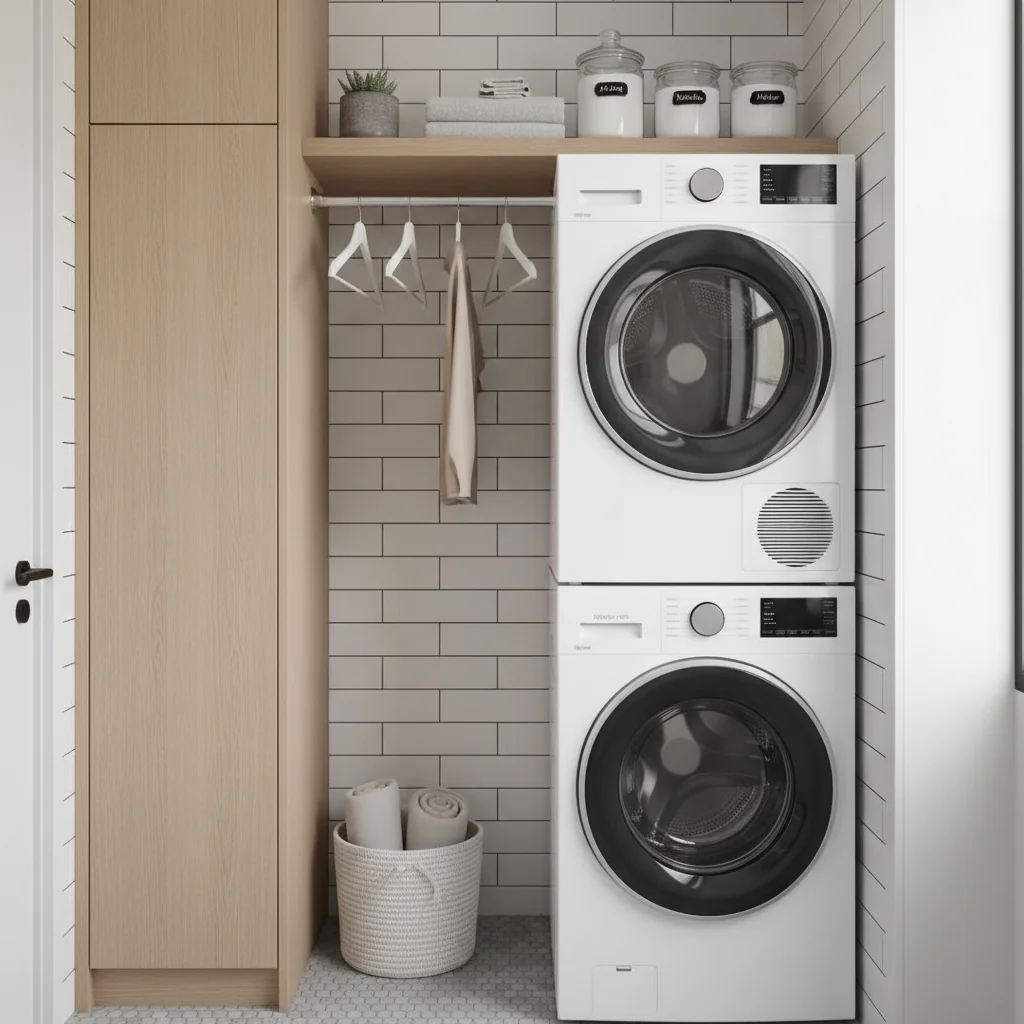
And let's not forget the shower itself. While often a breeding ground for a chaotic collection of bottles, a well-chosen shower caddy or recessed niche can restore order. Look for rust-resistant materials and designs that offer drainage. For smaller utilities or items that require a more dedicated space, consider how you might organize a truly compact area. For further inspiration on making every utility space count, consider Designing a Functional Laundry Nook: Space-Saving Ideas for Compact Homes. This principle of maximizing every available inch is central to creating a truly functional abode.
Tailored Tactics for Specifics: Linens, Toiletries, and Beyond
With the foundational structures and supplementary units in place, the next crucial step is to address the specific categories of items that populate our bathrooms. This is where the art of micro-organization comes into play, ensuring that every type of item, from plush towels to delicate serums, has a system that makes retrieval and return effortless.
**Linens:** The crisp scent of freshly laundered towels is one of life’s simple luxuries, and their proper storage enhances that feeling. Instead of haphazardly folding and stacking, consider the roll. Rolling towels not only saves space, particularly in narrow cabinets, but also makes them easier to grab without disturbing the entire pile. For less frequently used items, such as extra guest towels or seasonal bath sheets, vacuum-sealable bags can reduce their bulk dramatically, allowing them to be stored in less accessible areas, like the top shelf of a linen closet or under the bed in a nearby room. Decorative baskets, perhaps woven from natural seagrass or minimalist wire, can hold hand towels or washcloths neatly on an open shelf, adding a touch of textural warmth.
**Toiletries:** This category is often the biggest culprit of bathroom clutter. The sheer variety of shapes and sizes, from slender tubes to bulky pump bottles, demands a segmented approach. Clear acrylic bins, available in various dimensions, are invaluable here. They allow you to group similar items – all hair products together, all facial care in another – while keeping everything visible. Tiered organizers are excellent for maximizing vertical space within a cabinet or on a countertop, presenting items at different levels. For items that don’t stand well on their own or come in less-than-aesthetic packaging, decanting into attractive, refillable dispensers can instantly elevate the visual appeal of your vanity. Imagine a row of matching amber glass bottles for shampoo, conditioner, and body wash – a subtle shift that brings a spa-like tranquility.
**Makeup & Hair Tools:** These require their own brand of tailored precision. Drawer dividers, again, are essential for keeping palettes, brushes, and compacts separate and protected. Magnetic strips mounted inside a vanity door can hold small metal items like bobby pins or tweezers, keeping them off surfaces. For hot tools like straighteners and curling irons, heat-resistant pouches or dedicated holders (some even attach to the inside of a cabinet door) prevent them from melting other items or becoming a tangled mess. The aim is to create a system where every item is not just stored, but presented in a way that simplifies your daily ritual.
**Cleaning Supplies:** Often relegated to a forgotten corner under the sink, cleaning supplies can be a source of frustration. A simple caddy that holds all your essential cleaners allows you to pull everything out at once, making cleaning far more efficient. For bottles, use adjustable under-sink shelves or clear bins to prevent them from toppling over. Hooks on the inside of cabinet doors can hold brushes or small cloths, keeping them dry and accessible. Maximizing bathroom storage extends to every corner, even the least glamorous ones.
The Future of Functional: Tech, Sustainability, and Intentional Design
As a functional design strategist who once curated an exhibit on the "Future of Functional Homes" at the Seattle Design Festival, I'm keenly aware of how technology and sustainable practices are reshaping our domestic spaces. The bathroom, often considered a purely utilitarian room, is ripe for innovation that enhances both convenience and our environmental footprint. This isn't about gratuitous gadgetry; it’s about intelligent integration.
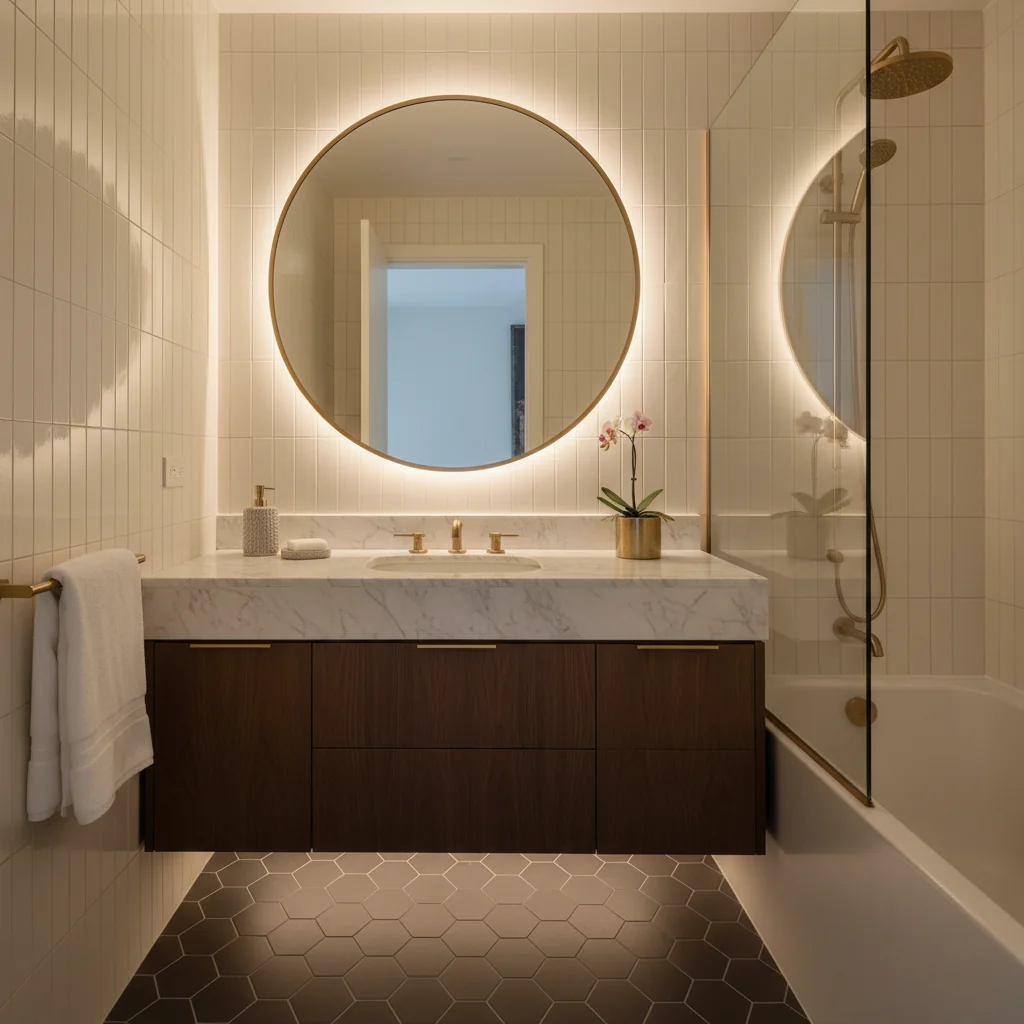
Consider the emergence of smart mirrors. Beyond offering crisp reflections, many now incorporate hidden storage compartments, subtly concealing medications or precious jewelry behind an unassuming surface. Others feature anti-fog technology, eliminating the frustrating post-shower haze, or even integrated lighting that simulates different ambient conditions, perfect for applying makeup. Motion-sensor lighting within cabinets or drawers is another small, yet significant, upgrade. A gentle glow illuminating the contents as you open a drawer eliminates fumbling in dim light, particularly during those early morning routines. Heated towel racks, once a luxury, are becoming more mainstream. The comforting warmth of a towel on a brisk morning is undeniable, but beyond indulgence, they also contribute to drying towels faster, reducing mildew growth and the frequency of laundry cycles. These are the kinds of thoughtful integrations that streamline daily life without screaming for attention.
Sustainability in the bathroom extends beyond efficient fixtures; it’s deeply woven into our storage and consumption habits. My background includes spearheading the "Clever Living" column for *Domicile & Design*, where we often explored how smart tech could align with eco-conscious practices. This means moving away from single-use plastics wherever possible. Investing in refillable glass or ceramic soap dispensers, shampoo bottles, and lotion containers not only reduces waste but also introduces a cohesive aesthetic to your countertop. Bulk buying concentrates and refilling smaller, permanent bottles is another practical step. When choosing storage solutions, opt for materials that are sustainably sourced, like bamboo, recycled glass, or reclaimed wood. The texture of a natural bamboo bath caddy or the cool, smooth feel of recycled glass jars can add an organic, calming element to the space.
Finally, an intentional approach to what we bring into our bathrooms is perhaps the most sustainable practice of all. Less clutter means less to store, less to clean, and less waste overall. Every new item should pass a rigorous test: Is it truly needed? Does it serve a genuine purpose? Does it bring joy? This discerning approach, which I also apply to broader living spaces – for instance, when advising on Maximizing Small Living Rooms: 7 Layout Strategies for Comfort and Flow – ensures that your bathroom remains a sanctuary of calm, not a repository of excess.
Your Bathroom, Reimagined: A Sanctuary of Purpose
The journey to maximizing your bathroom storage is not merely about finding more places to put things; it's about curating a space that genuinely supports your daily rituals, minimizes friction, and offers a quiet sense of control. From meticulously organized vanity drawers that glide open with a whisper, revealing perfectly sorted toiletries, to the serene presence of carefully folded linens on an open shelf, every detail contributes to a larger symphony of calm efficiency. It's the tactile pleasure of smooth ceramic, the soft rustle of a fresh towel, the visual relief of clear surfaces, and the knowledge that everything you need is precisely where it should be.
This is the essence of functional design: transforming a utilitarian necessity into a haven of refined order and personal style. It proves that intelligent design, achieved through a blend of pragmatic strategies, smart product choices, and an unwavering commitment to thoughtful organization, is indeed accessible to all. When your bathroom functions effortlessly, it ceases to be a source of stress and instead becomes a quiet, personal retreat. It becomes a space that truly reflects a life lived with intention.
SCORE: 9.2/10
Key Facts
| Average Bathroom Size (USA) | 40-50 sq ft |
| Common Items Stored | 20-30 unique toiletry and personal care items |
| Organization Impact on Time | Up to 15 minutes saved daily in morning routines |
| Cost of Decluttering/Organizing | Minimal, often utilizing existing space and budget-friendly solutions |
| Preferred Storage Materials | Bamboo, Acrylic, Glass, Stainless Steel (for durability) |
| Impact on Home Value | Well-organized spaces perceived as larger and more appealing |
| Water Conservation Potential | Refillable dispensers reduce plastic waste by up to 70% |