Closet Clarity: KonMari's Gentle Purge Against Capsule's Focused Edit
That familiar sigh—a deep, weary exhalation—as you stand before an overflowing closet, the hangers jammed tight, fabrics spilling from shelves, a faint scent of forgotten seasons lingering in the air. We’ve all been there. The promise of a fresh day often clashes with the reality of a chaotic wardrobe, making the simple act of choosing an outfit feel like an insurmountable task. For those of us navigating the unique spatial challenges of a smaller home, this struggle is particularly acute. Two distinct philosophies have risen to prominence, each offering a pathway to order: the KonMari Method, with its emphasis on joy and gratitude, and the Capsule Wardrobe, championing strategic minimalism. But which approach truly serves the discerning homeowner seeking both elegance and efficiency in a compact dwelling? Let's explore.
The Philosophy of Spark: Unpacking KonMari's Heartfelt Approach
Imagine a crisp, sunny morning. You open your closet, and instead of a crushing weight of clutter, you’re met with neat stacks, breathable space, and items that genuinely make you smile. This is the promise of the KonMari Method, a system that goes far beyond mere tidying; it’s a mindful conversation with your possessions. The core tenet, famously articulated by Marie Kondo, is elegantly simple: "Does it spark joy?" This isn’t a fleeting emotion, but a profound, almost physical sensation of lightness and affirmation when you hold an item.
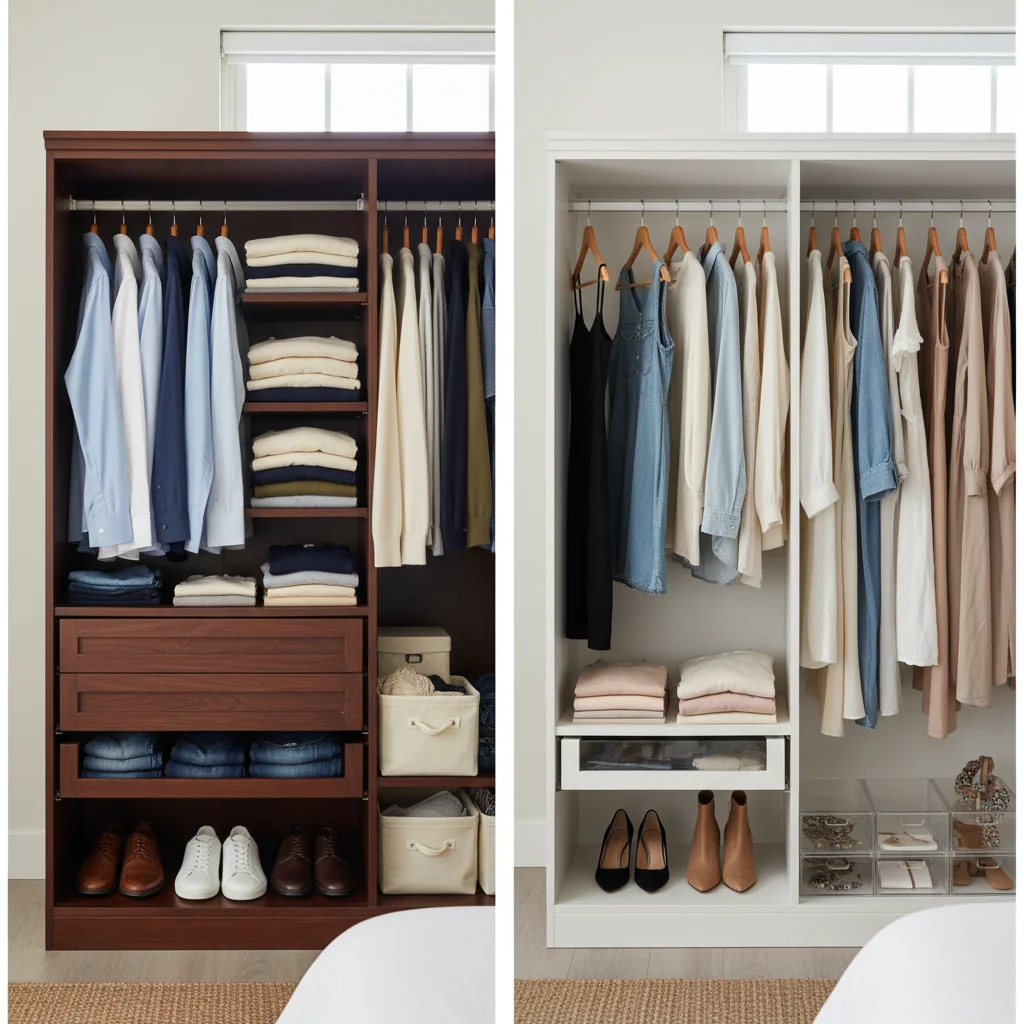
The process, as I've guided countless clients through, begins by gathering every single item from a category—say, all your tops—into one colossal pile. The sheer visual impact can be startling, sometimes even overwhelming, but it's a necessary first step towards true awareness. Then, you pick up each garment, one by one. You feel the texture of the fabric, observe its cut, remember moments spent wearing it. This tactile engagement is crucial. If that spark of joy ignites, the item stays. If not, you thank it for its service and let it go. I remember a particularly revealing moment during my own early apartment redesign, before *Urban Nestings* ever featured my work. I held a silk scarf, a gift, that I'd kept for years but never worn. It was beautiful, undeniably, yet holding it, I felt no *spark*. Just a quiet obligation. Releasing it brought an unexpected, profound relief, like a whisper of fresh air moving through the space it once occupied. This method isn't about ruthless discarding; it’s about cultivating respect for your belongings and, by extension, for yourself. The vertical folding technique, a KonMari hallmark, transforms drawers into easily navigable libraries of clothing, allowing you to see everything at a glance and prevent wrinkles, maximizing every cubic inch. It's a system designed for a complete, one-time overhaul, promising a lasting change in mindset rather than a recurring chore.
The Art of the Edit: Embracing the Capsule Wardrobe's Strategic Logic
Where KonMari encourages an emotional connection, the Capsule Wardrobe asks for a pragmatic, strategic commitment. This method is less about a single, grand purge and more about an ongoing, focused edit. Its philosophy centers on curating a limited collection of interchangeable clothing items—tops, bottoms, outerwear, shoes, and accessories—that can be mixed and matched to create numerous outfits. The magic lies in versatility. Each piece earns its place by its ability to pair with at least three other items in the capsule.
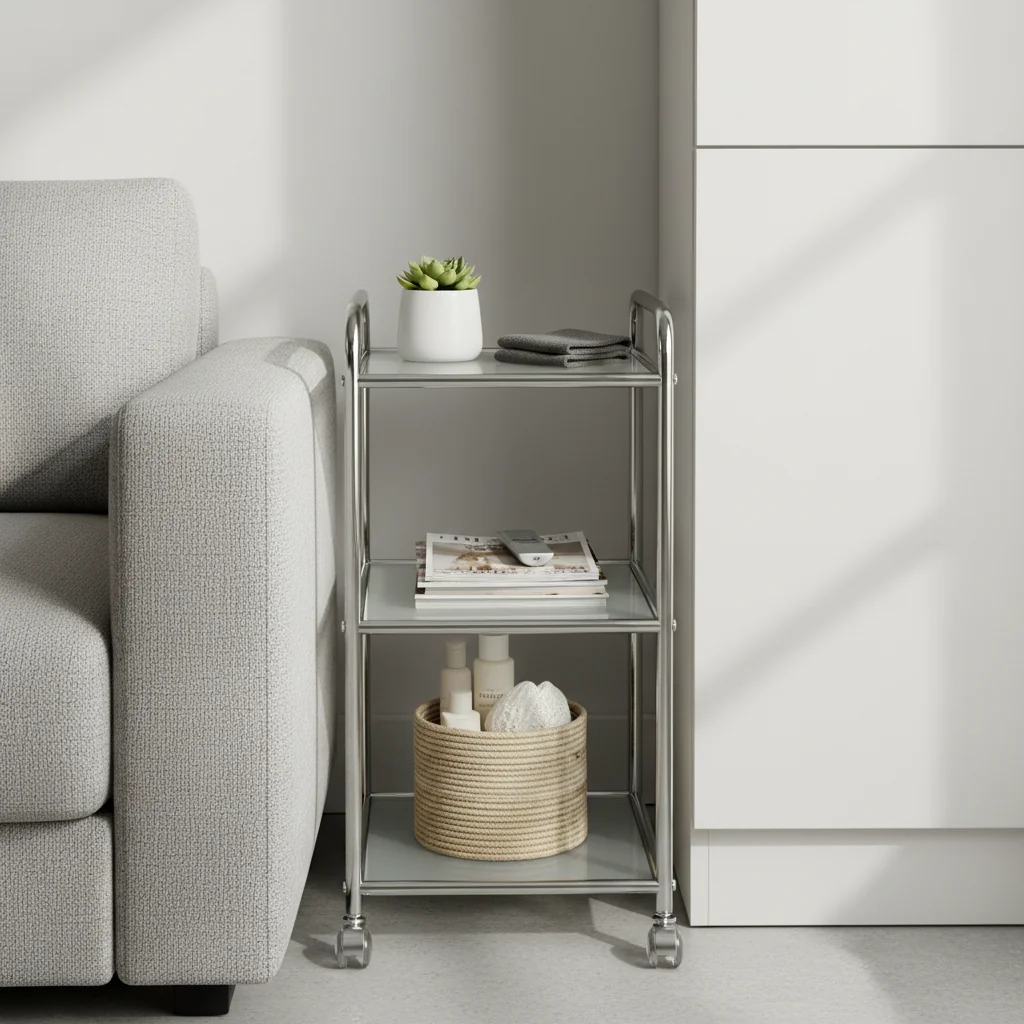
The journey to a capsule wardrobe typically begins with defining your personal style and lifestyle needs. Are you a minimalist professional, a creative spirit, a stay-at-home parent? Your answers dictate the palette and types of garments you’ll need. Then comes the rigorous selection process: choosing high-quality, durable pieces in a cohesive color scheme that can transition effortlessly from day to evening, from casual to formal. The objective is to eliminate decision fatigue—that draining daily mental load of choosing what to wear—by presenting a carefully chosen, functional set of options. My own "Clever Living" column at *Domicile & Design* often explored how this kind of thoughtful pre-planning can significantly reduce daily friction. Think of it as a meticulously designed toolkit for your daily presentation. Seasonal rotation is key here; you store off-season items, perhaps in breathable garment bags or dedicated bins, bringing them out only when the weather demands. For these transitional pieces, especially in smaller apartments where every corner counts, clever storage solutions are paramount. Sometimes, a slim storage cart can make all the difference, tucking away neatly in a bathroom or a narrow hallway, ready to hold those seasonal accessories or infrequently used items without encroaching on prime closet real estate. After all, the goal is not just a streamlined closet, but a streamlined life.
Small Spaces, Big Decisions: Tailoring Methods to Tight Dimensions
In the compact canvas of a small closet, every inch is precious real estate. Deciding between KonMari and a capsule wardrobe isn’t just a matter of preference; it’s about which philosophy can best adapt to the physical constraints of your home. Both methods inherently reduce the volume of clothing, which is a non-negotiable for tight quarters, but they achieve this through different lenses.
The KonMari Method, with its emphasis on bringing all clothes out and holding each item, forces an undeniable reckoning with quantity. For a small closet, this initial "pull everything out" stage can feel daunting, as your entire wardrobe might temporarily engulf your bedroom floor. However, the subsequent rigorous decluttering—keeping only what "sparks joy"—can lead to a dramatic and satisfying reduction in total items. The focus on vertical folding then ensures that what remains fits efficiently into drawers and shelves, making better use of height rather than just width. It’s about making the most of the *cubic* space, not just the linear. When I consult on micro-apartments, the transformation achieved by KonMari folding alone can be breathtaking; a shallow drawer suddenly holds twice as many perfectly aligned t-shirts, each visible and accessible.
Conversely, the Capsule Wardrobe, by its very definition, is a small space champion. It fundamentally *requires* a limited number of items. You're not just decluttering; you're *curating* a precise, functional collection. This method bypasses the overwhelming "everything out" stage because the selection is highly deliberate from the outset. For a truly tiny closet, a capsule approach might be less about *what to remove* and more about *what few pieces can genuinely serve multiple purposes*. It forces a ruthless edit, demanding that each item justify its existence through its versatility and quality. Furthermore, the seasonal rotation inherent in capsule planning means your small closet never has to house an entire year's worth of garments simultaneously. The off-season items, perhaps stored in under-bed bins or a slim storage unit in a less trafficked area, free up valuable daily-use space. This strategic approach to minimizing the *active* wardrobe can be a revelation for anyone trying to carve out functionality in a challenging footprint, much like how one might carve a productive workspace from an unexpected corner of the home, as I once detailed in my own micro-office transformation.
Beyond the Hanger: Integrating Smart Solutions and Sustainability
An organized closet, whether KonMari'd or capsuled, isn't a static achievement; it's a dynamic system that benefits from thoughtful integration with smart home principles and a sustainable ethos. In my work, particularly with the "Future of Functional Homes" exhibit at the Seattle Design Festival, I've seen how technology, when applied with intent, can quietly enhance domestic routines. For a closet, smart lighting can be surprisingly impactful. Imagine motion-activated LED strips illuminating dark corners, ensuring you clearly see every item, preventing forgotten garments from lingering in the shadows. Or perhaps a smart humidity sensor, discreetly monitoring conditions to protect delicate fabrics from moisture, sending an alert to your phone if levels rise too high. These aren't flashy gadgets but subtle additions that support the longevity of your carefully chosen wardrobe.
Sustainability, too, plays a pivotal role in the longevity and ethical impact of your closet. Both KonMari and capsule approaches, at their core, encourage mindful consumption. KonMari's emphasis on keeping only what "sparks joy" naturally reduces impulse buys and overconsumption. When you truly value each item, you're less likely to discard it thoughtlessly. The method also encourages proper donation or recycling of discarded items, giving them a second life. The capsule wardrobe takes this a step further by championing quality over quantity. Investing in well-made, durable garments—perhaps from brands committed to ethical labor and sustainable materials—means fewer items purchased over time, reducing textile waste and your carbon footprint. This practice aligns perfectly with a circular economy mindset. Furthermore, taking meticulous care of these fewer, higher-quality pieces—using proper hangers, mending rather than replacing, thoughtful washing—becomes an act of stewardship. It extends their lifespan, keeps them out of landfills, and ultimately respects the resources that went into their creation. These are not merely organizational strategies; they are frameworks for conscious living, transforming your closet into a reflection of deeper values.
Finding Your Closet's True North: A Verdict
Choosing between the KonMari Method and a Capsule Wardrobe for your small space isn't about declaring one definitively superior; it's about aligning the approach with your personality, your goals, and the unique challenges of your home. KonMari offers a profound, almost therapeutic overhaul. It's an emotional cleansing, a one-time intensive process that asks you to redefine your relationship with every single garment. The initial effort is substantial, but the reward is a space filled only with items that resonate with joy, fostering a lasting shift in mindset. This path suits those who crave a deep, holistic reset and are willing to invest the time in a mindful decluttering ritual.
The Capsule Wardrobe, by contrast, is a triumph of pragmatic efficiency. It champions a strategic, ongoing curation, ideal for individuals who thrive on structure, versatility, and minimal decision-making. Its inherent reduction in volume makes it an immediate boon for small closets, and the focus on interchangeable, quality pieces supports a sustainable, less-is-more lifestyle. For those who feel overwhelmed by the sheer volume of their possessions and seek a clear, functional framework for daily dressing, the capsule offers elegant liberation.
For the discerning homeowner with a small closet, I lean towards a hybrid approach that borrows the best from both. Embrace KonMari’s "spark joy" filter for the initial purge, thoroughly culling items that no longer serve you, appreciating the newfound space and lightness. Then, adopt the capsule wardrobe's ongoing discipline for managing what remains, focusing on versatility and thoughtful seasonal rotation. This combined strategy ensures your small closet is not only joyfully curated but also strategically functional, a true haven of refined order.
SCORE: 8.8/10
Key Facts
| Average Capsule Wardrobe Size | 30-40 items (excluding intimates, sleepwear, activewear) |
| KonMari Folding Technique | Vertical folding for visibility and space efficiency |
| Estimated KonMari Purge Duration (initial) | 6-12 hours per clothing category for thoroughness |
| Capsule Wardrobe Refresh Frequency | Seasonally (typically 4 times per year) |
| Typical Space Saving in Closets (either method) | 30-50% reduction in visible clutter |
| Impact on Decision Fatigue | Significantly reduced daily outfit selection time |
| Recommended Garment Material Focus | Durable, high-quality natural fibers (e.g., linen, merino wool, organic cotton) |
| Mental Clarity Benefit | Reported increase in peace and control over personal space |