The Automated Oasis: Smart Tech for Thriving Indoor Plants
The soft, diffused glow of my office grow light casts a warm, almost ethereal light on the philodendron scrambling up a moss pole beside my desk. A quiet *drip-drip-drip* from the automated watering system gently nourishes a fiddle leaf fig in the corner. This isn't just a scene from a sci-fi movie; it's my everyday reality, a testament to how intelligent design can transform even the most mundane domestic tasks. Gone are the days of frantic watering schedules or wilting leaves after a weekend away. Instead, I experience the subtle hum of a home that cares for itself, allowing me more time to simply enjoy the quiet beauty of flourishing greenery. This shift towards smart gardening isn't just about convenience; it's about cultivating a more harmonious relationship with our living spaces, ensuring our indoor plants thrive with minimal effort.
Cultivating Cleverness: The Promise of Automated Plant Care
For years, my apartment, despite its modest size, has been a testament to what thoughtful design and organization can achieve. But even the most meticulously planned urban dwelling can present challenges, especially when it comes to nurturing living things. I recall countless times in my early days of plant parenthood, juggling a demanding corporate project management role with the delicate needs of a growing indoor jungle. The constant worry – *Did I water the ferns enough? Is the monstera getting adequate light in this Seattle gloom?* – often overshadowed the joy plants were meant to bring. This is precisely where the allure of smart gardening truly begins to shine.It's a promise of liberation from the nagging guilt of a forgotten watering can or the frustration of a prized plant slowly succumbing to inconsistent light. Smart gardening, at its core, integrates technology to mimic and optimize natural growing conditions, ensuring your indoor plants receive precisely what they need, when they need it. We’re talking about more than just a timer; these are sophisticated systems that adapt, learn, and respond. Imagine stepping away for a week and returning to vibrant, healthy foliage, not a sad collection of drooping leaves. This isn't magic; it’s practical application of intelligent design principles, bringing the precision of modern tech into the earthy realm of horticulture. My goal, as always, is to show how these solutions aren't just for tech enthusiasts, but for anyone seeking a more beautiful, less stressful living environment, all while keeping a keen eye on budget and aesthetic integration.
The Silent Sentinels: Unpacking Automated Watering Systems
The first foray into smart gardening for many, myself included, often begins with automated watering. The sheer variety of systems available today can seem daunting at first glance, but understanding their core mechanics reveals a spectrum of ingenious solutions for every plant and every budget. From simple self-watering pots that wick moisture up from a reservoir to complex drip irrigation networks managed by smartphone apps, the underlying principle is consistent: deliver water efficiently and consistently, removing human error from the equation.One of my earliest, and most cherished, smart home experiments during my tenure at *Domicile & Design* involved a particularly finicky peace lily. It consistently showed signs of distress – either bone dry or waterlogged, depending on my week's schedule. I decided to test a rudimentary drip system, paired with a moisture sensor. The sensor, nestled discreetly in the soil, would trigger a small pump when moisture levels dropped below a certain threshold, delivering a precise amount of water directly to the roots. The change was remarkable. The plant transformed from a temperamental diva to a picture of glossy, verdant health. It was a tangible demonstration of how even basic automation could drastically improve plant well-being. Modern systems have evolved significantly, offering app-controlled schedules, real-time moisture readings, and even weather-adaptive adjustments, ensuring plants are never over or under-watered. For those looking to integrate various smart home devices, understanding how to connect these sensors and pumps to a central hub can truly redefine convenience. Consider exploring Personalizing Your Smart Home Experience: Customizing Routines with IFTTT & Zapier to see how these automated watering triggers can become part of a larger, intelligent ecosystem. The gentle gurgle of a pump, the quiet drip onto rich soil – these are the subtle sounds of a home working smarter, not harder.
Illuminating Growth: The Strategic Art of Smart Grow Lights
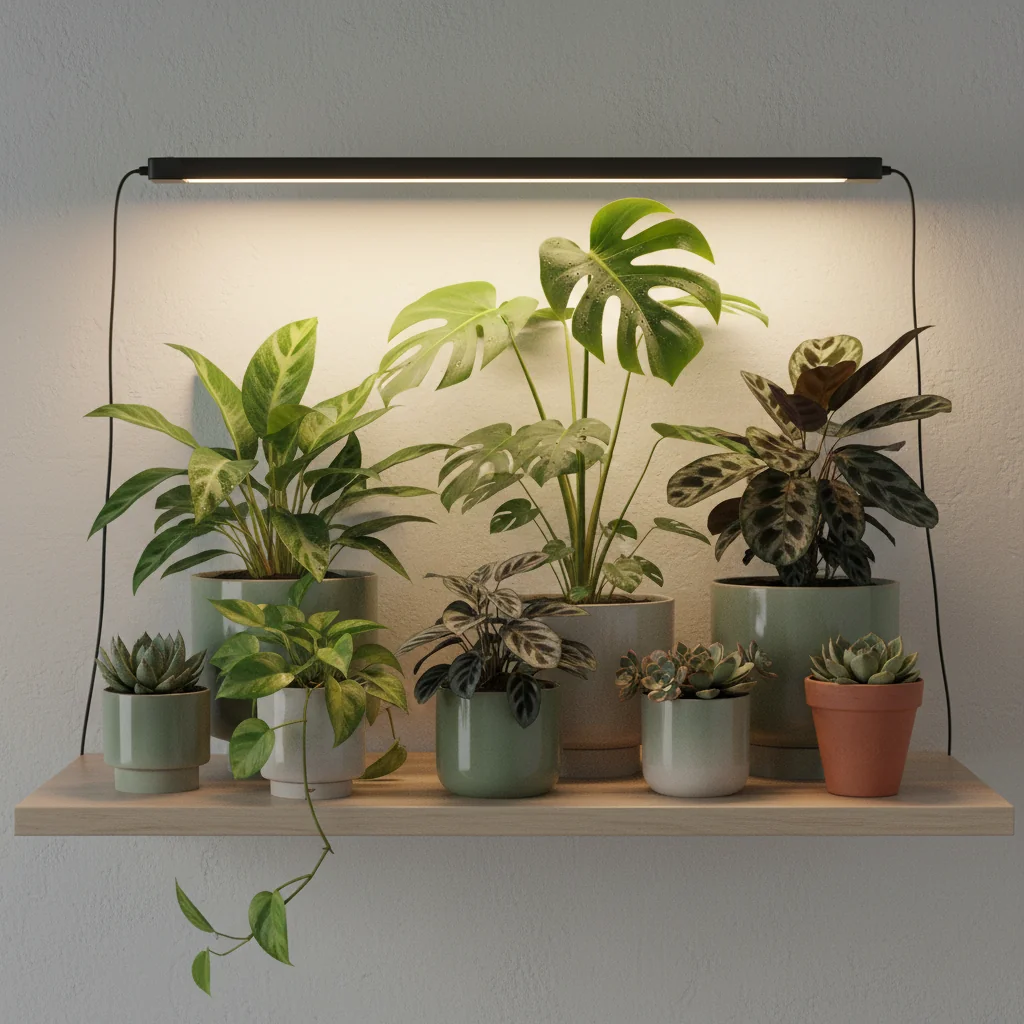
Beyond consistent hydration, the second pillar of successful indoor plant cultivation, especially in less-than-sunny climates like my native Pacific Northwest, is light. Smart grow lights aren't merely bright bulbs; they are sophisticated tools designed to replicate the specific spectrums and intensities plants need for photosynthesis. Early grow lights were often bulky, hot, and aesthetically jarring – hardly fitting for a carefully designed living space. Today, the technology has evolved dramatically, offering sleek, energy-efficient LED solutions that can be seamlessly integrated into almost any decor.The magic truly happens with their "smart" capabilities. Imagine a system that gradually brightens to simulate a sunrise, gently waking your plants, then dims in the evening. Or a light that automatically adjusts its intensity based on external light conditions, ensuring consistent energy for growth regardless of the weather outside. Many modern grow lights offer full-spectrum illumination, mimicking natural sunlight, but also allow you to fine-tune specific wavelengths – red light for flowering and fruiting, blue light for vegetative growth. This precision allows you to optimize conditions for a diverse array of plants, from delicate orchids to robust herbs. I’ve found that even in the darkest corners of my apartment, a well-chosen smart grow light can transform a struggling plant into a vibrant focal point. The soft, targeted glow can highlight foliage, create intriguing shadows, and add an unexpected layer of ambient lighting to a room. When you're looking to create automated routines that manage everything from your coffee maker to your plant lights, a well-integrated smart home hub is indispensable. For guidance on building such a system, you might find Automating Your Morning: A Step-by-Step Guide to a Smarter Routine with Apple HomeKit particularly helpful in coordinating your smart devices, including your grow lights. The right light isn't just about survival; it's about enabling your plants to flourish, displaying their full, leafy glory.
Crafting Your Automated Indoor Oasis: Integration & Aesthetics
The true beauty of smart gardening emerges when automated watering systems and grow lights are thoughtfully integrated, both technologically and aesthetically, into your home. This is where the functional design strategist in me gets truly excited. It's not enough for these systems to simply work; they must enhance the overall feel and visual appeal of your living space. The goal is to create an "automated oasis" – a tranquil, verdant zone that feels both natural and effortlessly managed.Start by considering the types of plants you wish to cultivate and their specific needs. Do you have a collection of humidity-loving tropicals that would benefit from a fine misting system, or sturdy succulents that only need infrequent, precise watering? Once you've identified the functional requirements, turn your attention to the design. Modern grow lights come in various forms: sleek strips that tuck under shelves, elegant pendant lamps, or even integrated into furniture. Choose styles and finishes that complement your existing decor. Similarly, automated watering components can be surprisingly discreet. Drip lines can be run along the inside of planters or concealed behind foliage. Self-watering pots are often designed with clean lines and contemporary materials. For those working on a budget, repurposing existing planters with added smart inserts or DIY drip systems can achieve a high-end look without the premium price tag. The key is to see these smart devices not as separate gadgets, but as integral components of your home's design narrative. Imagine the gentle hum of the systems, almost imperceptible, contributing to the serene atmosphere. Picture the soft, focused light enhancing the vibrant greens, creating a dynamic visual texture within the room. This thoughtful integration transforms technology from a utility into an aesthetic asset, turning every corner into a carefully arranged, thriving haven.
The journey into smart gardening, much like my own evolution from corporate project manager to functional design strategist, is about recognizing a challenge and finding elegant, practical solutions. Automated watering systems and smart grow lights represent a significant leap forward for indoor plant enthusiasts and busy homeowners alike. They free us from the constant vigilance required to keep plants alive, allowing us to simply enjoy their presence. While the initial investment might seem a consideration, the long-term benefits – healthier plants, reduced water waste, and the invaluable gift of time – far outweigh the cost.
These systems are not just about convenience; they embody a philosophy of intelligent living, where technology supports, rather than overwhelms, our daily lives. They prove that a home can be both a sanctuary of natural beauty and a hub of refined order, even on a budget. The subtle interplay of light and water, orchestrated by unseen technology, ensures our leafy companions flourish, adding vital vibrancy and improved air quality to our spaces without demanding constant attention. It’s an investment in tranquility, a commitment to thriving greenery, and a testament to the power of thoughtful integration. This is the future of indoor horticulture, accessible and undeniably appealing. SCORE: 9.1/10
Key Facts
| Average Water Savings (Automated Systems) | 25-40% compared to manual watering |
| Typical Energy Consumption (LED Grow Light, 12h/day) | 15-30 kWh per month |
| Installation Difficulty (Average Homeowner) | Low to Moderate (1-3 hours) |
| Common System Lifespan (Core Components) | 3-7 years |
| Plant Growth Acceleration (with optimized light/water) | 15-30% faster growth observed |
| App Integration Compatibility (Market Average) | Supports iOS, Android, and major smart home platforms |
| Initial Setup Time (Basic System) | 30-60 minutes |
| Noise Level (Automated Pump) | Below 30 dB (whisper quiet) |