Vintage Lighting: Hunting, Restoring, & Illuminating Your Home Safely
The air in an old antique shop often holds a particular scent—a subtle blend of polished wood, forgotten paper, and faint dust motes dancing in shafts of sunlight. It’s a scent that promises stories, whispers of lives lived, and the potential for discovery. Among the forgotten curios and timeworn furniture, my eyes invariably gravitate upward, drawn to the intricate silhouettes of chandeliers or the understated charm of an old sconce. There's an undeniable magic in vintage lighting; it possesses a character and history that modern pieces simply can't replicate. Finding these unique fixtures and breathing new, safe life into them isn't just a design choice; it's a mindful act of preservation, a way to infuse your home with soul and sustainable elegance.
Where the Past's Radiance Awaits: Hunting for Your Perfect Vintage Piece
The quest for a truly unique vintage light fixture begins with knowing where to look and, perhaps more importantly, cultivating a discerning eye. Forget the sterile showrooms; the real treasures hide in plain sight, waiting for someone to recognize their latent brilliance. My own journey often leads me to places brimming with history, where every item tells a silent tale.
**Antique Shops & Flea Markets:** These are the most obvious, yet often the most rewarding, hunting grounds. The tactile experience of sifting through a crowded stall, feeling the weight of aged brass or the cool glass of a forgotten shade, is unparalleled. In Seattle, I've spent countless weekends at the Fremont Market, particularly the outdoor sections, where the early morning light catches the sparkle of crystal pendants or the gleam of an enamel industrial lamp. You'll find everything from delicate Art Deco sconces to robust mid-century modern pendants, often nestled amongst less glamorous items. The key here is patience and a willingness to engage with vendors, who can sometimes share insights into a piece's origin. Don't be afraid to haggle gently; it's part of the dance.
**Estate Sales & Auctions:** These venues offer a more curated, albeit often faster-paced, experience. Walking through an old home during an estate sale feels like stepping back in time, and you're not just buying an object, but a piece of that specific home's narrative. Keep an eye on local listings and arrive early for the best selection. Auctions, both live and online, can yield significant finds, but require a bit more research to understand fair market value and the auction house's terms. Remember, an auction bid is a commitment, so inspect photos or attend previews thoroughly.
**Architectural Salvage Yards:** For those seeking larger, more dramatic pieces—think grand chandeliers from demolished theaters or industrial pendants from old factories—architectural salvage yards are an untapped goldmine. These sprawling repositories are often dusty and disorganized, demanding a willingness to explore, but the payoff can be monumental. Here, you'll find substantial fixtures, often with incredible provenance, that can become the focal point of an entire room. The sheer scale and variety of what you might unearth is breathtaking.
**Online Marketplaces & Specialty Dealers:** While lacking the sensory immersion of physical hunting, platforms like eBay, Etsy, and dedicated vintage lighting websites connect you with sellers worldwide. Filter your searches carefully, examine all photos, and don't hesitate to ask for more details or pictures of specific areas, especially the wiring. For high-end or rare pieces, reputable online vintage lighting dealers often provide restored, rewired fixtures, offering convenience at a higher price point. Always verify seller reviews and return policies before committing. The thrill of the chase, whether online or in person, is about connecting with a piece that resonates, a spark of history waiting to illuminate your modern abode.
Assessing Potential & Prioritizing Safety in Your Vintage Find
The moment you spot that perfect vintage fixture—the one that makes your breath catch and your design brain hum—a wave of excitement is natural. But before you open your wallet, it’s crucial to shift into a more pragmatic mindset. A beautiful fixture is only truly brilliant if it's safe. My years spent dissecting the mechanics of project management, combined with an enduring appreciation for sensible design, taught me that aesthetics can never override safety, especially concerning electricity. This is where your diligent vintage lighting restoration guide truly begins.
**The Initial Visual Inspection:** Start with a thorough external check. Look for cracks, chips, or major damage to glass, ceramic, or metal components. Is the metal tarnished, or is it heavily corroded? Tarnishing can often be polished away, revealing a rich patina, but deep corrosion might indicate structural weakness. Gently test moving parts, like shades or arms, for stability. Are all the original decorative elements present, or are there obvious missing pieces? Replacement parts can be notoriously difficult, or expensive, to source. Don't overlook the small details; a missing finial or a bent shade holder can sometimes be a dealbreaker if you're aiming for historical accuracy.
**Examining the Wiring – Your Top Priority:** This is the most critical step. Old wiring, especially from fixtures pre-1950s, often consists of cloth-covered rubber insulation, which becomes brittle and cracked over time. This exposes bare wires, creating a significant fire hazard. Look for frayed wires, exposed copper, brittle insulation, or any signs of previous, amateurish repairs (think electrical tape wrapped haphazardly). If the fixture still has its original plug, inspect it closely for damage. Any indication of compromised wiring should immediately flag the fixture as needing a complete professional rewire. For a more detailed look at tackling complex home projects, you might find our guide on The Best IKEA Hacks for Small Bedrooms: Storage Beds, Wardrobe Built-Ins, and More helpful in understanding the level of detail required for a safe DIY.
**Socket & Switch Condition:** Check the light bulb sockets. Are they ceramic, brass, or plastic? Do they show signs of charring or corrosion? Screw in a known-good light bulb (if possible) to test the threads. Switches, if integrated into the fixture, should operate smoothly and audibly "click" into place. A loose, sticky, or broken switch means another repair or replacement is in order.
**Structural Integrity:** Hold the fixture by its hanging point. Does it feel solid? Are the connections between arms, base, and shade secure? For chandeliers, check the integrity of the chain and canopy. For sconces, assess the mounting plate. Any wobbling or loose joints will need addressing during restoration. Remember, this fixture will be suspended, potentially over a living space, so its structural soundness is non-negotiable.
**The "Sniff Test":** This might sound unusual, but trust your nose. A distinct burnt odor, even faint, can indicate past electrical overheating. This is a red flag. A general mustiness is common with old items, but anything acrid suggests a deeper problem. Ultimately, buying a vintage fixture is an investment in your home's character, but never at the expense of its safety. If the wiring looks questionable, budget for a professional rewiring. It's not an optional step; it's essential.
The Art of Restoration: DIY Touches Versus Professional Expertise
Once you've brought that enchanting vintage piece home, the real work begins. The restoration process can be deeply satisfying, transforming a dusty relic into a sparkling focal point. However, it’s crucial to understand when your DIY skills are sufficient and when to call in a specialist. My own apartment, which became my first real design laboratory, is filled with small pieces I’ve lovingly brought back to life, but I’ve also learned to respect the intricate world of electrical work.
**Cleaning and Surface Revival (DIY Friendly):** Most vintage fixtures will benefit immensely from a thorough cleaning. For metal components, start with a gentle wipe-down to remove loose dust and grime. For brass, bronze, or copper, a mild soap and water solution followed by a specialized metal polish can reveal a stunning original luster. I remember a particularly stubborn 1930s brass desk lamp I found at an estate sale in Bellevue. Its base was completely obscured by years of tarnish. After several careful applications of polish and a lot of elbow grease, its warm, golden glow emerged, illuminating my study with a soft, inviting light. This process, while time-consuming, is incredibly rewarding. For glass shades or crystal prisms, warm soapy water and a soft cloth are usually sufficient. For intricate details, cotton swabs can reach into tight crevices. Always test cleaning solutions on an inconspicuous area first. Avoid harsh abrasives or chemicals that could damage original finishes or delicate materials.
**Minor Repairs and Component Replacement (Intermediate DIY):** This level of restoration includes tasks like replacing a broken pull chain, tightening loose screws, or substituting a missing finial. Many hardware stores carry standard lamp parts like sockets, cords, and switches that can be fitted to older fixtures. Ensure any replacement components match the voltage and wattage requirements of your fixture. When replacing a socket, pay close attention to how the existing wires are connected, making sure to replicate the positive and negative connections accurately. For more complex aesthetic repairs, such as repairing a small chip in a ceramic base or re-gluing a decorative element, specialized adhesives and fillers can be employed. This is where a steady hand and a good eye for detail truly pay off.
**Rewiring – When to Call a Pro (Mandatory Professional Help for Most):** This is the single most important decision in vintage lighting restoration. If the existing wiring is brittle, frayed, cracked, or shows any signs of overheating or amateur repair, it *must* be replaced. While you can purchase rewiring kits, the process involves understanding electrical principles, proper insulation, and secure connections. A single mistake could lead to a short circuit, fire, or electric shock. For most homeowners, this is a job for a qualified electrician or a vintage lighting restoration specialist. These professionals have the tools, knowledge, and experience to safely remove old wiring, install new, compliant wiring, and ensure the fixture meets modern electrical codes. They can also often source period-appropriate cloth-covered wire if authenticity is paramount. The peace of mind that comes with a professionally rewired fixture is invaluable. Remember, the true beauty of a vintage piece is its safe, functional illumination.
Integrating Timeless Glow: Vintage Lighting in Modern Abodes
Bringing a vintage light fixture into a contemporary home is more than just adding a source of illumination; it's about introducing a piece of history, a conversation starter, and an unexpected layer of texture and warmth. It's a testament to the idea that thoughtful design isn't about adhering to a single style, but about creating harmony through contrast. The pragmatic approach I champion prioritizes livability, and integrating vintage finds ensures a home feels personal, not just perfectly decorated.
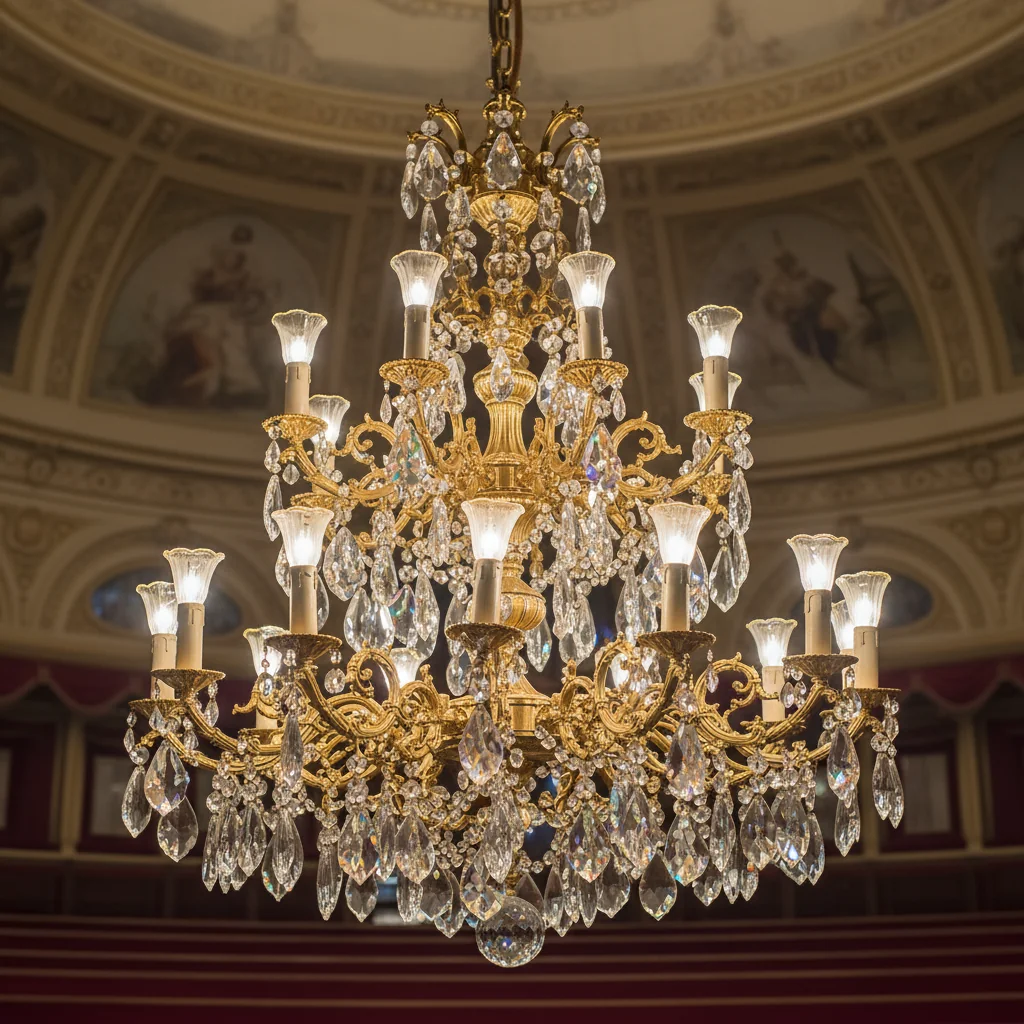
**The Power of Contrast:** One of the most effective ways to showcase a vintage fixture is by placing it in a room with decidedly modern aesthetics. Imagine a sleek, minimalist dining room anchored by an ornate 1920s crystal chandelier. The juxtaposition creates visual interest and prevents the space from feeling cold or sterile. Similarly, an industrial-era factory pendant can add a surprising edge to a light and airy Scandinavian-inspired living room. The key is to let the vintage piece truly shine, allowing its unique form and history to speak volumes against a simpler backdrop. This isn't about making a room feel old; it's about giving it depth.
**Creating Focal Points:** A well-chosen vintage light fixture can instantly become the focal point of a room. Consider a large, sculptural mid-century modern chandelier hanging low over a coffee table, drawing the eye and inviting closer inspection. Or perhaps a pair of Art Deco sconces flanking a cherished piece of art, casting a soft, theatrical glow. When using vintage pieces as focal points, ensure their scale is appropriate for the room. A too-small fixture will get lost, while an oversized one can overwhelm the space. Take measurements, consider ceiling height, and even use painter's tape to map out the fixture's footprint before installation.
**Layering Light and Mood:** Beyond their aesthetic appeal, vintage fixtures are adept at helping you layer light, which is fundamental to creating a functional and inviting atmosphere. A restored table lamp with a soft glow can provide ambient light in a cozy reading nook, while a repurposed vintage spotlight might highlight a plant collection. Combine these with recessed lighting or modern task lamps to achieve a versatile lighting scheme that can be adapted for any activity or mood. The warm, often diffused light of older fixtures can create an instant sense of comfort and intimacy.
**Sustainable Style and Personal Narrative:** Opting for vintage lighting is also a powerful statement about sustainable living. You're giving a second life to an object, reducing waste, and contributing to a circular economy. Each restored piece carries its own unique story, which in turn becomes part of your home’s narrative. My work with *Domicile & Design*'s "Clever Living" column often explored how smart tech integration could coexist with sustainable practices. A professionally rewired vintage fixture, paired with a smart bulb, offers the best of both worlds: timeless appeal and modern convenience, controllable via your phone, dimmable to perfection. This blend of old and new is not just practical; it's profoundly personal, shaping a home that truly reflects your values and style. Thinking about how these elements come together is similar to crafting a tailored look for your windows, as we explored in DIY Custom Curtains: Sewing Your Own Drapes for a Tailored Look. It's about precision, personality, and creating a space that feels utterly unique to you.
The allure of vintage lighting fixtures goes far beyond mere aesthetics; it’s an invitation to connect with history, embrace sustainable practices, and infuse your home with an unparalleled sense of character. From the dusty corners of antique shops to the curated displays of online dealers, the hunt itself is part of the joy, a thrilling pursuit of that singular piece waiting to tell its story in your space. But remember, the true brilliance of these treasures emerges only when their potential is safely realized. A meticulous inspection of wiring and structure, a discerning eye for repair, and a commitment to professional rewiring when necessary are not just steps in a process; they are essential acts of care. When safely restored and thoughtfully integrated, a vintage fixture ceases to be just an old lamp; it becomes a beacon, casting a warm, unique glow that transforms a room into a deeply personal sanctuary. This isn't just about illuminating a space; it's about illuminating a life, responsibly and beautifully. SCORE: 9.2/10
Key Facts
| Average Rewiring Cost (Professional) | $75 - $250 per fixture (excluding parts) |
| Common Vintage Wiring Type | Cloth-covered rubber insulation (pre-1950s) |
| Lifespan of Original Wiring | Often less than 50 years, prone to brittleness |
| Most Sought-After Eras | Art Deco, Mid-Century Modern, Victorian, Industrial |
| Key Safety Check | Frayed or exposed wiring, brittle insulation, charred sockets |
| DIY Cleaning Solution (General) | Mild soap, warm water, soft cloth |
| Average Time for DIY Cleaning | 1-3 hours, depending on complexity |
| Sustainability Impact | Reduces landfill waste, preserves craftsmanship |