Water-Wise Living: Smart Fixtures & Resilient Landscapes for Every Home
That subtle, almost imperceptible drip from a forgotten faucet can, over time, become a torrent of wasted resources and inflated bills. For years, as I navigated the complexities of corporate project management, efficiency was my constant companion. But it wasn't until I began redesigning my own small city apartment that I truly grasped how seamlessly that same principle could integrate into the very fabric of our homes. Seattle, with its famed grey skies, often lulls us into a false sense of infinite water. Yet, even here, and certainly in regions far drier, the conscious conservation of water is not merely a virtuous act; it's a pragmatic necessity for a truly functional and sustainable abode. Let's explore how to transform our homes into havens of efficient water use.
The Quiet Revolution: Smart Fixtures in Kitchens and Baths
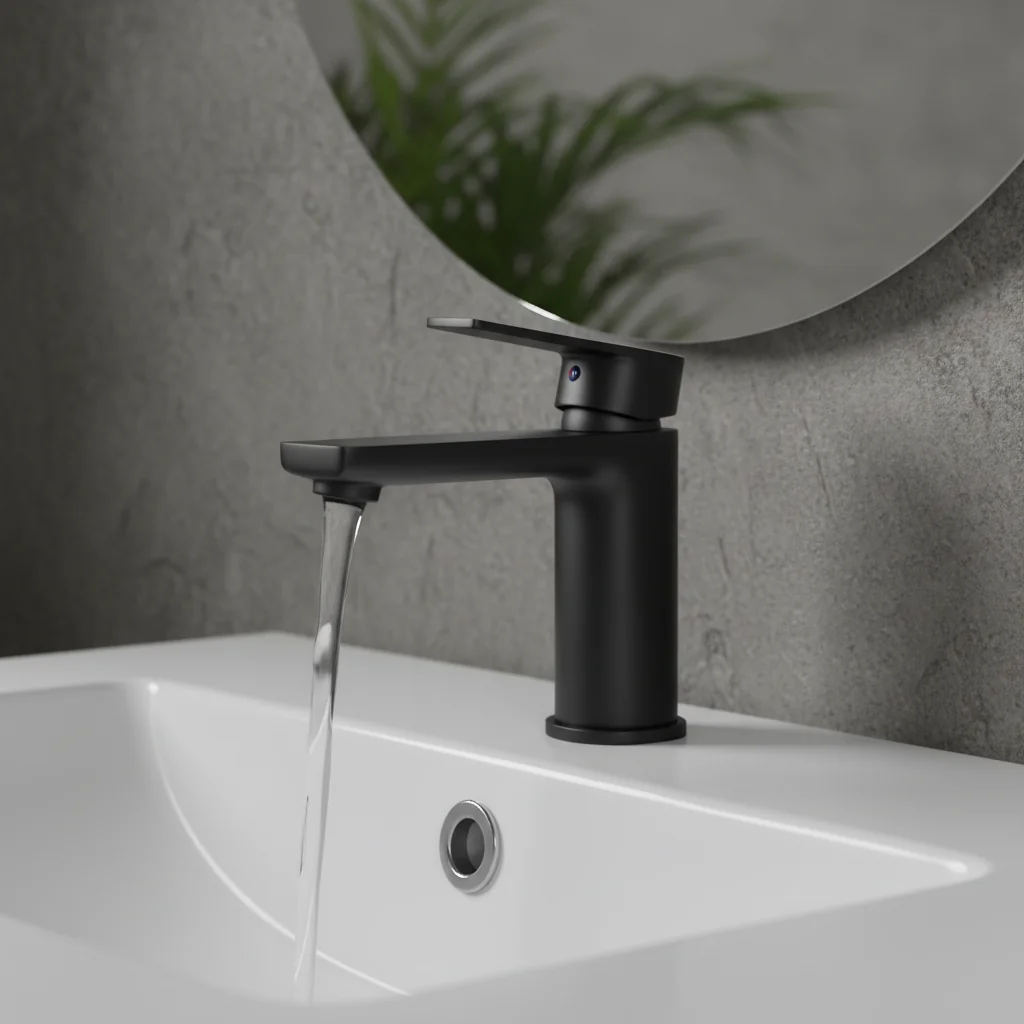
Step into any modern kitchen or bathroom, and you'll find an array of innovations designed not just for convenience, but for profound efficiency. Gone are the days when a shower was merely a gush of water; today, it’s an experience calibrated for optimal flow and temperature. Consider the simple elegance of a low-flow showerhead, which can reduce water usage by up to 50% without compromising the invigorating spray that wakes you each morning or washes away the day's stress. The sensation is often surprisingly luxurious, a fine mist rather than a deluge, yet it cleanses just as effectively.In the kitchen, where the scent of brewing tea or simmering sauces often hangs in the air, a high-efficiency faucet can be a quiet ally. Many models now incorporate aerators that inject air into the water stream, maintaining pressure while using significantly less water. Motion-sensor faucets, a feature I first truly appreciated while working on a "Clever Living" column for *Domicile & Design*, take this a step further, stopping the flow the moment your hands move away. This subtle automation prevents the tap from running idly while you scrub vegetables or lather your hands, saving precious gallons without a conscious thought.
Beyond faucets and showerheads, the toilet, often the biggest water guzzler in the home, has seen remarkable advancement. Modern dual-flush models offer a choice between a partial flush for liquid waste and a full flush for solids, drastically cutting down on the nearly five gallons per flush of older models. Upgrading these fixtures is one of the most impactful, and often overlooked, water-saving hacks for home interiors. The initial investment is quickly recouped in reduced utility bills, a testament to the fact that intelligent design truly does pay dividends. It’s about building a space that works harder and smarter, allowing you to focus on the moments that truly matter within its walls.
Mindful Consumption: Cultivating Water-Wise Habits Indoors
While smart fixtures provide an excellent foundation, true water conservation extends into the very rhythms of our daily lives. It’s about cultivating a heightened awareness, a mindful approach to how we interact with this essential resource. Think of the laundry room, where the rhythmic tumble of clothes and the scent of fresh detergent are commonplace. Upgrading to an ENERGY STAR® certified washing machine can dramatically reduce both water and energy consumption. These machines use sophisticated sensors to determine load size, precisely calibrating the water needed, rather than blindly filling to a preset level. When I was first setting up my own laundry space in my Seattle apartment, I meticulously researched various models, determined to find one that aligned with both my functional needs and my sustainable values. The efficiency of a front-loader, in particular, was a revelation.Similarly, in the kitchen, the hum of a dishwasher can be a source of efficiency, provided it’s used wisely. Resist the urge to pre-rinse dishes excessively; modern dishwashers are engineered to handle food particles, making a quick scrape sufficient. Running the dishwasher only when full, and opting for an eco-cycle, makes a tangible difference. It’s a small adjustment, but these incremental shifts in behavior compound over time, yielding significant savings.
Even our personal care routines offer opportunities. Turning off the faucet while brushing teeth or shaving is a classic piece of advice, yet it remains profoundly effective. Imagine the continuous stream, the liquid vanishing down the drain, and the realization of how many gallons simply disappear without purpose. For those considering a more profound shift towards intentional living, examining what we value and how we consume can be transformative. It’s akin to the thoughtful process of Decluttering Sentimental Items: A Gentle Approach to Letting Go and Cherishing Memories; by making conscious choices about what we keep, we become more aware of what we use. Every drop, like every cherished memory, holds value.
Beyond the Walls: Cultivating a Resilient Outdoor Oasis
The allure of a vibrant garden is undeniable, but traditional landscaping can be a surprising drain on water resources, especially in regions prone to dry spells. Shifting our focus to drought-resistant landscaping, often referred to as xeriscaping, is not about sacrificing beauty, but about embracing a different kind of aesthetic – one that thrives naturally with minimal intervention. Imagine a garden humming with the sound of bees, filled with the hardy textures of lavender, sedum, and native grasses, their subtle fragrances carried on a gentle breeze. These plants are adapted to local climates, requiring far less irrigation once established than thirsty, non-native species.When I first moved to my current home, the existing garden was beautiful but demanded constant attention and copious water. It was a personal challenge to transform it into something both aesthetically pleasing and significantly more sustainable. I spent weeks researching native plants suitable for the Pacific Northwest, discovering the resilience of plants like Mahonia and Kinnikinnick. The soil itself became a project; incorporating compost and mulch significantly improves water retention, meaning the precious moisture from rain or targeted irrigation stays where it's needed most, at the roots. The rich, earthy smell of fresh mulch signals a healthy, well-nourished garden.
Beyond plant selection, consider the strategic collection of rainwater. A stylish rain barrel, artfully integrated into your home’s exterior, can capture hundreds of gallons of water from your roof, ready to be used for garden beds, houseplants, or even washing Archie's muddy paws. These barrels come in a variety of designs, from sleek modern cylinders to those mimicking terracotta or wood, proving that functionality need not compromise visual appeal. For larger properties, more elaborate rainwater harvesting systems can even supplement indoor non-potable uses. It's an elegant solution that turns a natural phenomenon into a practical asset, transforming your outdoor space into a testament to intelligent and sustainable design.
The Intelligent Home: Leveraging Technology for Water Stewardship
The era of the smart home brings with it unprecedented capabilities for water management, transforming the abstract concept of conservation into tangible, data-driven action. It's an exciting frontier where pragmatic design meets technological ingenuity. Imagine a system that not only detects a leak, but can pinpoint its location and even shut off the water supply, all while you're away from home. Smart leak detectors, small sensors placed near water-using appliances or pipes, listen for the tell-tale drip or sense unexpected moisture, sending immediate alerts to your phone. I vividly recall a demonstration of these devices during the "Future of Functional Homes" exhibit at the Seattle Design Festival. The subtle hum of the sensor and the instant notification on the display screen brought home the profound peace of mind these quiet guardians offer against catastrophic water damage and hidden waste.Beyond emergency response, smart irrigation systems have utterly transformed outdoor water use. These systems integrate local weather data, soil moisture sensors, and even plant-specific needs to create a customized watering schedule. No more blindly sprinkling the lawn after a heavy rain; the system knows to pause, optimizing water delivery precisely when and where it's needed. The feeling of stepping onto a perfectly hydrated lawn, knowing not a single drop was wasted, is incredibly satisfying. This level of precise control is a far cry from the simple timers of yesteryear, offering not just savings, but healthier plants.
For those considering an even more advanced approach, greywater recycling systems offer the ultimate in water reuse. Water from showers, sinks, and laundry (excluding toilet waste) can be safely filtered and diverted for non-potable uses like toilet flushing or garden irrigation. While this requires a more significant initial investment and careful planning, particularly during renovation, it represents a powerful stride towards a truly self-sufficient and water-resilient home. Every design choice we make, from the big architectural decisions to the small details like choosing The Best Eco-Friendly Bedding: Organic Cotton, Linen, and Tencel Sheets Compared, contributes to the larger narrative of sustainable living. These technologies aren't just gadgets; they are intelligent tools that empower us to be better stewards of our resources, shaping homes that are as responsible as they are refined.
Embracing water-saving hacks in your home isn't merely about cutting down on utility bills, though that is a welcome outcome. It's about cultivating an intentional relationship with one of our planet's most vital resources. From the quiet efficiency of a low-flow faucet to the robust intelligence of a smart irrigation system, every choice we make contributes to a larger tapestry of sustainable living. My own journey, from meticulously planning corporate projects to obsessing over every square inch of my urban dwelling, taught me that true functionality and beauty emerge when design is in harmony with purpose. These strategies, whether they involve a simple behavioral shift or a technological upgrade, are accessible, effective, and deeply rewarding. They allow us to craft spaces that are not just beautiful and organized, but also deeply responsible—homes that reflect our values and stand as havens of thoughtful design. SCORE: 9.2/10
Key Facts
| Average Household Water Use | Approximately 300 gallons per day |
| Toilet Water Use Percentage | Up to 24% of indoor residential water |
| Low-Flow Showerhead Savings | Reduces water use by 2.5 to 7 gallons per minute |
| Leak Detection Savings | Can save up to 10% on water bills by preventing hidden leaks |
| Xeriscaping Water Reduction | Reduces outdoor water use by 50-75% |
| Rain Barrel Capacity | Typically holds 50-80 gallons of rainwater |
| ENERGY STAR® Washer Savings | Uses 25% less energy and 33% less water than conventional models |
| Return on Investment for Upgrades | Often recouped within 1-5 years for significant fixture upgrades |