Custom Built-Ins: The Investment in Smart Space Optimization
The persistent challenge of living well in spaces that often feel too small, too ordinary, or simply out of sync with our daily rhythms is a familiar one. We collect, we grow, we adapt, yet our homes frequently lag behind, leaving us to navigate cluttered surfaces and overflowing drawers. I recall countless consultations where clients expressed a deep longing for order, for a quiet elegance that felt both intuitive and personal. They dreamt of breathing room, of a home that didn't just contain their lives but genuinely supported them. This desire for harmony, for a physical manifestation of calm, often leads us to consider solutions beyond the standard furniture showroom. It leads us to the quiet power of custom built-ins.
The Tailored Fit: Beyond Off-the-Shelf Limitations
Step into any mass-market furniture store, and you're met with a sea of standardized sizes, predetermined finishes, and a one-size-fits-all mentality. While these pieces serve a purpose, they rarely, if ever, truly conform to the unique contours and eccentricities of our individual homes. Think of that awkward corner in the living room, perpetually empty or crammed with an ill-fitting plant stand. Or the wall in a child's bedroom, just a few inches too short for the perfect wardrobe, leaving a frustrating, dust-collecting gap. These aren't just minor annoyances; they represent tangible, wasted opportunities for storage and aesthetic coherence.Custom built-ins, by their very nature, are born from the specifications of your space. They are not merely placed within a room; they become an integral, architectural component of it. Imagine a bookshelf that perfectly hugs a sloped ceiling, or a window seat designed with cubbies underneath that disappear behind flush panels, offering a welcome spot for a quiet cup of tea while concealing toys or seasonal throws. The beauty lies in their precision. Every millimeter is accounted for, every angle considered, transforming previously unusable areas into highly functional, visually pleasing assets. There's a particular satisfaction in running your hand along the smooth edge of a custom-fitted cabinet, feeling the solid weight of the wood, knowing it was crafted specifically for *your* home, *your* needs.
My own journey into home organization was ignited by the challenge of my small city apartment. I spent years in corporate project management, an environment where efficiency was paramount. That same drive translated to my personal space. I remember a particularly stubborn alcove in my Seattle apartment, too narrow for a standard dresser, too wide to ignore. It became my personal design nemesis. I sketched, I measured, I reimagined, eventually commissioning a built-in secretary desk with integrated drawers and a fold-down work surface. The moment it was installed, the faint scent of fresh-cut wood filling the air, I felt a profound shift. The space suddenly felt larger, smarter, more purposeful. That small alcove, once a visual distraction, became a discreet, highly organized home office that could vanish at the end of the workday. It was a tangible demonstration of how bespoke solutions can genuinely transform a dwelling, proving that thoughtful design isn't a luxury, but a fundamental component of refined, intelligent living.
This bespoke approach means saying goodbye to those visible seams between standalone pieces, the dust bunnies that gather in the gaps, and the feeling that your furniture is simply visiting rather than belonging. Instead, you gain a sense of permanence, a quiet sophistication that permeates the room.
Intelligent Design, Integrated Functionality
The true brilliance of custom built-ins extends far beyond mere aesthetic integration; it resides in their capacity for intelligent, multi-faceted functionality. Unlike a standalone armoire or a pre-fabricated media unit, a built-in can be meticulously designed to serve a precise purpose, often combining several functions into one cohesive structure. Consider the modern living room. Rather than a collection of disparate pieces—a TV stand, a console table, a bookshelf, a display cabinet—a custom media wall can consolidate all these elements. It can house a television at the perfect viewing height, conceal unsightly cables behind cleverly designed panels, provide dedicated shelves for a well-organized book collection, and even integrate hidden compartments for remotes, gaming consoles, or charging stations. The result is a clean, uncluttered focal point that feels intentional and calm.In a home office, a built-in desk unit can wrap around a corner, maximizing surface area while providing integrated file drawers, power outlets strategically placed within the desk, and even pull-out keyboard trays or printer shelves that keep technology out of sight when not in use. This level of considered detail means less visual noise, fewer distractions, and a greater sense of calm productivity. The smooth, soft-close mechanisms on drawers and cabinet doors, the subtle click as a magnetic latch engages, these small sensory details contribute to an overall experience of quality and thoughtful engineering. It’s not just storage; it’s an operational hub, precisely calibrated to your workflow.
Furthermore, built-ins are adept at incorporating smart home technology in ways that off-the-shelf furniture simply cannot. Imagine a bedroom headboard that integrates reading lights, USB charging ports, and discreet panels to conceal smart home hubs or voice assistants. Or a kitchen banquette with under-seat storage that also houses a robotic vacuum's charging dock, keeping it hidden until it's time for its routine. This strategic integration is at the heart of functional design. It's about creating spaces where everyday tasks are made easier, where technology serves us without dominating the visual aesthetic. This foresight in design transforms a static piece of furniture into a dynamic, adaptable component of your smart living environment, ensuring that your home feels both technologically advanced and serenely ordered.
Enhancing Property Value and Aesthetic Cohesion
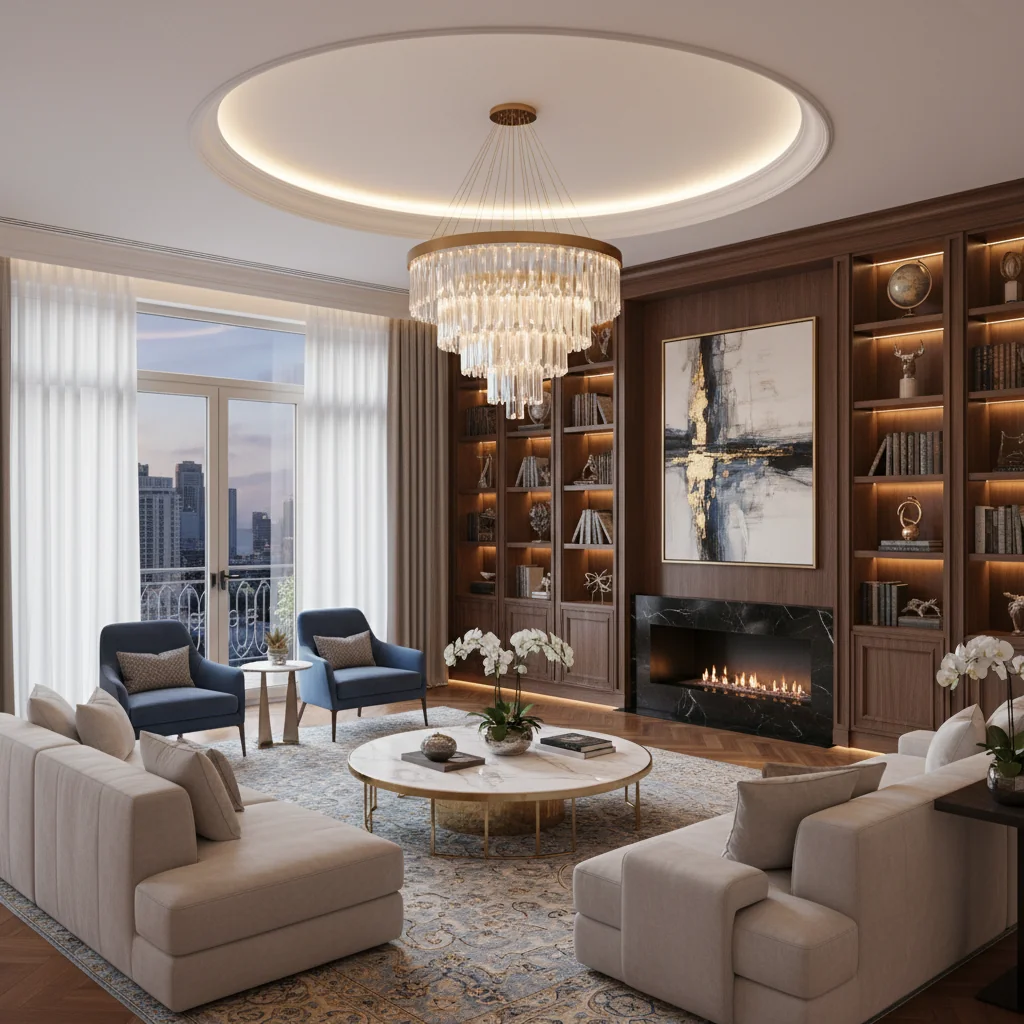
Investing in custom built-ins is often viewed through the lens of immediate utility and aesthetic pleasure, which are certainly compelling benefits. However, a less obvious, yet equally significant, advantage is their profound impact on a property's long-term value and its overall aesthetic cohesion. When a potential buyer walks into a home, they are not just looking at square footage; they are assessing the perceived quality, the thoughtfulness of the design, and the inherent functionality. Custom built-ins speak volumes in this regard. They suggest a level of care, a commitment to quality craftsmanship, and a strategic utilization of space that immediately sets a home apart from those with generic, freestanding furniture.Think of built-in bookshelves flanking a fireplace, perfectly symmetrical and reaching to the ceiling, or a mudroom with bespoke cubbies and benches, each designed for a specific family member. These aren't merely decorative additions; they are permanent fixtures that convey luxury and practicality. They reduce visual clutter, create a sense of expansive order, and suggest that the home has been thoughtfully maintained and upgraded. Appraisers and real estate agents often note that high-quality built-ins can significantly contribute to a home's appraisal value, as they are seen as architectural enhancements rather than removable chattel. This investment is not just for your current enjoyment; it’s a strategic move for the future.
Beyond financial returns, the true power of built-ins lies in their ability to foster aesthetic cohesion throughout a home. They can unify disparate rooms, carrying a consistent design language through materials, finishes, and detailing. A specific shade of wood, a particular style of hardware, or a recurring fluted panel design can be replicated across a living room media unit, a bedroom dresser, and even a kitchen pantry. This creates a subtle yet powerful thread of continuity, lending a sense of refined order and sophisticated calm to the entire dwelling. The absence of awkward gaps, the seamless integration with walls, and the custom fit all contribute to a feeling of deliberate design, where every element feels perfectly in place. This isn't just about things matching; it's about crafting an environment where every piece contributes to a harmonious, visually compelling narrative. It's the difference between a collection of objects and a truly designed space.
Furthermore, from a sustainability perspective, investing in custom built-ins means choosing durability over disposability. These are not pieces destined for the landfill after a few years; they are designed to withstand the test of time, crafted from high-quality materials, and built to last for decades. This considered approach aligns perfectly with our mission at The Organized Abode, promoting not just beautiful homes but responsible ones.
Customization for Every Nook: From Laundry to Libraries
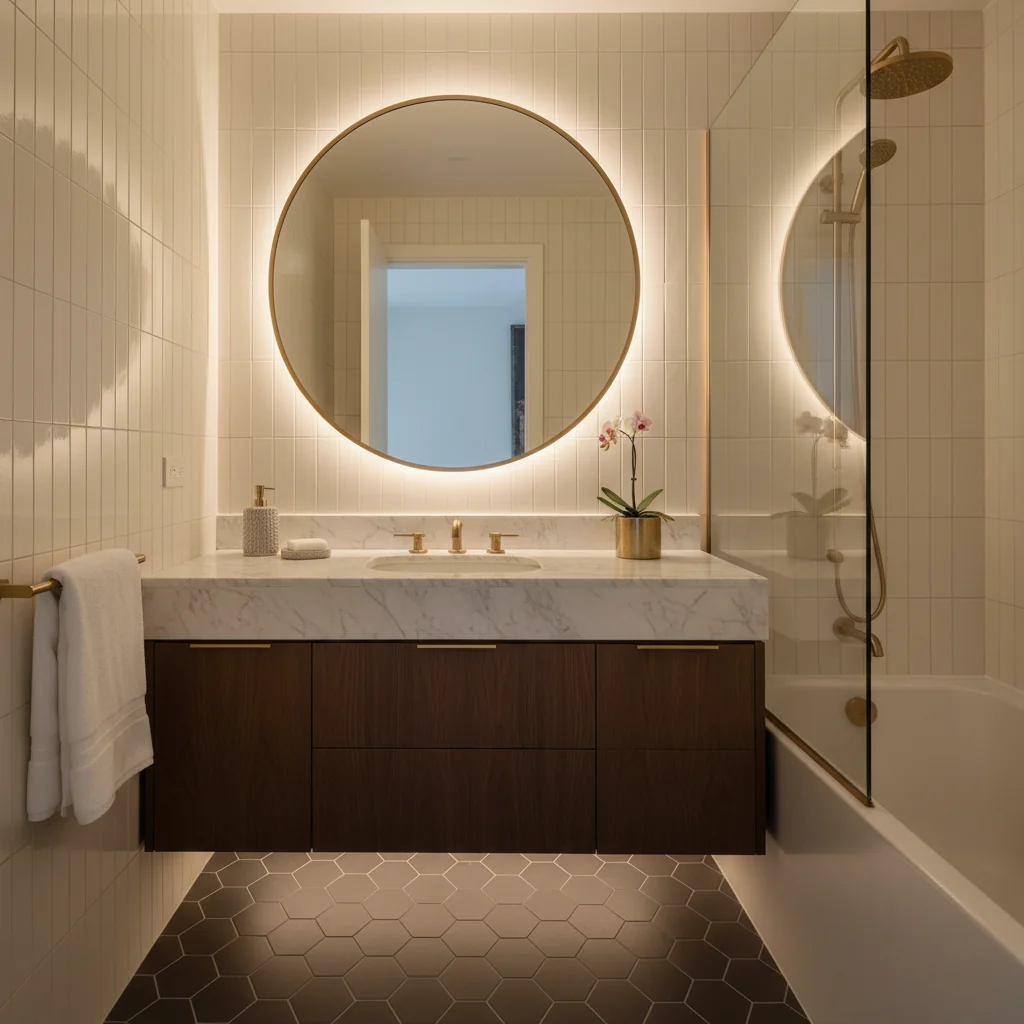
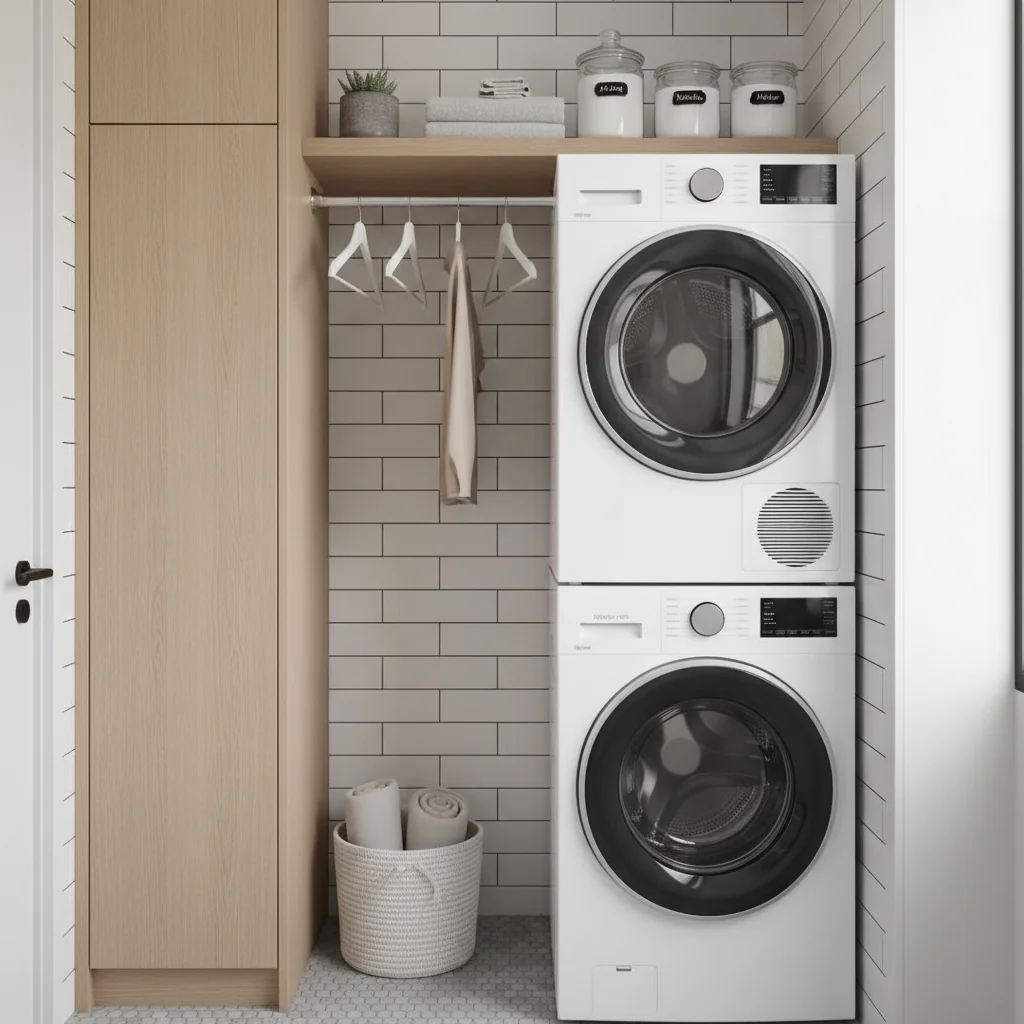
One of the most compelling arguments for custom built-ins is their unparalleled adaptability, particularly in spaces that are often overlooked or present unique design challenges. We tend to focus on the main living areas, but it's often the smaller, more functional rooms that benefit most dramatically from a bespoke approach. Consider the bathroom, a space where every inch counts, and storage is perpetually at a premium. Rather than relying on a wobbly freestanding cabinet or an over-the-toilet rack, a custom vanity can be designed to perfectly fit the room's dimensions, offering drawers and cabinets tailored to specific needs—deep drawers for towels, shallow ones for toiletries, even an integrated hamper. Wall-to-wall shelving, recessed into an unused corner, can provide elegant display for linens and essentials, maintaining a serene, spa-like atmosphere. For more on maximizing these essential spaces, consider exploring our guide on Maximizing Your Bathroom: Clever Storage for Linens, Toiletries, and More.The laundry room, another often-neglected zone, transforms under the influence of custom design. A narrow room can accommodate a stacked washer and dryer with a built-in cabinet above, providing a dedicated space for detergents and supplies. A larger area might feature a custom folding station with pull-out hampers, built-in ironing board, and even a drying rack that retracts into a cabinet when not in use. These thoughtful additions not only streamline chores but also elevate the functionality of a space that typically feels purely utilitarian. If you’re struggling with a compact laundry area, our insights on Designing a Functional Laundry Nook: Space-Saving Ideas for Compact Homes offer more tailored advice.
Beyond these practical rooms, custom built-ins truly shine in creating aspirational spaces like home libraries or dedicated reading nooks. Picture a wall of books, floor-to-ceiling, with integrated ladder rails, a sliding ladder, and perhaps a small, upholstered window seat nestled within the shelves. The shelves themselves can be adjusted for varying book heights, with deeper sections for art books or display pieces. This level of thoughtful design creates an inviting sanctuary, a tangible expression of intellectual curiosity and personal refuge. It’s about more than just storing books; it’s about crafting an atmosphere.
Even in entryways, often chaotic zones, built-ins can bring order and a welcoming sense of arrival. A custom bench with shoe storage beneath, hooks for coats and bags, and a small upper cabinet for keys and mail can transform a cluttered landing into an organized, aesthetically pleasing transition space. The beauty is in the specifics—the exact height of the bench, the number of hooks needed for your family, the depth of the shoe cubbies. This precise calibration to your life and home is what makes the investment in custom built-ins not just worthwhile, but truly transformative. They are the ultimate expression of functional design, tailored to every conceivable need.
The decision to invest in custom built-ins is a pivotal one for any homeowner seeking to truly optimize their living space. It moves beyond the transient appeal of trends and instead grounds your home in enduring functionality and timeless style. From reclaiming forgotten corners and transforming awkward alcoves into purposeful zones, to integrating smart technology with elegant discretion, built-ins offer a level of precision and personalization that freestanding furniture simply cannot match. They are a declaration of intent: a commitment to refined order, intelligent design, and a home that doesn't just house your life but actively supports it. While the initial investment may appear significant, the long-term benefits in terms of enhanced property value, superior organization, and an unparalleled sense of aesthetic cohesion make them an undeniably wise choice. For those discerning homeowners who prioritize both beauty and pragmatic liveability, custom built-ins are an essential consideration, shaping spaces that truly reflect and elevate their daily existence.
SCORE: 9.2/10
Key Facts
| Space Efficiency Gain | Up to 30% more usable storage compared to freestanding furniture |
| Return on Investment (ROI) | Potential 50-70% cost recovery upon resale, often contributing to higher appraisal values |
| Durability & Lifespan | Typically 20+ years, often outlasting standard furniture by a decade or more |
| Customization Options | Virtually limitless materials, finishes, hardware, and internal configurations |
| Installation Timeframe | Generally 2-6 weeks from design approval to completion, depending on complexity |
| Noise Reduction | Solid construction and precise fit can dampen ambient noise |
| Maintenance | Low; typically requires only routine dusting and occasional cleaning |
| Environmental Impact | Reduced waste due to longevity and bespoke design eliminating ill-fitting pieces |