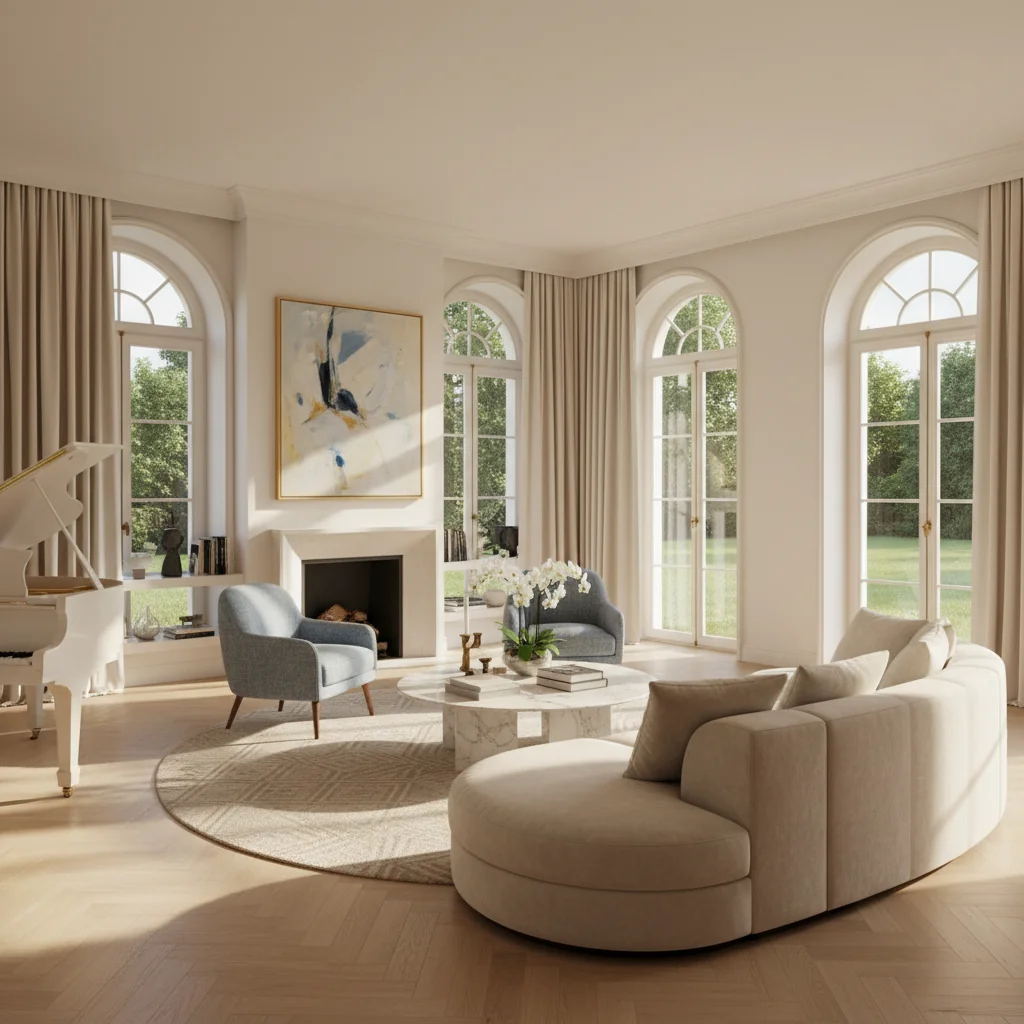
The Savvy Design Playbook: Mastering High-End Decor Dupes
The soft, weighty thud of a solid oak drawer closing, the way natural light catches the weave of a Belgian linen sofa, the cool, smooth glide of a brass-handled console—these are the sensory details that whisper luxury from the showrooms of our most coveted home decor brands. We all feel that undeniable pull towards the grand scale and understated elegance of places like Restoration Hardware, Pottery Barn, and West Elm. Yet, for most of us, outfitting an entire home with such pieces remains a beautiful, distant fantasy. But what if I told you that the dream of a refined, aspirational living space doesn’t have to remain just that? My journey into functional design began with making every square inch count, and that includes every dollar. There's a smarter way to capture that elevated aesthetic, a way that respects both your vision and your wallet.
The Irresistible Gravity of Premium Design: RH, PB, & WE
There's an undeniable gravitas to the designs from brands like Restoration Hardware, Pottery Barn, and West Elm. It’s not simply about brand recognition; it's the intentionality woven into every piece. Restoration Hardware, for instance, evokes a sense of timeless antiquity, often leaning into grand, architectural scales and a muted palette that speaks of weathered history and understated drama. Think deeply tufted linen sofas that invite a collapse into their plush depths, or vast, reclaimed wood dining tables bearing the faint scent of timber and age. Their pieces often possess a substantiality, a heft, that promises longevity and a story.Pottery Barn, on the other hand, masterfully captures a relaxed, classic American comfort, a polished yet approachable farmhouse aesthetic with a touch of coastal breeze. Their furniture often features robust, clean lines, sturdy craftsmanship, and a focus on fabrics that feel lived-in and inviting, like a favorite chambray shirt or a well-worn leather armchair. One can almost feel the smooth, cool ceramic of their serving ware or the satisfying click of a well-fitted drawer. West Elm, the modern cousin, offers a sleeker, more contemporary appeal, often experimenting with mixed materials—warm woods meeting cool metals, rich velvets alongside crisp geometrics. Their pieces often boast a lighter footprint, perfect for urban dwellings, yet maintain a sophisticated edge that feels both current and enduring. The gleam of polished brass, the tactile pleasure of a boucle throw, the clean, satisfying lines of a Mid-century inspired cabinet—these are the textures and visual cues that define their distinct, aspirational allure. Understanding these core design languages is the first step in cleverly reinterpreting them without the premium price tag. My early work, particularly for *Urban Nestings* and my "Small Space, Big Impact" series, taught me that replicating the *feeling* of high-end is often more powerful than replicating the exact item.
The Art of Discerning a Dupe: Beyond Surface Appearance
Finding a true dupe isn’t merely about spotting a similar silhouette; it’s about recognizing the underlying design principles and material integrity that make the original so desirable. A poorly executed imitation can quickly deflate a room's intended atmosphere, leaving a hollow feeling rather than the resonant quality of its high-end counterpart. When I’m scouting for alternatives, my focus immediately shifts to the raw materials. Is that a solid oak frame, or a veneer pressed over particleboard? Can you feel the substantial weight of the piece, or does it feel flimsy to the touch? The difference in the hand-feel, the subtle resistance as you test a joint, or the way light plays across a genuinely distressed wood finish versus a printed pattern, is palpable.For upholstered items, the fabric composition is paramount. High-end brands often use linen, wool, or durable performance blends that offer both luxurious texture and resilience. A quality dupe will strive for similar hand and drape, even if the exact fiber content differs. Look for tightly woven fabrics, even stitching, and cushions that promise both support and softness. Hardware, too, is a crucial tell. The satisfying weight of solid brass, the smooth action of a well-engineered drawer slide, the quiet turning of a heavy-duty caster—these small details contribute disproportionately to the overall perception of quality. I remember vividly a project for *Domicile & Design*'s "Clever Living" column, where a client was fixated on a particular Restoration Hardware dining table, a massive trestle design in aged oak. The budget, however, was decidedly modest. I spent weeks scouring sources, not for an identical look, but for a table with similar substantial proportions, solid wood construction, and a finish that could be coaxed into an aged patina with a little elbow grease. The final piece, sourced from an independent artisan, wasn't a clone, but it possessed the same grounded presence, the same visual weight and authenticity, entirely transforming their dining space for a fraction of the cost. It wasn't about the label; it was about the intrinsic quality and careful styling that made it sing.
Smart Sourcing Strategies for Coveted Looks
Armed with a discerning eye, the hunt for quality dupes becomes a rewarding endeavor, a treasure hunt for the aesthetically minded. The internet, of course, is a vast marketplace, but knowing where to look is key. Retailers like Wayfair, Overstock, and Amazon can be goldmines, but you must sift through countless options. Pay close attention to product descriptions, focusing on material composition (e.g., "solid wood" versus "engineered wood" or "MDF"), dimensions, and customer reviews that often highlight construction quality or color accuracy. Don't shy away from smaller, independent online shops that specialize in specific aesthetics; they often carry unique pieces that fall between mass-market and high-end.Beyond the digital realm, real-world exploration yields incredible finds. Antique markets, consignment shops, and even estate sales are my personal playgrounds. Here, the "dupes" aren't copies at all, but often original pieces with genuine history and craftsmanship that can perfectly complement a high-end aesthetic. A weighty, antique dresser with dovetail joints can offer the same solid presence as a contemporary high-end piece, often for a fraction of the price, and with a unique story to boot. With a little sanding and a fresh coat of paint or stain, it can be reborn. For those looking to replicate the grandeur of a solid wood console, a bit of DIY prowess can go a long way. Consider how a simple, well-proportioned console table, perhaps even one you craft yourself from quality lumber, can serve as the architectural anchor of an entryway. Imagine the textured surface, the rich grain, ready to welcome guests with understated elegance. Elevating Your Entryway: DIY Console Table Ideas & Styling Tips for a Grand Welcome offers a fantastic guide to achieving this. The trick is to visualize the *essence* of the high-end piece—its scale, its material story, its functionality—and then seek out objects that capture that essence, whether through direct imitation, clever repurposing, or thoughtful personalization.
Weaving It All Together: Beyond the Individual Piece
Acquiring individual dupes is merely the first step; the true artistry lies in how you integrate them into a cohesive, aspirational space. A single fantastic dupe, if surrounded by disparate, low-quality items, will still fall flat. The secret to achieving that "high-end" feel without the full investment is thoughtful layering and a keen understanding of design principles. Begin by establishing a restrained color palette, typically neutral and earthy tones, which allows textures and forms to truly shine. High-end spaces often favor a serene backdrop, letting the furniture and accessories be the heroes.Texture is your most powerful ally. Mix the rough with the smooth, the soft with the hard. A plush boucle throw draped over a faux-linen sofa, a woven jute rug anchoring a room with a sleek, polished coffee table, the cool ceramic of a vase against the warm grain of wood—these tactile contrasts create depth and visual interest that mimic the richness of expensive materials. Don't underestimate the impact of lighting. Warm, layered lighting, achieved through a combination of ambient, task, and accent fixtures, can transform even the most modest pieces, casting them in a flattering glow. Think about how a well-placed floor lamp can highlight the curve of an armchair, or how subtle backlighting can make a bookshelf feel more intentional. Finally, consider the often-overlooked power of strategic accessorizing. Thoughtfully chosen artwork, a stack of weighty coffee table books, a collection of artisanal pottery, or even a few well-tended houseplants can elevate the perceived value of an entire room. These small, often budget-friendly details, when chosen with purpose, lend personality and a sense of "finish" that mirrors the meticulous styling of high-end showrooms. Remember, the right foundation is crucial. A beautiful rug, for instance, can define a space and immediately inject warmth and sophistication, guiding the eye and grounding your carefully selected furnishings. Choosing the Right Area Rug: How to Select for Size, Material, and Budget offers invaluable advice for making this foundational choice. It's the thoughtful symphony of these elements, not the singular price tag of each, that creates a truly refined abode.
The pursuit of a beautifully appointed home is a personal one, a reflection of our values and aspirations. While the allure of high-end brands like Restoration Hardware, Pottery Barn, and West Elm is undeniable, the notion that such elegance is exclusive to those with limitless budgets is a misconception I've spent years dispelling. My work, from showcasing "Clever Living" solutions in *Domicile & Design* to curating exhibits on functional homes, has consistently reinforced a fundamental truth: intelligent design is about strategy, not just spending. By understanding the core aesthetics of premium brands, developing a keen eye for material quality, and embracing smart sourcing strategies—whether through online retailers, antique markets, or DIY projects—you can craft a space that feels both luxurious and genuinely authentic. The true measure of a refined home isn't found in the labels on its furniture, but in the harmony of its elements, the comfort it provides, and the story it tells of thoughtful curation. It's about creating a personal haven that exudes warmth and understated sophistication, all while honoring your financial reality. A beautifully organized and functional home is always within reach. SCORE: 9.3/10
Key Facts
| Average High-End Sofa Price | $4,000 - $12,000 |
| Dupe Sofa Price Range | $800 - $2,500 |
| Material Difference | Solid Hardwood vs. Engineered Wood/MDF |
| Cost Savings Potential (Major Items) | 50% - 80% |
| Typical Fabric Blends (High-End) | Linen, Cotton, Wool, Performance Velvet |
| Typical Fabric Blends (Dupes) | Polyester, Cotton Blends, Microsuede |
| Retailer Sourcing Time (Average) | 3-6 hours per major item |
| Longevity Expectancy (Well-Chosen Dupes) | 5-10 years with proper care |