The Grounding Element: Selecting the Perfect Area Rug
The bare floor, a blank canvas. It waits, often silently, for the defining stroke that will not only anchor a room but imbue it with warmth, character, and a palpable sense of completion. An area rug is far more than just a textile underfoot; it’s a foundational element, a silent architect that can dictate flow, define zones, and whisper tales of comfort. Yet, this pivotal design choice often leaves homeowners adrift, overwhelmed by the sheer breadth of options. How do you navigate the tactile allure of fibers, the stark geometry of dimensions, and the ever-present considerations of cost? I understand the dilemma.
The Unseen Architect: Mastering Rug Dimensions for Spatial Harmony
Imagine stepping into a thoughtfully designed room. Your eyes sweep across the space, noting the furniture arrangements, the play of light, the subtle cues that define distinct areas. In many cases, it is the area rug that performs this quiet, yet critical, work. A rug, correctly sized, functions as a visual anchor, grounding your furniture and preventing that unsettling "floating" sensation. An undersized rug, conversely, can make a space feel cramped, disjointed, and utterly out of proportion – a design faux pas I've seen far too often.
My first real foray into the power of a perfectly proportioned rug came during my early days contributing to *Urban Nestings*. I was working on a series about maximizing impact in truly minuscule city apartments. One particular challenge was a tiny studio where the sofa, coffee table, and a lone armchair seemed to drift aimlessly in the open plan. The owner, a young architect, had placed a charming but utterly minuscule 4x6 rug, leaving most of the furniture's legs off. The room felt restless, uncentered. We swapped it for a 6x9, a rug that allowed the front two legs of both the sofa and armchair to rest comfortably on its surface, with the coffee table fully centered. The effect was immediate, visceral. The room exhaled. What had been a collection of disparate pieces suddenly coalesced into a cozy, defined living zone. The space didn't feel larger, but it felt immeasurably more intentional and, paradoxically, more expansive because it was organized.
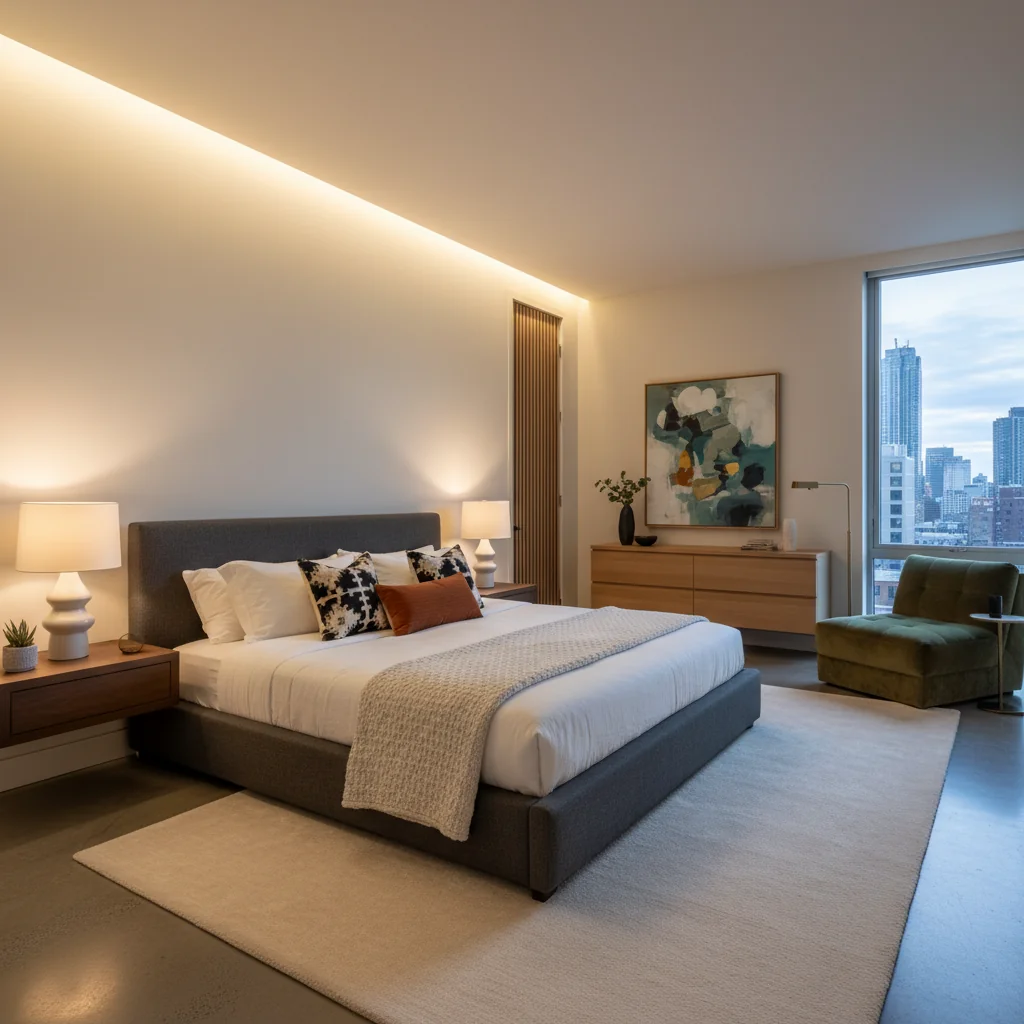
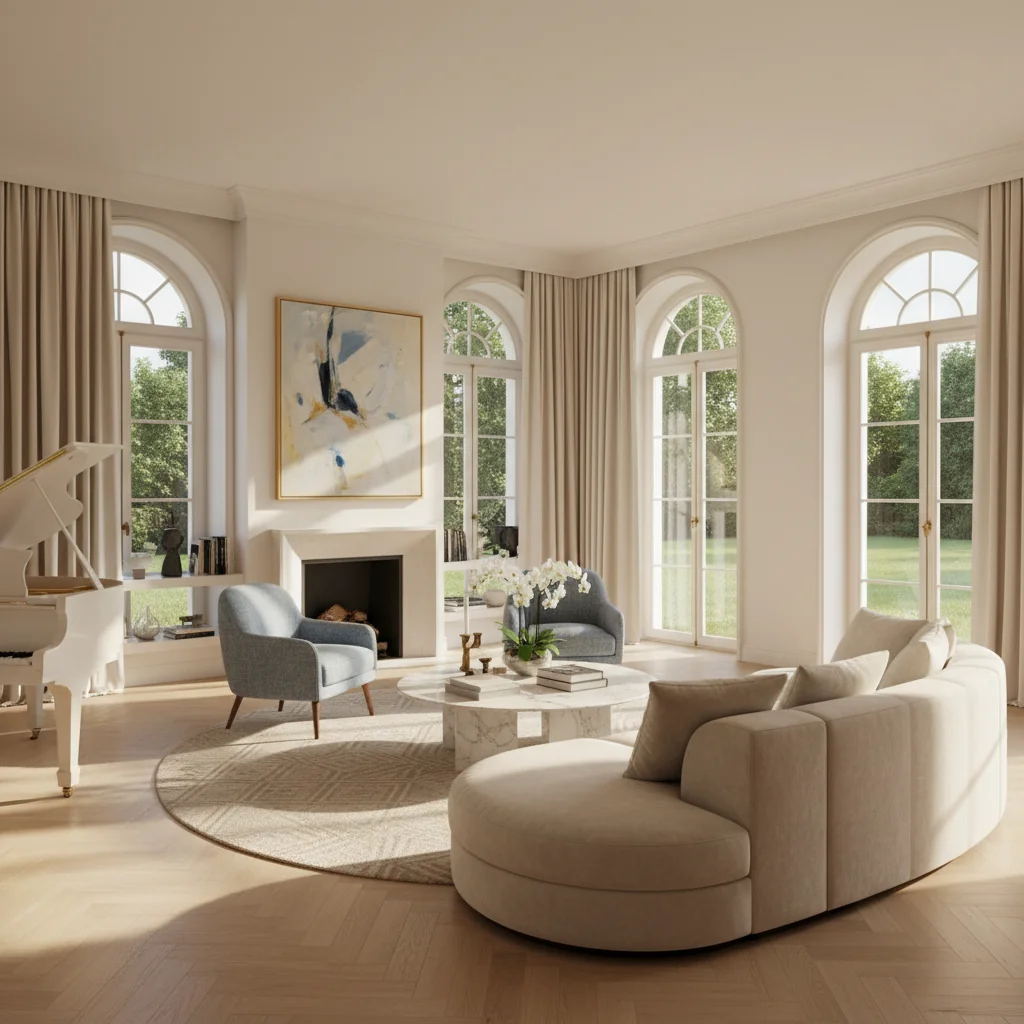
Here are the guidelines I consistently recommend: In a living room, aim for a rug that allows at least the front two legs of all main seating pieces to rest upon it. Ideally, all furniture should be on the rug, leaving a foot or two of bare floor around the perimeter of the room. For dining rooms, the rug must be large enough to accommodate the dining chairs even when pulled out from the table. This often means extending at least 24 inches beyond the table's edge on all sides. In a bedroom, the rug should extend at least two-thirds under the bed, providing a soft landing for your feet when you wake, or, for a grander statement, place an extra-large rug that frames the entire bed and nightstands. The impact of these choices is not just aesthetic; it’s tactile, it's spatial, it defines how you move and live within the room.
Earth's Embrace: Natural Fibers for Timeless Texture
Once you've mapped out the ideal dimensions, the true sensory exploration begins: material. The choice of fiber profoundly impacts the rug's texture, durability, and ultimately, the atmosphere it cultivates. Among the natural options, wool stands as a perennial favorite, and for good reason. Stepping onto a thick wool rug feels like sinking into a cloud – dense, resilient, and inherently warm. Its natural lanolin content grants it a remarkable resistance to stains and dirt, making it a surprisingly practical choice for high-traffic areas, despite its luxurious feel. The sound of footsteps on a wool rug is muffled, soft, contributing to a tranquil acoustic environment. This inherent quality of quiet luxury is something I appreciate deeply in our Seattle home, especially on a rainy afternoon with a cup of tea.
Cotton rugs, by contrast, offer a lighter, more casual appeal. They are often flat-woven, making them reversible and exceptionally easy to clean – many smaller cotton rugs are even machine washable. While not as durable as wool for heavy foot traffic, their vibrant colors and crisp textures can inject a fresh, airy quality into a space, perfect for kitchens, bathrooms, or children's rooms. They lend themselves beautifully to layering over larger, more neutral rugs, adding an unexpected pop of pattern or color.
Then we have the robust, earthy textures of jute, sisal, and seagrass. These plant-based fibers bring an organic, grounding presence to any room. Their coarse, often slightly irregular weaves offer a distinct tactile experience underfoot and a beautiful, natural scent that reminds me of sun-drenched landscapes. While not as soft as wool, they are incredibly durable and an excellent choice for adding texture and warmth without overwhelming other design elements. They pair exceptionally well with minimalist aesthetics or bohemian sensibilities, providing an authentic, lived-in feel. When considering these natural textures, it's worth remembering that they offer more than just visual appeal; they connect us to the raw beauty of the world, a principle I often discuss when advising on sustainable organization practices for *Domicile & Design*'s "Clever Living" column.
Modern Craft: Synthetics, Blends, and the Art of Performance
Beyond the venerable natural fibers lies an expansive world of synthetic materials, each engineered with specific performance characteristics in mind. These modern marvels often provide solutions for particular lifestyle demands, making them invaluable tools in a functional design strategist's toolkit.
Nylon, for instance, is a workhorse. It boasts exceptional durability, resilience, and stain resistance, making it an ideal candidate for bustling entryways, active living rooms, or any area subjected to heavy foot traffic and the occasional spill. When Archie, our golden retriever, barrels through the house, I'm thankful for materials that stand up to his enthusiastic greetings. Nylon rugs maintain their appearance well over time, resisting crushing and matting, even in the face of constant use. They are versatile, available in a vast array of colors and patterns, and often offer a softer hand than some other synthetics.
Polypropylene, also known as Olefin, presents another compelling option, particularly when budget and outdoor utility are paramount. This fiber is inherently moisture-resistant, remarkably easy to clean, and highly resistant to fading from sunlight, making it the darling of outdoor patios and sunrooms. It's a fantastic choice for homes with young children or pets where frequent cleaning is a non-negotiable reality. While it may not offer the luxurious feel of wool or the refined softness of nylon, its practicality and affordability make it a shrewd choice for specific applications, aligning perfectly with my "aspirational decor on a shoestring budget" philosophy from *Urban Nestings*.
Viscose, sometimes labeled rayon, offers a silk-like sheen and an incredibly soft, almost fluid feel underfoot. It mimics the luxurious drape and luster of silk at a fraction of the cost, making it an attractive option for adding a touch of glamour to low-traffic areas like a master bedroom or a formal sitting room. However, it's important to understand its delicate nature; viscose is prone to water staining and can show wear more quickly than other fibers. For those seeking opulence without the premium price, it's a beautiful, if high-maintenance, selection. Often, these synthetic fibers are blended, combining the best attributes – for example, a nylon-viscose blend might offer the durability of nylon with a touch of viscose's silky softness, providing a nuanced solution for specific needs.
The Savvy Investment: Budgeting for Beauty and Beyond
Navigating the financial aspect of rug selection can feel like a tightrope walk between desire and practicality. It's not merely about the initial sticker price; it's about understanding the long-term value, the cost of ownership, and how a rug integrates into your overall home improvement strategy. A truly intelligent design choice considers both immediate aesthetics and enduring functionality.
For those operating with a tighter budget, there are strategic ways to achieve a high-end look without breaking the bank. As I often advised clients in my early consulting days, before I joined *Domicile & Design*, sometimes the most impactful changes come from rethinking existing elements. Consider synthetic options like polypropylene for larger rugs in high-traffic areas; their affordability and ease of maintenance offer excellent value. Explore smaller, higher-quality rugs as accent pieces, perhaps layered over a more budget-friendly jute or seagrass base. And never underestimate the power of a good sale or an antique market find. I’ve often unearthed surprisingly robust and beautiful vintage rugs that tell a story, offering character and quality at a fraction of the cost of new high-end pieces.
Where you decide to invest should be driven by both traffic and desired longevity. A quality wool rug in a primary living area, while a higher initial investment, can last for decades with proper care, becoming an heirloom rather than a fleeting trend. For spaces like guest rooms or offices that see less activity, a more modest investment in a durable synthetic or cotton blend can be perfectly adequate. The key is to allocate resources where they will yield the greatest return, whether that's in terms of durability, comfort, or sheer aesthetic impact.
Don't overlook the humble rug pad. This often-forgotten accessory is a critical part of your budget and design strategy. A good quality rug pad, preferably one made of felt and rubber, provides cushioning underfoot, prevents slipping (a major safety concern, especially on hard floors), and crucially, extends the life of your rug by absorbing impact and preventing wear. It's a modest investment that protects a larger one. Just as considering the foundational structure of a room before painting its walls is essential for a lasting finish, so too is a rug pad for the longevity and performance of your chosen textile. For more on how foundational elements transform a space, consider The Power of Paint: Transforming a Room with Strategic Color and Accent Walls, which delves into similar principles of strategic impact. Similarly, if you're looking to refresh existing decor to complement a new rug without overspending, learning about DIY Upholstery Projects: Reviving an Old Armchair with New Fabric and Foam can be incredibly beneficial.
Grounding Your Vision: The Final Word on Area Rugs
The quest for the perfect area rug is a thoughtful process, an interplay of practical considerations and personal expression. It’s about more than simply covering a floor; it’s about intentionally crafting an environment that nurtures your lifestyle and reflects your aesthetic values. From precisely measuring to anchor your furniture, to discerning the tactile whispers of wool versus the robust practicality of polypropylene, to making intelligent budgetary decisions that balance immediate appeal with enduring quality – each step contributes to the ultimate harmony of your home. A well-chosen rug is the silent hero of design, capable of transforming a disparate collection of objects into a cohesive, inviting sanctuary. It grounds, it defines, it softens, and it speaks volumes about the care you invest in your surroundings. Trust your instincts, but lean on these principles, and you'll find the rug that doesn't just fit your room, but completes it. SCORE: 9.2/10
Key Facts
| Living Room Coverage | Front legs of furniture on rug, or 12-18 inches from walls |
| Dining Room Rug Extension | 24 inches beyond table edge on all sides |
| Wool Rug Lifespan | 20+ years with proper care |
| Polypropylene Durability | Excellent for high-traffic, outdoor use |
| Recommended Rug Pad Thickness | 1/4 to 3/8 inch for cushioning and longevity |
| Sound Absorption (Typical) | Reduces ambient noise by 20-40% |
| Cost Savings (Synthetic vs. Natural) | Up to 70% less for comparable sizes |
| Pet-Friendly Material | Nylon and Polypropylene offer superior stain resistance |