Strategic Color: How Paint & Accent Walls Redefine Your Home
The air crackles with anticipation, a faint, sweet tang of pigment hanging in the air. You’ve just rolled the first coat onto a wall, and in that instant, the room shifts. It’s a magic trick, really, one of the most accessible and impactful transformations available to any homeowner. A few gallons of paint can conjure a completely new atmosphere, redefine architectural lines, or expand visual boundaries without so much as moving a single piece of furniture. This isn't just about covering old surfaces; it's about meticulously orchestrating light, mood, and perception to craft a space that resonates deeply with its inhabitants. It’s a powerful tool in our design arsenal, capable of rendering a space both exquisitely personal and profoundly functional.
The Silent Language of Hues: Crafting Mood and Space
Long before a single brushstroke touches the plaster, the thoughtful selection of color begins. Paint isn't merely a decorative covering; it's a profound psychological instrument, whispering to our subconscious, subtly influencing our moods, and fundamentally altering how we perceive the dimensions of a room. Warm tones—think terracotta, deep gold, or muted cranberry—tend to advance, making large, cavernous rooms feel cozier and more intimate. They envelop you, offering a sense of comfort and vibrant energy, perfect for social spaces like living rooms or dining areas where conversation flows freely. I once consulted on a historic Seattle home, where a vast, north-facing sitting room felt perpetually cold and unwelcoming. Introducing a rich, earthy olive green with ochre undertones immediately imbued the space with a grounded warmth, drawing guests in like a crackling fire.Conversely, cool hues—such as serene blues, crisp greens, or ethereal grays—recede, creating an illusion of expanded space. They are the architects of calm, ideal for bedrooms, bathrooms, or home offices where tranquility and focus are paramount. A soft sky blue can make a cramped apartment bedroom feel like a breath of fresh air, pushing the walls outward, offering a visual sigh of relief. The light source within a room also dictates how a color will read. Northern light casts a cooler, bluer spectrum, which can intensify cool colors or mute warm ones. Southern light, often warmer and brighter, can make colors appear more vibrant and true. Before committing to a color, observe how paint samples react throughout the day, under both natural and artificial light. It's a small step, but one that prevents future disappointment. Remember, the goal is not just a pretty color, but a functional atmosphere, meticulously tailored to the room’s purpose and the emotional experience you wish to foster within its walls.
The Art of the Accent Wall: Strategic Focus and Definition
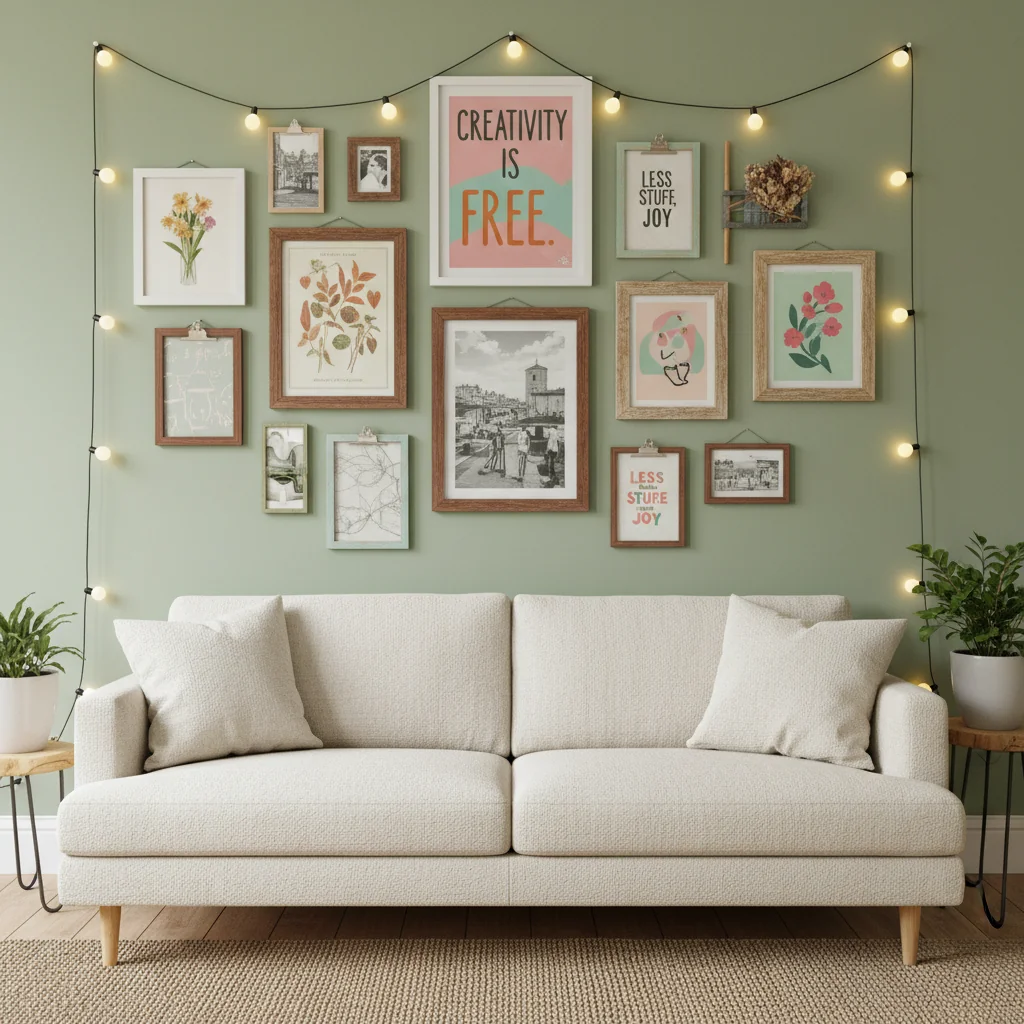
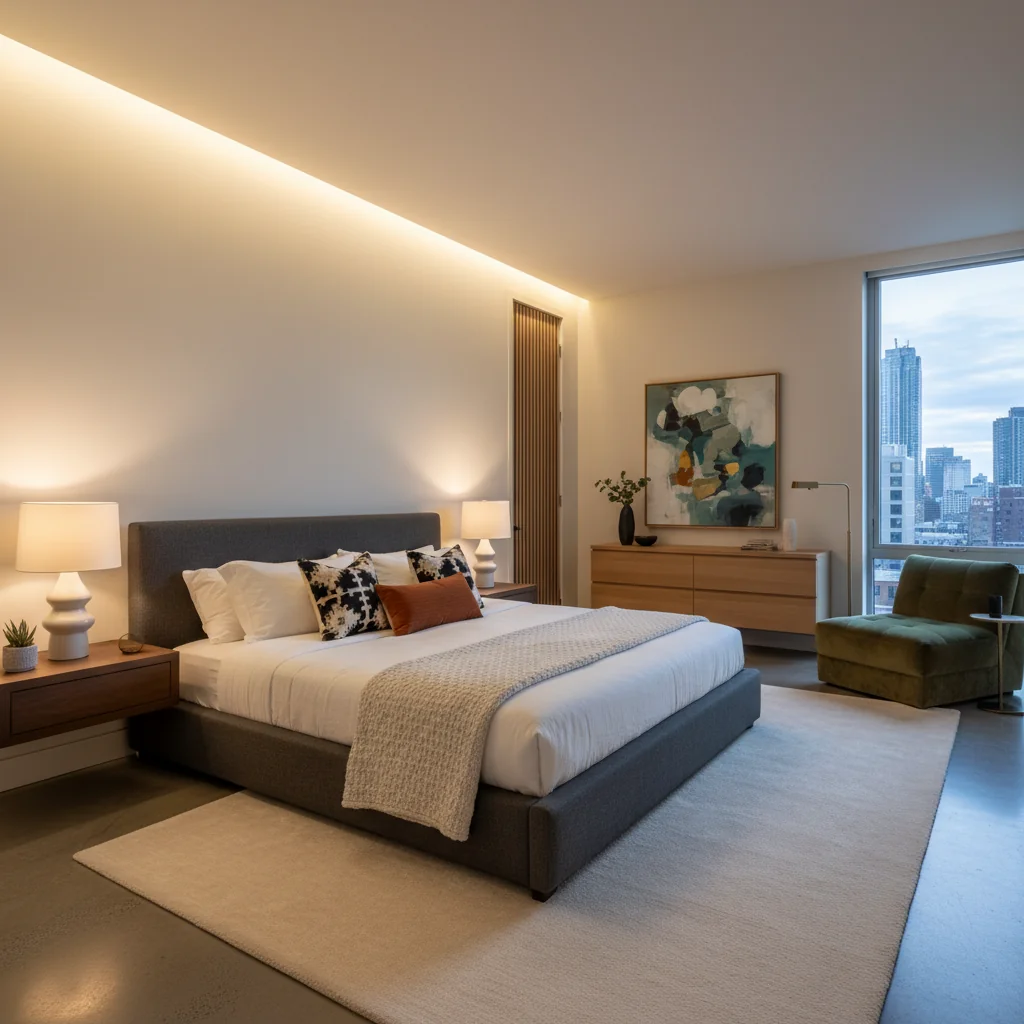
An accent wall is more than just a splash of contrasting color; it's a deliberate design statement, a focal point chosen with precision to guide the eye and define the purpose of a space. It can be a visual anchor, drawing attention to a cherished architectural feature like a fireplace or built-in shelving, or it can delineate distinct zones within an open-plan layout, transforming a corner into a cozy reading nook or a home office. The placement is paramount. Often, designers instinctively gravitate towards the longest wall, but this isn't always the most effective choice. Instead, identify the wall that already commands attention or the one you *want* to command it. Is there a striking piece of art that deserves a dramatic backdrop? Perhaps a headboard that could be amplified by a deeper hue behind it?When selecting a color for your accent wall, you have several compelling avenues. A bold, contrasting shade can inject dynamic energy, creating a vibrant counterpoint to the room's primary color scheme. Imagine a deeply saturated teal against soft ivory walls—the effect is immediate and striking. Alternatively, a darker or lighter shade from the same color family as the other walls offers a more subtle, sophisticated depth, adding nuance without overwhelming. This monochromatic approach lends an air of understated elegance, allowing textures and furnishings to truly shine. For instance, a rich charcoal gray can ground a room painted in lighter grays, providing a sophisticated backdrop for a collection of treasured art. Speaking of art, an accent wall is the perfect canvas for a carefully curated display. Instead of haphazardly scattering frames, consider how the wall color can enhance your collection, creating a cohesive visual narrative. For those looking to master the art of displaying their memories and aesthetic interests, I've previously outlined strategies for Creating a Gallery Wall on a Budget: Frame Sourcing and Layout Tips, which pairs beautifully with the intentionality of an accent wall. It’s about making a deliberate choice, ensuring that every element contributes to a harmonious and purposeful design.
Practical Application: From Prep to Pristine Finish
Embarking on a painting project, whether a single accent wall or an entire room, requires meticulous preparation. Skimping on this phase is a common pitfall, often leading to frustrating results and wasted effort. Begin by clearing the room as much as possible, moving furniture to the center and covering it thoroughly with drop cloths. Protect your floors with sturdy canvas or plastic sheeting, extending right up to the baseboards. Next, tackle the walls themselves. A thorough cleaning with a mild detergent solution removes dust, grime, and grease, ensuring optimal paint adhesion. Patch any holes or cracks with spackle, sand smooth, and then wipe away any sanding dust. This creates a pristine canvas, allowing your chosen colors to truly sing.Priming is a non-negotiable step, especially when painting over a dark color with a lighter one, dealing with stained walls, or working with fresh drywall. A good quality primer provides a uniform surface, ensures better paint coverage, and often means fewer coats of your more expensive topcoat. When it comes to the paint itself, don't just grab the cheapest option. Investing in high-quality paint not only offers richer pigment and better durability but often requires fewer coats, saving you time and effort in the long run. Consider the finish carefully: matte finishes absorb light, providing a soft, sophisticated look ideal for low-traffic areas or accent walls where you want to minimize imperfections. Eggshell and satin finishes offer a subtle sheen, are more durable, and easier to clean, making them popular choices for living rooms and bedrooms. Semi-gloss and high-gloss finishes are highly durable and reflective, perfect for trim, doors, and kitchens where frequent cleaning is necessary. I remember, early in my career, during a particularly ambitious "Small Space, Big Impact" series for *Urban Nestings*, I tackled a tiny bathroom in a client's apartment. We chose a high-quality semi-gloss for the walls, not just for its moisture resistance, but because its subtle sheen reflected the limited light, making the minuscule space feel surprisingly expansive and bright. The client was initially skeptical of the shine, but the final effect was both practical and visually stunning, proving that the right finish can be as impactful as the color itself.
Beyond the Solid Wall: Creative Techniques & Conscious Choices
While a solid block of color can dramatically transform a room, the realm of paint offers a myriad of creative techniques that push boundaries and add unique character. Consider the allure of a two-tone wall, often achieved by painting the bottom third or half in one color and the remainder in another, separated by a crisp horizontal line or a decorative trim. This approach can visually lower a high ceiling for a cozier feel or add an unexpected architectural detail. Geometric patterns—from bold stripes to intricate chevrons—can inject modern dynamism into a space, requiring careful planning and precise taping, but rewarding the effort with a truly bespoke look. For a subtler textural experience, explore paints with a fine aggregate, or utilize specialized techniques like color washing or rag rolling, which add depth and visual interest without overwhelming the senses. These methods can mimic natural textures or create a soft, diffused effect, lending an artisanal touch to your walls.As a proponent of sustainable organization and design, I also urge homeowners to consider the environmental impact of their paint choices. The industry has made significant strides, offering low-VOC (Volatile Organic Compound) and zero-VOC paints that drastically reduce harmful emissions, creating healthier indoor air quality. These eco-friendly options are often derived from natural materials or utilize water-based formulas, making them a conscious choice for both your home and the planet. Pairing a freshly painted room with thoughtfully chosen sustainable elements further enhances the overall impact. For instance, the renewed vibrancy of a wall can beautifully complement furniture given a new lease on life. If you're pondering how to breathe new life into existing pieces, you might find inspiration in my article on DIY Upholstery Projects: Reviving an Old Armchair with New Fabric and Foam, demonstrating how paint can be part of a broader, more sustainable design philosophy that values repurposing and mindful consumption. By combining strategic color application with innovative techniques and sustainable products, you’re not just painting a wall; you’re crafting a healthier, more expressive, and environmentally responsible home.
Paint remains, unequivocally, one of the most accessible and profound tools in a designer's repertoire for transforming a room. It is a medium that speaks volumes without uttering a sound, capable of sculpting perception, evoking emotion, and defining functionality with a simple sweep of a brush. From understanding the nuanced psychology of color to mastering the strategic placement of an accent wall, and from meticulous preparation to exploring creative techniques and sustainable options, every decision contributes to the final symphony of your space. This isn’t about following trends blindly, but about making informed, deliberate choices that reflect your personal aesthetic and enhance your daily living. A thoughtfully painted room is more than just a fresh coat; it’s a meticulously designed backdrop for your life, offering comfort, inspiration, and a tangible sense of order. The power truly lies in your hands, ready to be unleashed with a can of paint and a clear vision. SCORE: 9.2/10
Key Facts
| Average Cost of Paint per Gallon | $30 - $70 |
| ROI of Interior Painting | 50% - 80% (when selling) |
| Average Time for Room Prep | 2-4 hours per room |
| VOC Reduction in Low-VOC Paints | Typically 50-200 grams/liter |
| Visual Space Expansion (Light Colors) | Up to 10-15% |
| Accent Wall Design Impact | Creates immediate focal point & zone definition |
| Paint Coverage per Gallon | 350-400 sq ft (one coat) |
| Lifespan of Quality Interior Paint | 5-10 years |