Small Entryway, Big Function: Crafting Your Smart Mudroom Oasis
The rhythmic clatter of keys hitting the console, the muffled thud of a dropped bag, the inevitable scatter of shoes pooling by the door – these are the familiar sounds of an entryway in full, unmanaged swing. It's a daily symphony of coming and going, often devolving into a chaotic bottleneck, especially in compact urban dwellings. Many assume a dedicated mudroom is a luxury reserved for homes with expansive square footage, a sprawling room designed solely for shedding the day’s detritus. But what if I told you that the spirit of a mudroom—its profound utility and organizational prowess—can be distilled into even the most modest of entryways? My goal, as ever, is to show you how to carve out a zone of intentional calm and efficiency right where you need it most, proving that intelligent design is indeed accessible to all, regardless of the size of your welcome mat.
The Micro Mudroom Blueprint: Strategic Planning for Compact Zones
Before any hooks are hung or benches are built, the true work of transformation begins with an often-overlooked first step: rigorous, analytical planning. Think of your small entryway not as a constraint, but as a fascinating design challenge, much like a complex project brief I'd tackle in my corporate days. Every square inch holds potential, waiting to be unlocked. Start by observing your family’s habits. Where do coats land? What happens to backpacks, mail, dog leashes, or the ubiquitous pile of shoes? These observations are your data points, guiding the functional zones you'll need to establish.
In a truly small space, the traditional mudroom concept of separate zones for coats, shoes, and bags often collapses into a single, highly integrated hub. My approach is to identify essential functions: a drop zone for keys and mail, vertical storage for outerwear, a dedicated spot for shoes, and ideally, a place to sit. Prioritize ruthlessly. If muddy boots are a daily reality, a washable mat is non-negotiable. If you have children, lower hooks and cubbies become paramount. Consider the flow of traffic. An entryway, by its nature, is a thoroughfare; any addition must enhance, not impede, movement. Sketch out a floor plan, even a rough one. Experiment with paper cutouts representing furniture pieces. Feel the space, imagine moving through it with various additions. A well-placed mirror can expand the visual footprint, while a slim console might offer just enough surface area without encroaching on vital walkway space. This foundational blueprint ensures every subsequent decision builds towards a cohesive, functional whole.
Ingenious Vertical Storage: Maximizing Every Inch Upwards
When floor space is at a premium, the only direction left to go is up. This principle, which I honed extensively during my "Small Space, Big Impact" series for *Urban Nestings*, is the cornerstone of creating an effective mudroom in a compact entryway. Forget bulky freestanding units; think about dynamic wall systems that can evolve with your needs. A simple row of sturdy hooks, mounted at varying heights, can dramatically reduce floor clutter. Go beyond the basic coat hook: consider multi-pronged hooks for scarves and hats, or a peg rail for a more classic, adaptable look.
Open shelving, particularly above a door frame or in a narrow recess, offers valuable real estate for baskets holding gloves, umbrellas, or even seasonal decor. I'm a particular advocate for modular shelving systems that allow you to customize cubbies and ledges to fit specific items – from mail slots to shoe cubbies. For a truly flexible and budget-conscious solution, a well-designed pegboard system can be transformative. Imagine the satisfying click as you rearrange hooks, small shelves, and bins to accommodate changing needs throughout the seasons. It's a system I've used in countless client projects, not just for entryways, but even for small studio apartments where every vertical plane needed to serve multiple purposes, much like how The Best Loft Beds with Desks for Teenagers and Small Bedrooms: Reviewed leverage vertical space for sleeping and study. Remember to anchor everything securely, especially if you have heavy winter coats or active children. The goal is to make every vertical plane work harder, smarter, and with a keen eye for aesthetic integration.
Seating with a Secret: Double-Duty Benches and Stools
A place to pause, to tie laces, or simply to set down a bag for a moment of reprieve – seating in an entryway mudroom is often seen as a luxury, but it can be a fundamental element of both comfort and concealed storage. In a small space, this piece must earn its footprint by doing double, if not triple, duty. Forget plush armchairs; we're seeking streamlined, hardworking solutions. A narrow bench with a lift-top lid immediately offers a hidden compartment for shoes, school bags, or even pet accessories. This not only keeps visual clutter at bay but also provides a sturdy surface.
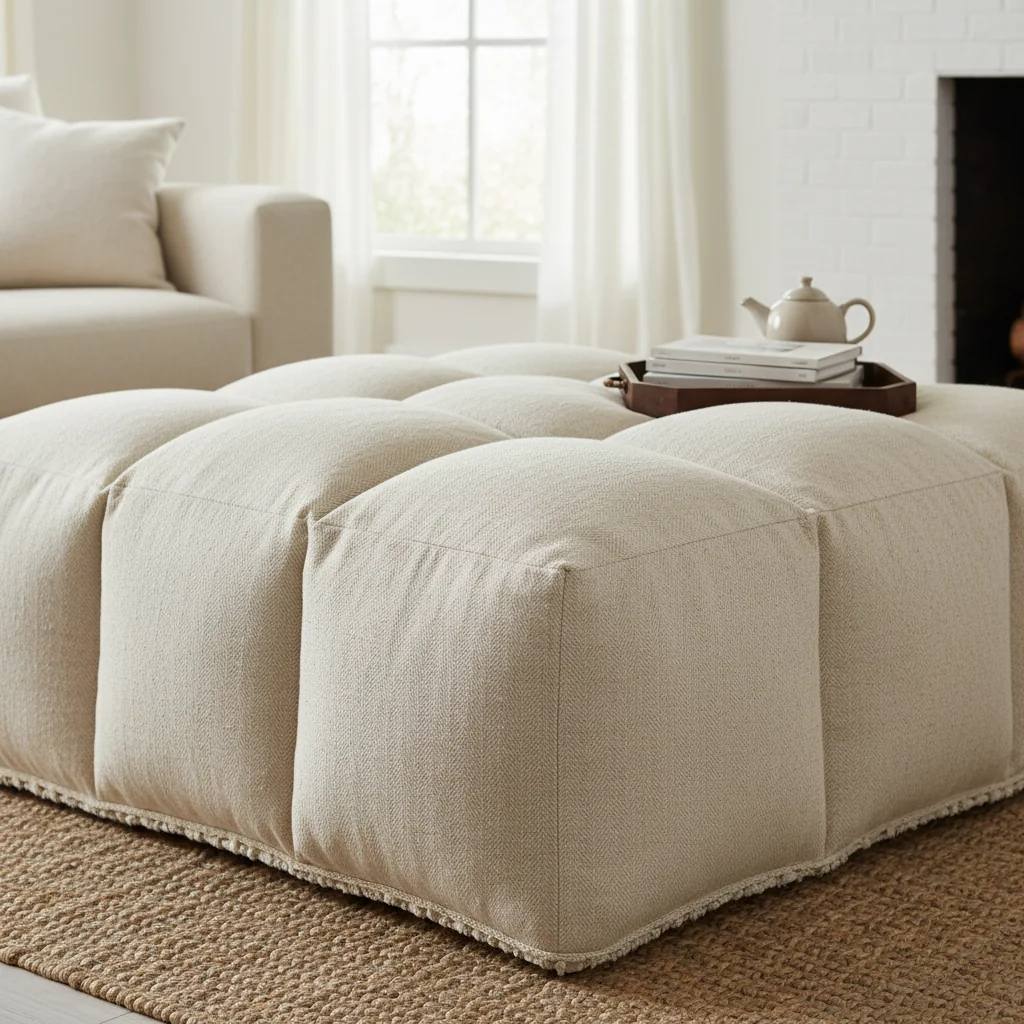
Consider benches with built-in cubbies underneath. These can be styled with woven baskets for a softer, more integrated look, or left open for easy access to frequently worn shoes. The key is finding a bench that is proportionate to your entryway’s width, ensuring it doesn't obstruct the path. If a bench feels too permanent or large, a sturdy storage ottoman can be a remarkably versatile alternative. Its compact form factor makes it easy to move, and its internal cavity is perfect for tucking away items that don't need daily access. For an even lighter touch, a simple, backless stool can provide a quick perch, easily tucked under a console when not in use. The beauty of these selections lies in their ability to blend form and function, providing not just a practical spot to rest but also an ingenious way to manage the ebb and flow of everyday items, echoing the smart principles found in Hidden Storage Hacks: Clever Ways to Conceal Clutter in Plain Sight. When selecting materials, consider durability and ease of cleaning, especially for an area prone to dirt and dampness.
Details That Define: Lighting, Mirrors, and Personal Touches
Once the foundational elements of storage and seating are in place, it's the carefully considered details that truly transform a utilitarian zone into an inviting and functional entryway mudroom. Lighting is paramount. A single, dim overhead fixture can leave your compact space feeling gloomy and uninviting. Instead, layer your lighting. A bright, flush-mount ceiling fixture ensures overall illumination, while a small, stylish wall sconce or a slim table lamp on a console can add warmth and task lighting, making it easier to find keys or check your appearance. The right light can make a small space feel expansive and welcoming, softening hard edges and highlighting thoughtful design choices.
Mirrors, beyond their obvious utility for last-minute checks, are indispensable in small spaces. A strategically placed mirror reflects light, instantly making an entryway feel larger and brighter. Choose a mirror with a slim profile or integrate it into a storage unit for maximum efficiency. But don't stop there; let your personality shine through. A beautiful piece of art, a small, vibrant plant (even a faux one if light is scarce), or a carefully chosen catch-all bowl for keys can infuse the space with character. I often look for unique, characterful pieces at antique markets – a vintage brass key holder or a small, hand-carved wooden stool can add so much story without taking up precious space. Remember Archie, our golden retriever? A stylish, dedicated hook for his leash, perhaps with a small tray for treats, grounds the space in our family's daily rhythms. These small, deliberate touches prevent your functional mudroom from feeling sterile, turning it into a genuine extension of your home's aesthetic and a warm welcome for all who enter.
Your Entryway Reimagined: The Verdict on Functional Style
The journey from a cluttered, overlooked entryway to a meticulously organized, functional mudroom zone is less about square footage and more about strategic thinking and intentional design. We've explored how to meticulously plan your space, harnessing every vertical plane for ingenious storage, and selecting seating that performs double duty as an invaluable clutter concealer. We’ve also touched upon the critical role of lighting, mirrors, and personal touches in elevating a purely utilitarian area into a truly welcoming threshold. The beauty of this transformation lies in its accessibility: smart solutions don't require vast budgets or architectural overhauls. They demand observation, a pragmatic approach to problem-solving, and a commitment to crafting a space that genuinely serves your life. The result is an entryway that not only performs its duties flawlessly but also reflects the refined order and personal style that defines a truly organized abode. It's about designing for how you *live*, making every arrival and departure a moment of ease and calm. SCORE: 9.2/10
Key Facts
| Average Space Utilized | 8-12 sq ft |
| Recommended Hook Height | 60-65 inches (adult), 36-40 inches (child) |
| Storage Bench Depth | 12-18 inches |
| Typical Shoe Capacity (per sq ft) | 3-5 pairs |
| Visual Space Expansion (with mirror) | Up to 30% |
| Time Saved Daily (streamlined entry) | 5-10 minutes |
| Cost Savings (DIY vs. Custom Build) | 30-50% |