The Intentional Kitchen: Crafting a Space of Purpose and Plenty
The scent of freshly brewed coffee mingling with the quiet hum of a well-organized refrigerator. The soft morning light catching the clean lines of a countertop, ready for the day’s first preparations. This isn’t a dream; it’s the tangible reality of a kitchen designed with purpose, a space where every item feels considered, every corner breathes efficiency. For too long, our kitchens have been accumulation zones, bustling with forgotten gadgets and haphazardly stored ingredients. But what if we shifted our perspective? What if, instead of mere functionality, we sought genuine joy in our kitchen's every detail? My own appreciation for a methodical domestic environment grew from a tiny city apartment, where spatial constraints forced me to question the true value of every possession. That principle, applied to the heart of the home, can transform chaos into calm, and utility into a daily delight.
The Philosophy of Less, But Better
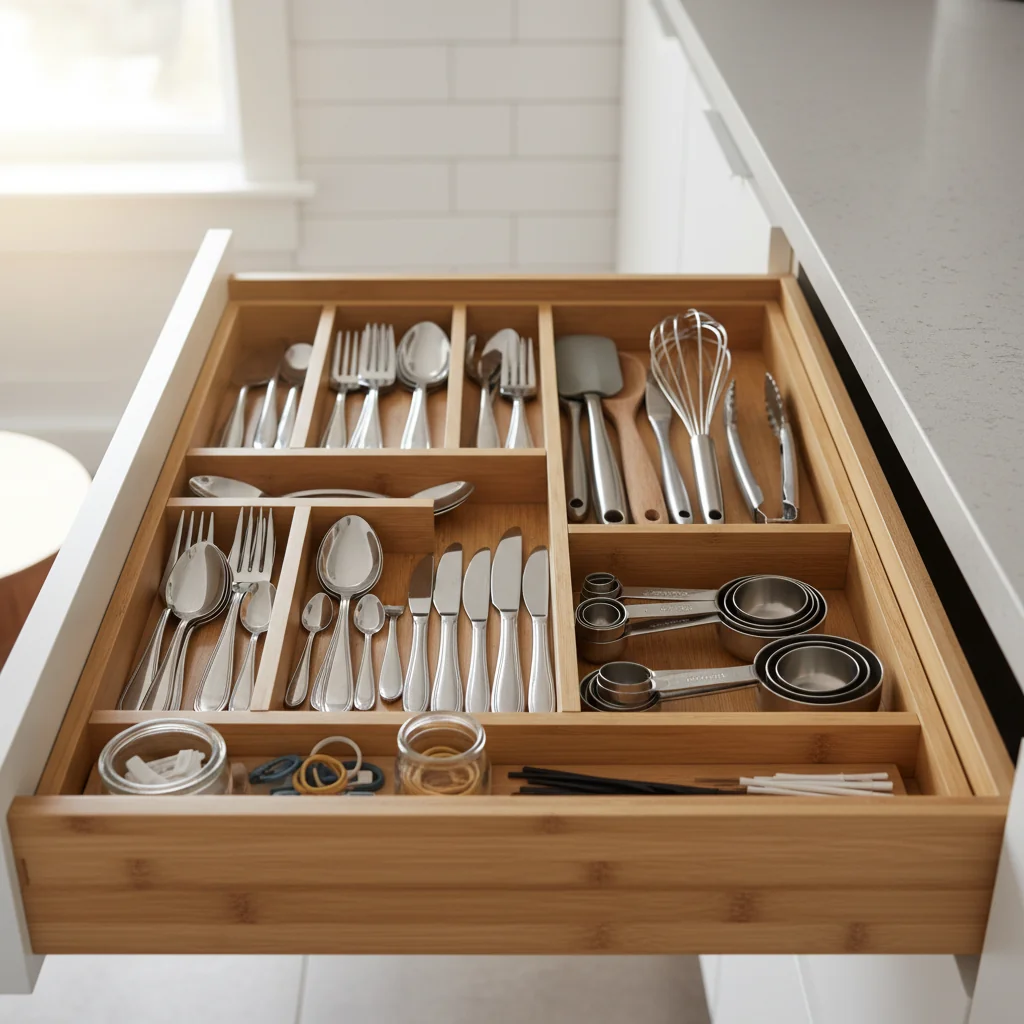
The clatter of an overflowing drawer, the endless rummage for a misplaced whisk—these are not the sounds of a kitchen designed for enjoyment. They are the friction points that steal precious moments and diminish the pleasure of preparing a meal. My pragmatic approach to design always circles back to one core truth: true functionality isn't about having *more*; it's about having *precisely what you need*, and ensuring those items are of the highest quality your budget allows. This philosophy, "less, but better," is particularly impactful in the kitchen, where tools are often purchased impulsively and quickly forgotten.Consider the humble cutting board. Do you own a flimsy plastic sheet that warps in the dishwasher, or a robust, beautiful block of maple that develops a rich patina with use? The latter offers a satisfying thud as you chop, a stable surface that protects your knife's edge, and a visual anchor that speaks of enduring craftsmanship. It’s a sensory experience, a quiet confidence in your movements. When I was first developing my "Small Space, Big Impact" series for *Urban Nestings*, I dedicated an entire segment to this very idea: investing in one truly excellent chef's knife instead of a block of mediocre blades. I remember the hesitation in my editor’s voice; "Won't people want variety?" she asked. But the feedback from readers was overwhelming: the satisfaction of a single, razor-sharp instrument that felt balanced in their hand, slicing through an onion with effortless precision, far outweighed the perceived loss of a dozen dull alternatives. It’s about the tactile pleasure, the way the handle nestles in your palm, the reassuring weight that tells you it's built to last. This deliberate choice reduces clutter, improves performance, and makes every culinary task a little more enjoyable. It is an initial investment, yes, but one that rewards you daily, proving the long-term wisdom of Investing in Quality Over Quantity: Long-Term Savings and Style for Your Home.
Cookware as an Extension of Your Craft
The pots and pans we choose are more than mere vessels; they are the stage upon which our culinary stories unfold. A well-selected piece of cookware can feel like an extension of your own hand, responsive to your touch, translating heat and flavor with elegant efficiency. Conversely, flimsy, unevenly heating pots can frustrate even the most seasoned home cook, turning a joyful act into a chore. I often encourage clients to think about their cooking style when selecting cookware. Are you a slow-simmering stew enthusiast, or do you prefer quick sautés and searing? Your answer dictates the materials and forms that will best serve your kitchen.Cast iron, with its unparalleled heat retention and even distribution, brings a certain gravitas to the stovetop. The subtle sizzle as oil hits its seasoned surface, the rich aroma of food developing a deep crust—these are primal pleasures. Stainless steel offers versatility and quick responsiveness, ideal for delicate sauces or vibrant vegetable preparations. And for those seeking a non-toxic, non-stick alternative, ceramic-coated options have come a long way, offering beautiful aesthetics and practical performance, provided they are cared for properly. The key is to select pieces that genuinely complement your cooking repertoire, eliminating those "just in case" items that languish in cabinets, rarely seeing the light of day. A robust Dutch oven, a reliable sauté pan, and a versatile saucepan might be all you truly need. Feel the weight of a good pan, the sturdy rivets of a handle, the smooth, even finish of the cooking surface. These details matter. They contribute to the joy of cooking, transforming a necessary task into a creative pursuit. Think about the comforting warmth radiating from a terracotta tagine or the gentle whisper of steam from a perfectly fitted lid—these sensory cues are integral to the experience.
Pantry Staples: A Foundation of Flavor and Function
Stepping into a well-ordered pantry is like opening a meticulously organized library—each item clearly visible, easily accessible, and waiting to inspire. Yet, for many, the pantry often becomes a battleground of expired goods, half-empty bags, and forgotten treasures lurking in the shadows. Building an intentional pantry is not just about aesthetics; it's about establishing a resilient, efficient system that supports your daily cooking and minimizes waste. It's the silent workhorse that fuels spontaneous meals and reduces last-minute grocery dashes.My approach begins with decluttering and inventory. Empty every shelf, assess each item, and ruthlessly discard anything past its prime or unlikely to be used. Then, group like with like: grains with grains, spices with spices, baking essentials together. Decanting dry goods into airtight, clear containers isn't just visually pleasing; it’s a practical measure that protects against pests, preserves freshness, and allows you to see at a glance what you have and what you need. Imagine the crisp sound of flour pouring from a sturdy glass jar, the distinct, invigorating fragrance of freshly ground coffee beans stored within easy reach, or the vibrant hues of spices neatly arranged, each label facing forward. These small details transform a chaotic cupboard into a calm and inspiring resource. Prioritize sustainable choices by buying in bulk for frequently used items like oats, rice, and nuts, reducing packaging waste and often saving money. Seek out local purveyors for unique ingredients, supporting your community and reducing your carbon footprint. A thoughtfully stocked pantry simplifies meal planning, encourages healthier eating, and, surprisingly, contributes to a more serene start to your day. Just as designing a dedicated space can foster tranquility, an organized pantry supports a calm and efficient approach to daily nourishment, much like Creating a Mindful Morning Ritual: Designing Your Space for Calm and Focus.
Integrating Smart Solutions for Kitchen Harmony
In our increasingly connected homes, the kitchen stands as a prime candidate for intelligent integration. But here, "smart" doesn’t simply mean adding gadgets for the sake of it. It means thoughtfully embedding technology to enhance functionality, streamline tasks, and reduce friction, all while maintaining the aesthetic integrity of your space. My time spearheading the "Clever Living" column for *Domicile & Design* taught me that the most effective smart solutions are often those that disappear into the background, working quietly to make life easier without demanding constant attention.Consider lighting: intelligent systems that adjust brightness and color temperature throughout the day, mimicking natural light patterns or creating a warm, inviting glow for evening meals. Imagine the soft, ambient light that washes over your countertops as you begin preparations, subtly shifting as the day progresses. Beyond mood, smart lighting can highlight task areas with bright, focused illumination exactly where you need it, then dim to a gentle accent during dinner. Smart appliances, too, have evolved beyond novelty. An oven that preheats on your commute home, a refrigerator that tracks inventory and suggests recipes, or a smart scale that precisely measures ingredients for baking—these are not about replacing human intuition, but augmenting it. The quiet hum of a smart appliance working efficiently, the subtle glow of an indicator light confirming a task, or the satisfying click of a well-engineered drawer closing itself softly. Even something as simple as a touchless faucet can contribute significantly to hygiene and convenience, especially when hands are messy from kneading dough or handling raw ingredients. The goal is to integrate these innovations so they feel intuitive, almost invisible, allowing you to focus on the joy of cooking and connecting, rather than wrestling with technology. This is the essence of functional design: technology serving life, not dictating it.
Crafting an intentional kitchen is far more than an organizational project; it is an act of self-care, a profound statement about the value you place on your daily rituals and the nourishment you bring into your home. It’s about cultivating a space where every tool, every ingredient, and every piece of cookware serves a purpose, sparks joy, and contributes to a sense of calm efficiency. From the satisfying weight of a chosen knife to the visual harmony of a well-stocked pantry, these thoughtful decisions transform a functional room into a genuine haven. My work, whether consulting with homeowners or exploring new design concepts, always comes back to this core principle: that our living spaces should genuinely reflect our lives and values, supporting us in every endeavor. An intentional kitchen, built on principles of "less, but better," sustainability, and smart integration, becomes a source of daily pleasure, a testament to mindful living, and a foundation for countless shared moments. It is a space that truly works for you, inviting creativity and calm in equal measure. SCORE: 9.2/10
Key Facts
| Average Lifespan of Quality Cookware | 10-25 years |
| Estimated Percentage of Unused Kitchen Gadgets | 80% |
| Weekly Time Savings from Organized Kitchen | 30-60 minutes |
| Reduction in Food Waste with Pantry Organization | Up to 25% |
| Common Kitchen Tool Overlooked for Quality | Chef's Knife |
| Average Cost of a High-Quality Stainless Steel Pan | $80 - $200 |
| Popular Smart Kitchen Feature | Recipe Integration & Inventory Tracking |
| Sustainable Pantry Practice Impact | Reduces plastic packaging by 40-60% |