Plastic-Free Kitchen: Smart Swaps for Storage, Wraps & Utensils
The faint, chemical scent of new plastic, the slightly oily film left on a freshly unwrapped item—these are subtle sensory cues we’ve learned to accept in our kitchens. But what if we didn't have to? For years, I've approached interior design and home organization as a quest for both beauty and pragmatic efficiency. And lately, that quest has led me away from the ubiquitous plastic that often clutters our most vital domestic space. It's not just about aesthetics; it's about creating an environment that genuinely supports health, sustainability, and an enduring sense of calm. Embracing minimized plastic kitchen swaps means making deliberate, thoughtful choices that elevate the everyday.
The crisp snap of a plastic container lid, the transparent gleam of newly purchased food-grade bins—these once symbolized modern convenience. Yet, beneath this veneer lies a truth that increasingly demands our attention. Plastic, particularly in the kitchen, brings with it a complex array of environmental concerns, from its fossil fuel origins to its slow, agonizing decomposition in landfills, fragmenting into microplastics that infiltrate our soil, water, and even our bodies. Furthermore, the chemicals often present in plastic—BPA, phthalates, and others—raise legitimate questions about their migration into food, especially when heated or exposed to acidic ingredients. The desire for a beautifully functional home necessitates a closer look at these realities.
My approach, honed over years of helping clients transform their spaces, isn't about radical overhaul, but intelligent transition. We can begin by addressing storage, a cornerstone of kitchen organization. Imagine opening a cupboard to find uniform, clear glass jars, their contents sparkling, or sturdy stainless steel containers neatly stacked, cool to the touch. These aren't just visually superior alternatives; they are inherently more durable, endlessly reusable, and free from the chemical leaching concerns associated with many plastics. Glass, with its non-porous surface, resists odors and stains, ensuring that last night's curry doesn't flavor tomorrow's oats. Stainless steel, robust and lightweight, is ideal for packed lunches or freezer storage. Even ceramic crocks, weighty and grounding, offer a rustic elegance for dry goods or fermented foods. The quiet clink of glass against glass, the solid feel of metal in hand—these small tactile shifts create a more intentional, sophisticated kitchen experience. It's about choosing materials that stand the test of time, reducing waste, and reflecting a deeper commitment to how we interact with our homes and the wider world.
For generations, cling film and zipper-lock bags reigned supreme as the undisputed champions of food preservation. Their transparent embrace promised freshness, their disposability offered ease. But for those of us striving for a more considered home, the sheer volume of single-use plastic generated by these items became increasingly difficult to reconcile. The crinkling sound of plastic wrap being torn, the frustrating stickiness that often leads to waste, the knowledge that each discarded piece contributes to an escalating environmental burden—these sensations nudged me, and many of my clients, towards more sustainable alternatives.
The market has blossomed with ingenious solutions that are not only kinder to the planet but often more aesthetically pleasing and functionally superior. Beeswax wraps, with their subtle honeyed scent and pliable texture, are a delightful replacement for cling film. Warming them slightly with your hands allows them to mold perfectly over bowls or around produce, creating a breathable seal that keeps food fresh longer. Silicone covers, often found in various shapes and sizes, stretch over containers, offering an airtight barrier that can withstand both freezer cold and microwave heat. Their smooth, slightly rubbery feel is distinct, and they clean up with remarkable ease. For meal prep or packed lunches, reusable silicone bags are a revelation. They stand upright for easy filling, seal securely, and can be washed and reused countless times. I still remember the satisfaction of replacing a drawer overflowing with flimsy plastic bags with a neat stack of colorful silicone alternatives. It felt like a small, personal victory, transforming a point of frustration into one of genuine organizational pride. And for produce, those delicate mesh bags, breathable and gentle, keep fruits and vegetables happy in the refrigerator, eliminating the need for single-use plastic bags at the grocery store. These swaps aren't just about replacing; they're about upgrading, adding a touch of thoughtful design to the mundane act of preserving food.
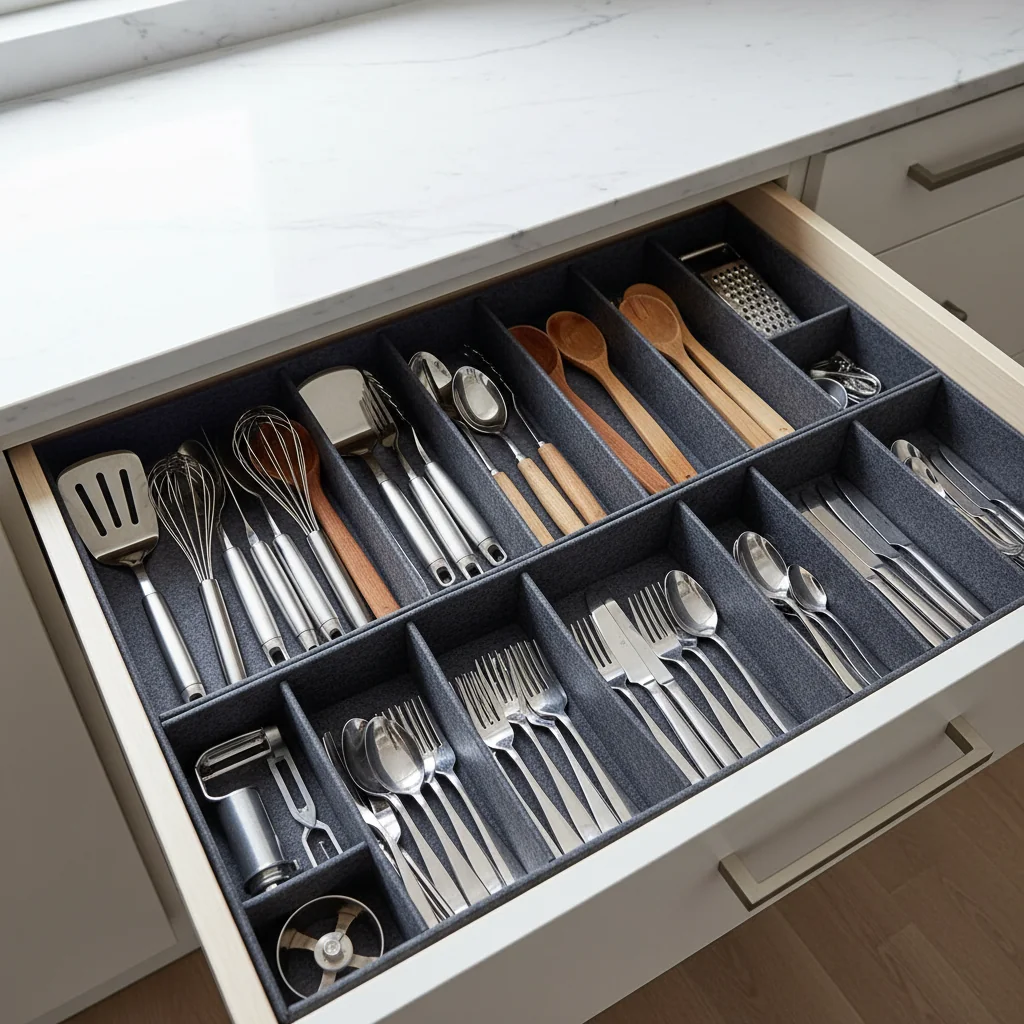
Consider the humble utensil drawer. For many years, it was a medley of plastic spatulas, nylon serving spoons, and perhaps a few mismatched plastic measuring cups. While initially inexpensive and lightweight, these items often reveal their true cost over time: staining, warping from heat, and the inevitable degradation that leads to microplastic shedding into our food. The visual cacophony of brightly colored, mass-produced plastic implements often clashes with the serene, refined aesthetic many of us aspire to in our kitchens. A truly organized abode values not just order, but the integrity and longevity of its components.
Swapping out plastic utensils offers an immediate upgrade in both feel and function. Wooden spoons and spatulas, crafted from bamboo or beech, offer a warm, organic presence. Their smooth, natural grain feels comforting in the hand, and they are gentle on non-stick cookware, avoiding scratches. The faint, earthy aroma of new wood adds a subtle sensory layer to cooking. For stirring, sautéing, and serving, stainless steel tools provide unmatched durability and a sleek, professional appearance. Their cool, weighty feel speaks of quality, and they are incredibly easy to clean, resisting stains and odors. Food-grade silicone, distinct from its less robust plastic cousins, also has a place, particularly for heat-resistant spatulas and whisks. Its flexible, soft texture is ideal for scraping bowls clean or folding delicate ingredients, without the worry of melting or leaching. Even something as simple as replacing plastic measuring cups with glass or stainless steel versions brings a tangible sense of solidity and precision to baking and cooking. Each time you reach for a wooden spoon, feel the cool weight of a stainless steel ladle, or deftly scoop with a silicone spatula, you’re not just using a tool; you're engaging with a piece that reflects thoughtful design and a commitment to a more sustainable, refined way of living. This mindful selection contributes to the overall tranquility and intentionality of your space, much like carefully chosen furnishings can transform a living area. In fact, understanding the longevity and impact of materials in your kitchen naturally extends to other areas; for those considering similar principles in their broader home design, exploring a Sustainable Furniture Buying Guide: What to Look For in Eco-Friendly Materials and Brands can offer invaluable insights.
Transitioning to a minimized plastic kitchen doesn't require a complete overnight overhaul. Such a drastic approach can feel overwhelming and counterproductive to the very idea of creating a calm, organized space. Instead, I advocate for a gradual, deliberate shift, much like the measured steps one takes in any functional design project. Begin by identifying your biggest plastic pain points. Is it a chaotic collection of mismatched food containers? A constant demand for plastic wrap? The slow decay of your favorite spatula? Prioritizing these areas makes the first swaps feel most impactful.
One effective strategy I often recommend is the "one in, one out" rule, or more accurately, "plastic out, sustainable in." As your existing plastic items wear out, break, or simply reach the end of their useful life, replace them with a non-plastic alternative. This prevents unnecessary waste and spreads the cost over time, making it more budget-friendly. Remember, some of my earliest work, featured in *Urban Nestings*, focused on achieving high-end aesthetics on a shoestring budget. This principle applies here: often, investing in a quality glass container or a set of bamboo utensils, while perhaps more expensive upfront than their plastic counterparts, offers superior durability and longevity, ultimately saving money and reducing waste in the long run. Seek out sales, explore independent home goods stores, or even delve into antique markets—I often find unique, sturdy ceramic bowls or vintage glass jars that are perfect for dry goods.
I recall a specific moment, years ago, when I was first redesigning my own small city apartment. My tiny kitchen felt perpetually cluttered, not just with items, but with the visual noise of mismatched plastic containers, lids perpetually lost, and a drawer full of flimsy take-out cutlery. It was an overwhelming plastic cacophony that contradicted my efforts to create a serene, functional space. That frustration was a catalyst. I started by systematically replacing one category at a time, beginning with food storage. The visual relief and newfound sense of order were immediate and profound. It wasn't just about the absence of plastic; it was about the presence of intention. This mindful approach extends beyond the kitchen, influencing how we design other areas of our homes for clarity and purpose, perhaps even inspiring us to consider The Benefits of a Digital Detox Zone: Designing a Screen-Free Haven at Home to further reduce visual and mental clutter. Embracing these minimized plastic kitchen swaps is more than an eco-conscious choice; it's an investment in the tangible comfort, beauty, and enduring functionality of your home.
The journey towards a minimized plastic kitchen is a powerful expression of intentional living. It’s a deliberate choice to move beyond fleeting convenience and embrace materials that resonate with longevity, health, and authentic design. Each smart swap—from the reassuring weight of a glass food container to the organic warmth of a wooden utensil—contributes to a more harmonious, visually appealing, and ultimately more sustainable culinary space. You're not just organizing; you're cultivating an environment that truly reflects discerning taste and a commitment to mindful consumption. The result is a kitchen that feels lighter, functions more elegantly, and inspires a deeper connection to the food we prepare and the home we cherish. It proves that refined order and personal style are indeed accessible to all, simply by making smarter choices.
SCORE: 9.3/10
Key Facts
| Global Plastic Production (Annual) | 400+ million metric tons |
| Household Plastic Waste Recycled (USA) | Less than 10% |
| Microplastics in Human Diet (Annual) | 39,000 to 52,000 particles |
| Lifespan of Glass/Stainless Steel Storage | Decades (if cared for) |
| Lifespan of Beeswax Wrap | 6-12 months (reusable) |
| Cost Savings (Long-term swaps) | Up to 50% over 5 years |
| Consumer Preference for Sustainable Packaging | 70% (global survey) |