Smart Plugs or Switches? Powering Your Automated Home & Saving Energy
Imagine walking into your home as the evening light softens, and with a simple command, the perfect ambient glow fills the living room. No fumbling for switches, no harsh overhead glare – just instant, tailored comfort. This isn't a scene from a futuristic film; it's the everyday reality of a smart home. The quest for this effortless control, for a space that anticipates your needs and conserves energy, often begins with a fundamental decision: smart plugs or smart switches? Each offers a distinct path to automation, promising convenience and efficiency, yet their integration into your home’s infrastructure, and indeed, into your daily rhythm, is vastly different. Understanding these differences isn’t merely about tech specs; it’s about crafting a dwelling that truly resonates with your life.
The Agile Adaptability of Smart Plugs: Instant Gratification for a Flexible Home
The allure of the smart plug lies in its sheer simplicity and immediate impact. It slips into an existing wall outlet, a discreet sentinel, ready to transform any conventional appliance into a voice-controlled, schedule-aware marvel. From the soft whir of a fan that powers down precisely at midnight to the comforting warmth of a coffee maker brewing before your alarm sounds, smart plugs offer a low-commitment entry point into the world of home automation. They are the versatile players in your smart home orchestra, easily moved from one room to another, from one season’s need to the next.Consider the practical implications: you bring home a treasured vintage lamp from an antique market, its delicate glass shade whispering tales of yesteryear. You love its character, but you crave the modern convenience of turning it on with your voice. A smart plug is the answer. It requires no rewiring, no complex installation, just a quick pairing with your home’s Wi-Fi network. The satisfying *snap* as it clicks into the receptacle signals a tiny revolution for that lamp. It’s a solution particularly suited for tenants or anyone hesitant to alter their home’s electrical framework. My own early experiences with automating my apartment in Seattle, during the "Small Space, Big Impact" series for *Urban Nestings*, often hinged on smart plugs. They allowed me to experiment with automated lighting scenes and even control a small space heater without any permanent modifications, demonstrating just how much functionality could be squeezed from limited square footage.
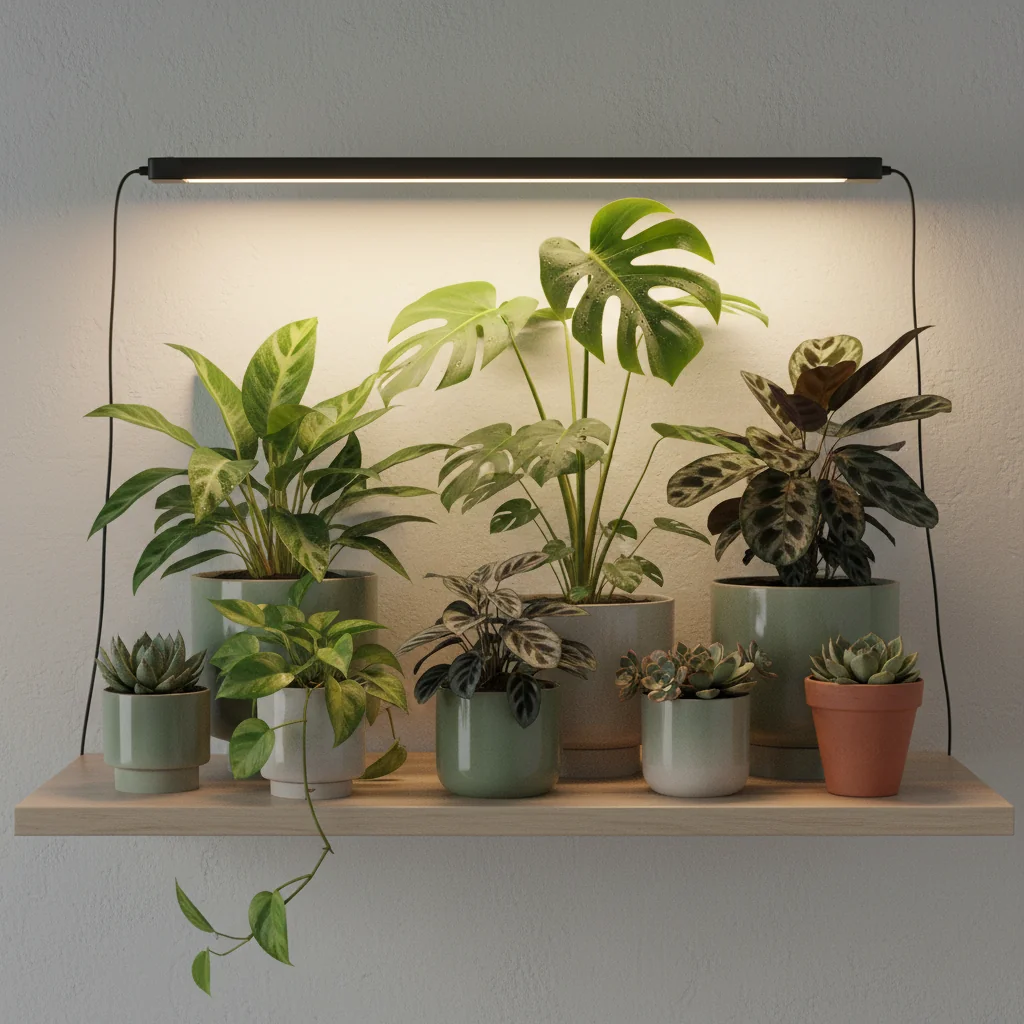
Beyond lamps and small appliances, smart plugs excel at managing energy vampires – those devices that silently draw power even when turned "off." By scheduling them to completely cut power during off-peak hours or when you’re away, you can feel the subtle shift in your energy bill, a small but tangible victory for both your wallet and the planet. They also offer a fantastic solution for automating temporary setups, like festive holiday lights that need to glow only during specific hours, or the occasional humidifier. Imagine the gentle mist from a humidifier, scheduled to activate for an hour each evening, silently conditioning the air as you settle in, then powering down without a second thought. For those exploring the burgeoning field of indoor horticulture, a smart plug can even manage grow lights for houseplants, providing precise light cycles without constant manual intervention – a perfect complement to The Rise of Smart Gardening: Automated Watering Systems & Grow Lights for Indoor Plants. While they offer unparalleled flexibility and ease, their presence as an external adapter can sometimes feel less integrated, a small bump on the wall, rather than a seamless part of the home's architecture.
The Integrated Elegance of Smart Switches: Permanent Presence, Unified Control
Where smart plugs offer a quick, visible adaptation, smart switches embody a more fundamental transformation. They replace the conventional wall switches that have governed our lighting for decades, becoming an integral, often invisible, part of your home’s electrical infrastructure. The initial impression is one of clean lines and thoughtful design. No bulky adapters protruding from the wall; just a sleek, often touch-sensitive or button-less plate that blends into the existing decor. This aesthetic cohesion is a significant draw for anyone seeking a truly refined and organized abode.The experience of interacting with a smart switch is distinct. There's the satisfying, soft *click* of a physical button or the gentle *tap* on a capacitive surface, followed by the immediate, silent response of the lights. It feels substantial, permanent. Unlike a smart plug that controls a single, specific outlet, a smart switch takes command of an entire circuit. This means if your living room has six recessed lights wired to one switch, replacing that single switch grants you automated control over all six lights simultaneously. This capability extends beyond simple on/off functions. Many smart switches offer advanced dimming capabilities, allowing you to fine-tune the illumination to match any mood or task – from a bright, focused light for reading to a warm, soft glow for an evening of quiet contemplation. The subtle shift in light intensity as it responds to your voice command or a pre-set schedule adds a layer of sophistication that smart plugs, by their nature, cannot replicate for hardwired fixtures.
My work curating the "Future of Functional Homes" exhibit at the Seattle Design Festival deeply explored these deeper integrations. We showcased how smart switches, paired with motion sensors, could create truly intuitive spaces where lights anticipated your entry and dimmed subtly as you exited a room, responding to human presence with an almost organic intelligence. This level of environmental awareness transforms a mere convenience into a foundational element of home comfort and efficiency. While the installation of a smart switch requires a bit more effort – often involving basic electrical knowledge or the help of a professional – the payoff is a superior aesthetic and a more robust, integrated control system that feels genuinely part of the home's fabric. For a discerning homeowner, the appeal of a beautifully functional living space often hinges on these subtle, yet profound, distinctions.
Beyond the Basics: Direct Comparison for Strategic Implementation
The true distinction between smart plugs and smart switches emerges not just in their form factor, but in their functional depth and long-term implications for your home’s ecosystem. When we compare them head-to-head, a clearer picture of their ideal applications comes into focus, guiding us toward the optimal choice for specific needs and desired outcomes.**Installation & Permanence:** Smart plugs are the undisputed champions of easy installation. You simply plug them in, connect to your Wi-Fi, and you’re ready. This portability means they can be moved at will, adapting to changing needs or even accompanying you if you move. Smart switches, conversely, require a direct replacement of your existing wall switch, often involving basic wiring knowledge and ensuring your home has a neutral wire in the switch box. This makes them a more permanent fixture, a modification to your home's actual infrastructure. For homeowners, this permanence adds value and aesthetic appeal, but for renters, it's typically not an option without landlord permission.
**Aesthetics & Integration:** Here, smart switches largely dominate. By replacing the existing switch plate, they maintain a clean, integrated look that blends into your wall. Many come in various finishes and styles, from sleek touch panels to traditional toggle designs, ensuring they complement your decor. Smart plugs, by their nature, protrude from the wall. While some designs are more compact than others, they are always a visible addition to an outlet, which can sometimes disrupt a minimalist aesthetic.
**Functionality & Control:** This is where the choice truly hinges on the devices you wish to control. Smart plugs are perfect for lamps, fans, humidifiers, coffee makers, and other small appliances that plug into an outlet. They offer remote on/off, scheduling, and often energy monitoring for the specific device connected. Smart switches, however, are designed for hardwired lighting fixtures – ceiling lights, sconces, recessed lights, and even exhaust fans. They excel at controlling entire rooms or zones of lighting, often with advanced features like dimming, motion detection integration, and multi-way control (where multiple switches control the same light). Imagine creating a "movie night" scene where your living room lights dim to 20% and a string of LED accent lights, connected via a smart plug, activate – a harmonious blend of both technologies.
**Energy Savings:** Both can contribute to energy savings by allowing you to schedule power down times or remotely turn off devices left on accidentally. However, many smart plugs offer granular energy monitoring for the specific device plugged into them, providing real-time data on consumption. This can be incredibly insightful for identifying energy-hogging appliances. Smart switches primarily save energy by ensuring lights aren't left on unnecessarily, or by allowing you to dim lights, reducing their power draw. The choice often comes down to *what* you're trying to monitor and optimize. Are you worried about the phantom draw of your television, or the overall usage of your ceiling lights? The answer dictates the optimal tool.
Weaving Intelligence into Your Home's Infrastructure: Beyond the Purchase
Deciding between smart plugs and smart switches isn't just about the immediate purchase; it's about considering how these devices integrate into the broader tapestry of your smart home, influencing everything from installation effort to long-term security and future expansion. This means thinking about the kind of user experience you desire and the foundational elements supporting it.**Installation Nuances and DIY Considerations:** For smart plugs, the installation is often a matter of minutes. Plug in, download an app, connect to Wi-Fi, and you’re done. This low barrier to entry makes them an attractive option for most homeowners and even renters. Smart switches, however, require a more involved process. You'll need to turn off power at the breaker, remove the old switch, and carefully wire in the new smart switch. While many DIY enthusiasts find this manageable, particularly with clear instructions, for others, the task feels daunting. If your switch box lacks a neutral wire – a common occurrence in older homes – installation becomes significantly more complex, often requiring the expertise of a licensed electrician. This is a critical point that can sway your decision from a weekend project to a professional service.
**Ecosystem Compatibility and Network Reliability:** Both plugs and switches operate within various smart home ecosystems – Wi-Fi, Zigbee, Z-Wave, Thread, Matter. Wi-Fi devices connect directly to your home network, which can sometimes strain bandwidth if you have many devices. Zigbee and Z-Wave devices, often preferred for their dedicated mesh networks, require a central hub but offer greater reliability and less Wi-Fi congestion. Before investing, consider your existing smart home devices. Do you already have an Echo or Google Home that acts as a Zigbee hub? Or are you starting fresh? Ensuring compatibility prevents frustrating dead ends and creates a cohesive, responsive smart environment. A robust network is the backbone of any smart home, and it’s important to remember that these connected devices are only as good as the network supporting them. For those considering a deeper dive into connectivity, understanding how to protect your digital perimeter is paramount: Securing Your Smart Home Network: Essential Tips for Protecting Your Devices.
**Future-Proofing and Home Value:** Integrating smart switches into your home's electrical system offers a more permanent upgrade. They can enhance your home's appeal and potentially its resale value, signaling a modern, well-equipped living space to prospective buyers. They're a foundational element, built to last. Smart plugs, while versatile, are more ephemeral. They offer temporary automation and can easily be removed or replaced. This isn't a drawback if flexibility is your priority, but it highlights the different long-term visions each device serves. Think about your long-term plans: are you looking for flexible, adaptable solutions, or are you investing in a fixed infrastructure that will serve your home for years to come? The answer will heavily influence your ultimate choice.
The choice between smart plugs and smart switches isn't a matter of one being inherently "better," but rather about aligning the technology with your specific needs, the nature of your space, and your appetite for home modification. If you're seeking a low-cost, low-commitment entry into automation for specific, plug-in appliances, or if you rent and need portability, the smart plug is your clear winner. It offers remarkable flexibility and immediate gratification, allowing you to automate everything from a bedside lamp to a temporary grow light setup with minimal fuss.
However, if your goal is an aesthetically refined, integrated system that controls hardwired lighting with advanced features like dimming and multi-way control, and you’re willing to invest in the installation (either DIY or professional), smart switches truly shine. They offer a seamless, often invisible upgrade that enhances the very infrastructure of your home, contributing to both its functionality and potential value. For the homeowner committed to crafting a truly sophisticated and efficient living space, the deeper integration of a smart switch often provides a more satisfying, long-term solution. Ultimately, a truly intelligent abode often benefits from a thoughtful blend of both, leveraging the agile adaptability of plugs for specific tasks and the integrated elegance of switches for foundational lighting control.
SCORE: 8.9/10
Key Facts
| Average Smart Plug Cost | $15 - $30 per unit |
| Average Smart Switch Cost | $30 - $80 per unit |
| Installation Complexity (Plugs) | Plug-and-play, no wiring |
| Installation Complexity (Switches) | Requires basic wiring knowledge or professional help |
| Typical Controlled Devices (Plugs) | Lamps, fans, small appliances, humidifiers |
| Typical Controlled Devices (Switches) | Hardwired overhead lights, sconces, ceiling fans |
| Energy Monitoring Capability | Common in smart plugs, less frequent in switches |
| Aesthetic Integration | Plugs are visible, switches replace existing hardware for a cleaner look |