Crafting Harmony: The Art of Mixing High and Low-End Decor
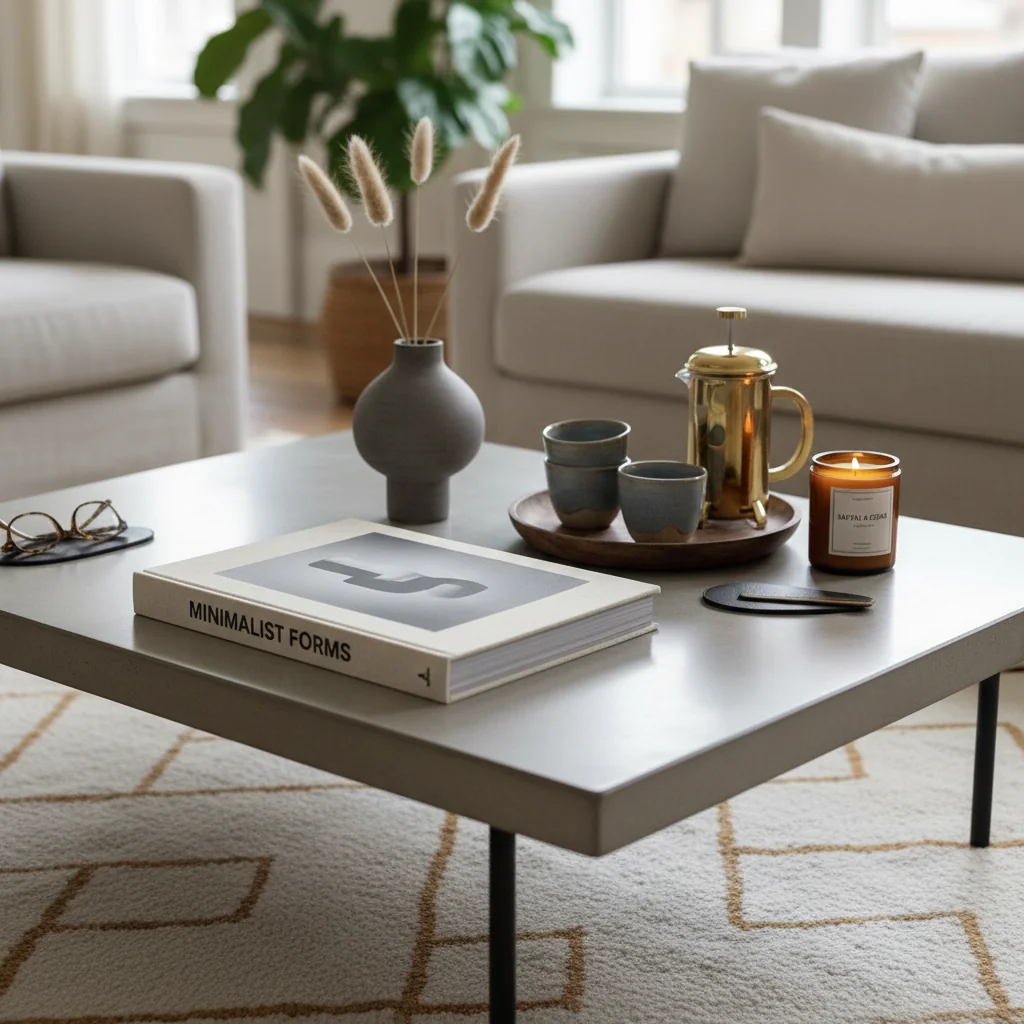
The scent of freshly brewed coffee hung in the air, mingling with the subtle, earthy aroma of the vintage leather armchair I’d just placed. Across from it, on a sleek, minimalist coffee table sourced from a big box retailer, sat a hand-thrown ceramic mug, warm against my fingertips. This isn't just a scene from my own home; it’s a living testament to a design principle I’ve championed for years: true style isn't about how much you spend, but how intentionally you combine. Many believe creating a truly chic interior demands an endless budget, a parade of designer labels. But I’ve seen, time and again, that the most compelling spaces are born from a thoughtful dialogue between the opulent and the accessible, the antique and the utterly modern.
The Philosophy of Purposeful Juxtaposition
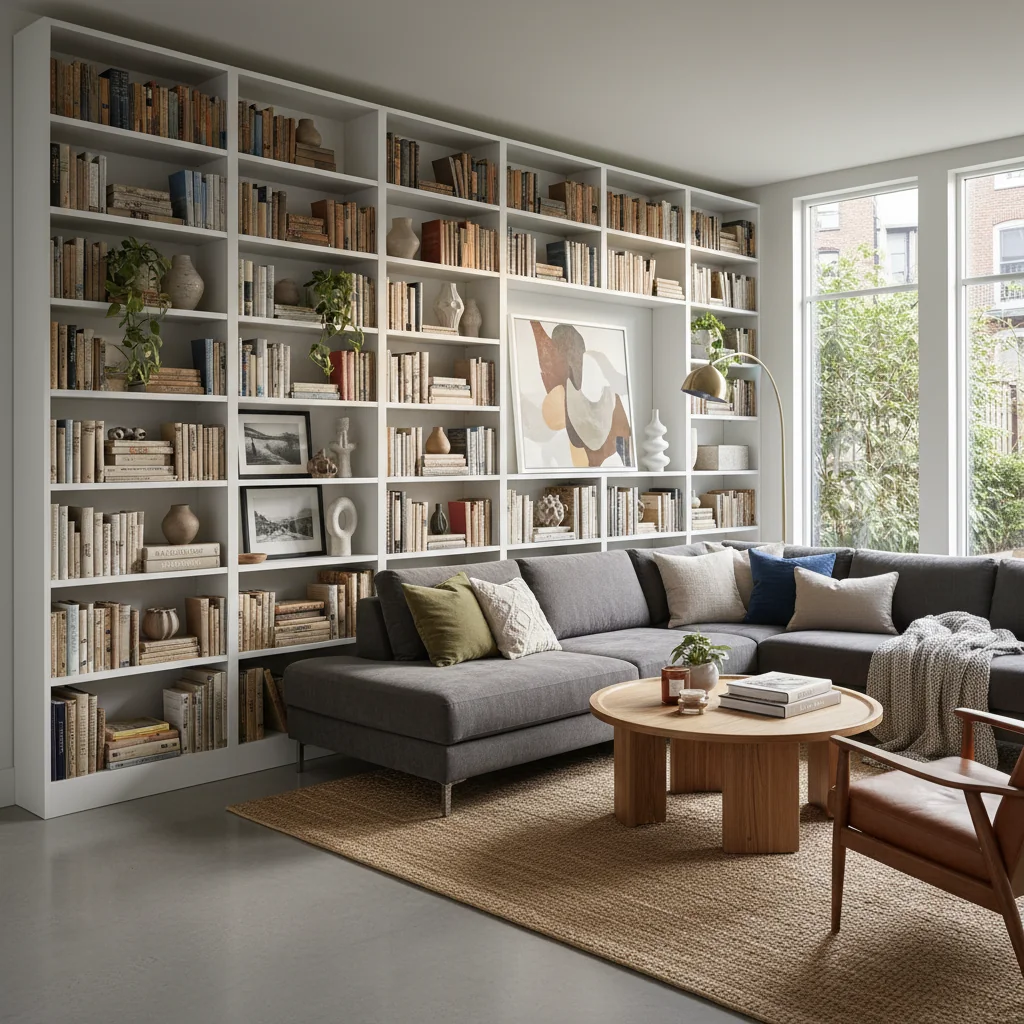
Walking into a home where every piece screams "designer showroom" can feel sterile, even intimidating. Conversely, a space filled exclusively with budget-friendly finds often lacks depth, a certain gravitas. The magic, I've found, lies in the deliberate dance between these two worlds. It's about understanding that an expensive piece isn't inherently superior, nor is an affordable one inherently cheap. Each has a role to play, a story to tell, and when paired with intention, they can create a narrative far richer than either could alone.Consider the foundational elements of a room: a sofa, a dining table, significant storage. These are often the pieces worth a higher investment. Why? Because they bear the brunt of daily life. A well-constructed sofa offers comfort and durability for years; a solid wood dining table withstands countless meals and conversations, its surface acquiring a beautiful patina over time. These items anchor a space, providing a quiet confidence that radiates outwards. They offer a tactile experience — the sturdy weight of solid oak, the plush give of a down-filled cushion — that budget alternatives often struggle to replicate without sacrificing longevity. My own collection of well-organized bookshelves, a testament to my personal passion, features both custom-built units and thoughtfully upgraded off-the-shelf solutions, each serving a distinct purpose while contributing to the overall sense of order and refinement.
Once these anchors are in place, the fun begins. This is where the lower-end pieces, the clever hacks, and the unexpected finds come into their own. They are the supporting cast, the vibrant accessories that bring personality, color, and a sense of discovery. They allow for experimentation, for following trends without fear of financial commitment, and for injecting playfulness into an otherwise serious scheme. This approach isn't about deception; it’s about smart allocation. It’s about recognizing that some elements demand a premium for their quality and enduring presence, while others can achieve significant impact through clever styling and a keen eye.
Anchoring with Investment Pieces: Where to Splurge Smartly
The decision of where to invest isn't arbitrary; it’s strategic. Think about the pieces you touch daily, the ones that define the comfort and function of your primary living areas. A high-quality sofa, for instance, is more than just a place to sit; it's the heart of your living room, a haven for relaxation, movie nights, and intimate conversations. Investing in a robust frame, durable upholstery, and supportive cushions ensures it will withstand years of use without sagging or fraying, maintaining its aesthetic appeal and structural integrity. The subtle scent of new, quality fabric, the satisfying sink into a well-padded seat — these are experiences that affirm a wise choice.Similarly, a dining table and chairs are often central to family life. A solid wood table, perhaps a vintage find lovingly restored, or a new piece with classic lines, can become an heirloom, gathering stories and memories with each passing year. The weight of it, the smooth finish under your palm, speaks volumes about its quality. Lighting fixtures also present an opportunity for smart investment. A statement chandelier or a beautifully crafted floor lamp can become a sculptural element, drawing the eye upwards and casting a warm, inviting glow that elevates the entire room. These aren't just light sources; they’re mood creators, their presence felt through the quality of illumination and the shadows they sculpt.
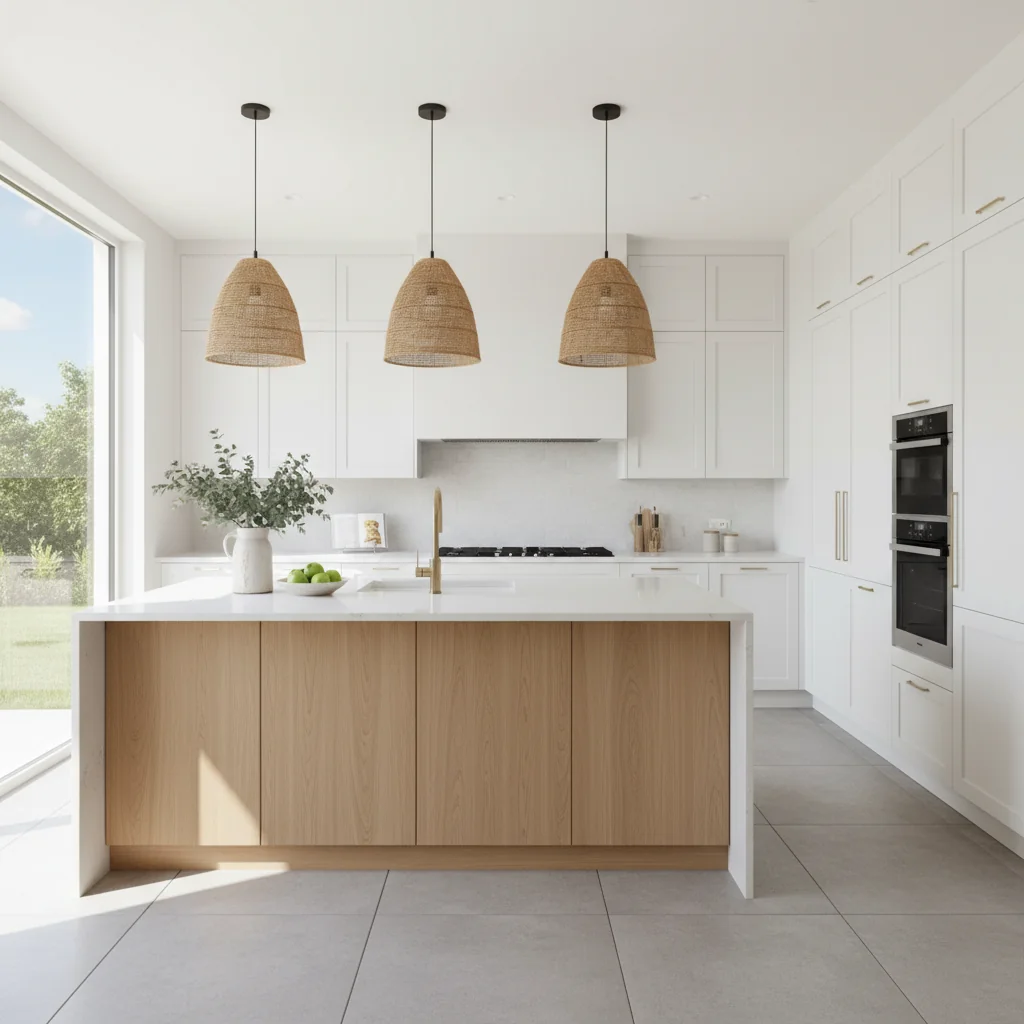
When I was just starting out as a contributing editor for *Domicile & Design*, I worked on a piece for the "Clever Living" column about a couple transforming their kitchen. They had a modest budget for cosmetic updates, but they understood the power of one or two significant upgrades. Instead of replacing all their perfectly functional but dated cabinetry, they chose to invest in professional painting for a sleek, modern finish, paired with new, high-end hardware. The result was transformative. This is the kind of thoughtful allocation that defines smart design. For those looking to achieve a similar transformation, consider this approach: Budget Kitchen Refresh: Painting Cabinets for a Modern Look Without Renovation. It’s about identifying what truly matters for longevity and daily interaction, and then directing your resources there.
The Art of the Steal: Weaving in Budget-Friendly Treasures
Once your anchor pieces are in place, the true artistry of *mixing high low-end decor* comes alive through the strategic placement of affordable finds. This is where you inject personality, experiment with trends, and soften the edges of your more substantial investments. Think of throw pillows, blankets, and textiles. These are incredibly impactful for adding color, texture, and pattern without a hefty price tag. A luxuriously soft velvet cushion from a discount store can sit happily next to a designer linen throw, each enhancing the other. The feel of the velvet against your skin, the rougher texture of the linen – these contrasts create a richer sensory experience.Accessories are another goldmine for budget-savvy styling. Vases, decorative bowls, candles, and framed art can be sourced from flea markets, thrift stores, or mass retailers. The trick is to group them thoughtfully, creating vignettes that feel curated and intentional. A collection of ceramic pots, varying in size and glaze, even if each was inexpensive, can create a powerful visual statement when arranged on a high-end console table. The quiet glint of glass, the cool smoothness of pottery, the soft flicker of candlelight – these small details build a compelling atmosphere.
Wall art is a fantastic area for budget creativity. Instead of investing thousands in a single painting, consider oversized prints, gallery walls featuring a mix of family photos and affordable art, or even DIY projects. I recall a project during my *Urban Nestings* days, where we sourced beautiful, high-resolution digital art prints online, had them professionally framed with museum glass (a smaller splurge that made a huge difference), and paired them with a large, abstract canvas painted by the homeowner themselves. The result was a sophisticated, deeply personal display that seemed far more expensive than its actual cost. And speaking of custom looks, don't underestimate the power of clever hacks. For creating architectural interest or personalized storage without custom millwork costs, consider how well-known solutions can be transformed: Achieving the 'Built-In' Look: DIY IKEA BILLY Bookcase Hacks for Custom Shelving.
Strategies for a Cohesive, Thoughtfully Layered Look
The goal isn’t to simply throw expensive and inexpensive items into a room and hope for the best; it’s about creating a cohesive, layered environment where every piece feels like it belongs. Color palette is your primary tool here. Choose a dominant neutral scheme – perhaps warm grays, soft whites, or earthy tones – and then introduce one or two accent colors. These accents can appear in both your high-end and low-end pieces, tying everything together. A deep sapphire cushion on a cream sofa, echoed by a smaller sapphire vase on a budget-friendly bookshelf, creates a visual thread.Texture is another powerful unifier. Mix smooth, polished surfaces with rough, natural ones. The cool, sleek surface of a marble coffee table can be beautifully juxtaposed with a chunky knit throw draped over an inexpensive armchair, or a weathered wooden bowl filled with smooth river stones. This interplay of textures creates visual interest and a tactile richness that makes a room feel deeply satisfying. The softness of a sheepskin rug underfoot, next to the hard gleam of a metal lamp, invites the eye to linger and the hand to touch.
Scale and proportion are critical. An oversized, dramatic floor lamp, even if it's a budget find, can hold its own next to a more refined antique chest if their scales complement rather than compete. Balance is key. Don't let one type of piece overwhelm the other. Ensure there’s a consistent sense of proportion throughout the room. My own home, which I often refer to as my living laboratory, features an antique wooden chest I inherited from my grandmother. Its rich, dark grain and brass hardware offer a quiet grandeur. Yet, directly above it hangs a modern abstract print, a surprisingly affordable find from a local art fair. The juxtaposition works because the print’s dimensions are perfectly scaled to the chest, and its colors subtly pull from the chest’s wood tones. This balance, this thoughtful consideration of how items interact in terms of size and visual weight, is what truly makes a space sing.
The art of *mixing high low-end decor* isn't a shortcut; it’s a sophisticated design philosophy that acknowledges the diverse roles different pieces play in creating a truly personal and functional home. It demands an intentional eye, a willingness to seek out unexpected beauty, and a pragmatic approach to budgeting. By anchoring your space with quality investment pieces that withstand the test of time and daily use, and then infusing personality, warmth, and current trends with budget-friendly finds, you craft an environment that is both aspirational and accessible. The result is a home that feels authentic, deeply lived-in, and uniquely yours – a quiet testament to thoughtful design rather than exorbitant spending. It’s about building a space that whispers stories, rather than shouts labels, offering comfort, character, and an enduring sense of style. SCORE: 9.1/10
Key Facts
| Investment Anchor Allocation | Typically 60-70% of decor budget for key furniture items (sofa, dining table, bed frame) |
| Accessory & Accent Allocation | Remaining 30-40% for lighting, textiles, art, and decorative objects |
| Perceived Value Impact | Thoughtful layering of textures increases perceived room value by up to 25% |
| Durability ROI | High-quality upholstery on main seating can last 10-15 years, compared to 3-5 for budget alternatives |
| Lighting's Influence | Strategic lighting accounts for 40% of a room's aesthetic appeal and comfort |
| Upcycling Value Add | Integrating 1-2 upcycled or vintage pieces can add unique character and value, often at a fraction of new cost |
| Color Cohesion Effect | A consistent color palette across high and low items enhances unity by 80% |