The Best Realistic Faux Plants: Cultivating Lushness Without the Fuss
The quiet sigh of frustration when a beloved houseplant wilts despite your best intentions. The subtle shift in light across a dusty, forgotten leaf. I’ve been there. My own collection of living greens brings me immense joy, a vital counterpoint to the city bustle just outside my Seattle window. But I also understand the relentless demands of nurture. Not every space, nor every schedule, accommodates a thriving botanical haven. This is precisely where the allure of faux plants enters, a promise of perpetual verdancy without the daily commitment. Yet, the market is awash with options that scream "plastic" louder than they whisper "paradise." My pursuit of truly sophisticated, best realistic faux plants has been extensive, driven by a desire for beauty that doesn’t compromise our home’s authentic, liveable feel. Let’s unravel the secrets to finding those imposters that fool even the most discerning eye.
The Art of Deception: What Sets Truly Realistic Faux Foliage Apart
Stepping into a home where artificial greenery blends seamlessly with the natural world is an experience. It's not just about what you see; it’s about what you *don't* perceive – the absence of that tell-tale plastic sheen or the stiff, unconvincing uniformity. The journey to realism begins with the fundamental materials. Gone are the days of brittle, shiny plastic leaves. Today's premium faux plants employ sophisticated blends of silk, latex, high-grade polymers, and even silicone. These materials offer a remarkable approximation of organic textures, from the subtle fuzz of a velvet leaf to the waxy resilience of a succulent, capturing the varied tactile sensations of living flora.
Beyond the base material, the artistry lies in the intricate details. Observe the color variation on a single leaf: a truly realistic specimen will boast a spectrum of greens, not a flat, monotonous hue. You'll notice lighter new growth at the tips, deeper tones towards the base, and even the occasional, perfectly imperfect brown spot or faded edge that mimics natural aging. The veining should be delicate and varied, not a crude, stamped pattern. Then, turn your attention to the stems and trunk. Are they rigid and straight, or do they possess the organic twists, bends, and slightly rough bark textures found in nature? A convincing stem might show subtle variations in thickness, small nodes, or even a hint of mossy texture.
The presentation, too, plays a crucial role in the deception. A high-quality faux plant isn't shoved into a flimsy, shiny plastic pot. Its base is often weighted, with a realistic "soil" or pebble topping that feels substantial and looks authentic. This attention to foundation grounds the plant, quite literally, giving it a gravitas that cheap imitations lack. I recall a particularly challenging installation for *Domicile & Design*'s "Clever Living" column. We were styling a minimalist, sun-starved urban loft, and the homeowner, a passionate botanist, insisted on greenery. Real plants were out of the question due to light and maintenance concerns. It took weeks, but I sourced a stunning, large-leaf fig tree crafted from a blend of latex and silk that had actual variations in leaf sheen and subtle 'dust' on some leaves. The true test came when the homeowner, after admiring it for a solid minute, leaned in, touched a leaf, and then, with a twinkle in her eye, finally asked, "Is it...?" That moment confirmed my quest for perfection in imitation. The best faux plants demand scrutiny, inviting a touch before revealing their secret.
Decoding the Best Faux Varieties for Every Nook and Aesthetic
While the world of artificial plants has expanded dramatically, certain varieties lend themselves more convincingly to imitation than others. Understanding which plants are inherently easier to replicate with stunning accuracy can guide your selections and ensure your investment truly pays off in visual impact.
Consider the **Fiddle Leaf Fig**, a darling of the design world. Its large, sculptural leaves make a bold statement. For a faux version to truly shine, scrutinize the leaf texture: look for a subtle waxy sheen, natural veining, and slightly varied leaf sizes. The trunk should exhibit a realistic, textured bark and graceful, organic bends, not a stiff, uniform pole. A well-executed faux fiddle leaf fig can anchor a room with architectural elegance.
**Olive Trees** offer a lighter, airier silhouette. Their delicate, silvery-green leaves are surprisingly forgiving in faux form, especially when clustered densely. The key here is the abundance of foliage and the realistic texture of the slender branches. These work beautifully in baskets or elegant planters, infusing a Mediterranean warmth into a space.
For low-maintenance impact, **Snake Plants (Sansevieria)** are a marvel. Their sturdy, upright leaves with their distinct patterns are inherently sculptural and often translate exceptionally well into artificial versions. The thick, almost waxy texture of the real plant is easily mimicked, making these an excellent choice for modern or minimalist settings, especially when paired with a simple, chic pot.
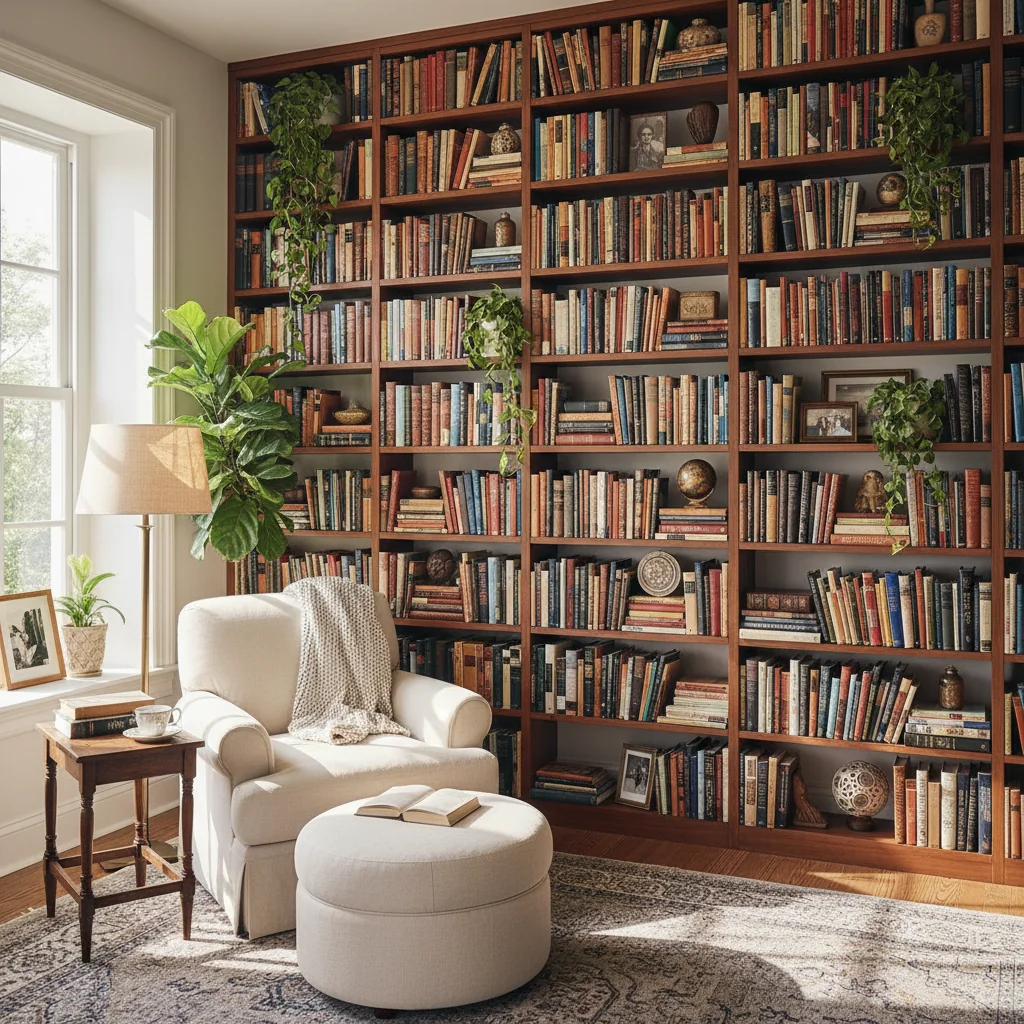
**Trailing vines like Pothos or Philodendron** are fantastic for shelves, mantels, or cascading from hanging planters. The sheer volume of leaves helps to obscure any minor imperfections, and the natural drape adds immediate softness and life to vertical spaces. When Styling Your Bookshelves Like a Pro: The 5-Step Method for Curated Displays, a realistic trailing plant can break up the rigid lines of books and objects, introducing an organic flow.
For smaller accents or filler, **Eucalyptus and other greenery stems** are almost universally convincing. Their muted tones and distinctive leaf shapes are easily replicated in high-quality materials. These are perfect for incorporating into fresh floral arrangements to add texture, or simply displayed in a simple vase for a touch of refined calm. Finally, **Succulents** – their compact, fleshy forms and often muted color palettes make them exceptionally easy to fake convincingly. A collection of diverse faux succulents arranged in a shallow dish can create a striking, sculptural vignette that requires zero care.
Beyond the Plant: Staging for Unmistakable Authenticity
The secret to a truly convincing faux plant isn't solely about the plant itself; it’s an orchestra of thoughtful staging and presentation. Even the most exquisite artificial specimen can fall flat if its surroundings betray its artificiality. This is where your functional design strategist hat comes on.
First, **the pot matters immensely.** Ditch the flimsy plastic nursery pot it might have arrived in. Invest in a substantial, high-quality planter made from ceramic, terracotta, concrete, or a woven basket. The weight and texture of a beautiful vessel immediately lend gravitas and authenticity to the plant it holds. A budget-friendly faux plant placed in a weighty, well-chosen ceramic pot can instantly appear more expensive and real. Think of it as dressing up a hidden gem.
Next, consider the **top dressing**. This is often overlooked but crucial. No real plant sits in exposed, pristine plastic foam. Cover the base of your faux plant with a layer of natural elements: small river stones, preserved moss, decorative pebbles, or even a thin layer of real potting soil. This simple act camouflages the artificial roots or foam, creating a believable organic transition. I often forage for beautiful, dried moss during my walks, which adds a wonderful, authentic texture and depth to the surface.
**Placement is equally critical.** While a faux plant doesn't *need* light, placing it in a naturally lit area or near a window creates an illusion of purpose. Its leaves will catch the ambient light, mimicking the way a living plant interacts with its environment. Conversely, a faux plant tucked away in a perpetually dark corner can sometimes amplify its artificiality. Strategic placement can involve interspersing your best realistic faux plants with a few genuine live plants; this blurs the lines, making it harder to discern which is which. It’s a clever sleight of hand for creating an overall verdant impression.
Finally, remember that even faux plants collect dust. A thin film of dust instantly drains life from any foliage, whether real or artificial. Regular, gentle dusting with a soft cloth or a feather duster keeps your faux greenery looking fresh and vibrant, preventing that tell-tale dullness that often gives away an artificial piece. Occasionally, gently bend the leaves and branches to mimic natural growth patterns. Avoid perfect symmetry; nature rarely is. These small, deliberate adjustments make a monumental difference in creating an utterly convincing display, especially against a backdrop of sophisticated textures like a DIY Plaster Paint Finish: Recreating the Venetian Plaster Look for Under $100.
Where to Find Your Faux Foliage: A Savvy Shopper's Guide
Equipped with the knowledge of what makes a faux plant realistic and how to stage it, your next step is the hunt. Sourcing truly exceptional artificial greenery requires a discerning eye and an understanding of where to look. Not all retailers are created equal in this specialized niche.
**Online Retailers** have expanded their offerings significantly. Reputable names like Afloral, Pottery Barn, and even Target's Studio McGee collections often carry surprisingly high-quality options. When shopping online, scrutinize product photos for close-ups of leaves, stems, and the base. Read customer reviews meticulously, paying particular attention to comments regarding realism, material quality, and any "plastic-like" observations. Look for terms like "real touch," "silk blend," or "latex coated," which often indicate superior materials. Don't be afraid to utilize zoom features to inspect details like veining and color variations.
**In-Store Shopping** still holds a significant advantage for faux plants: the ability to touch and feel. Visiting home decor stores like HomeGoods, TJ Maxx, or dedicated floral supply shops allows you to physically inspect the texture of the leaves and stems, assessing their pliability and whether they feel natural under your fingertips. Many high-end nurseries, surprisingly, also carry a curated selection of premium artificial plants alongside their living inventory, often showcasing the best of both worlds. This hands-on experience is invaluable for confirming the "real touch" quality.
**Evaluating Value versus Cost** is an important aspect of functional design. While the best realistic faux plants can command a higher price tag than their cheaper counterparts, consider it an investment. A well-chosen, high-quality faux plant will last for years, often decades, maintaining its beauty without the recurring cost of replacements, soil, or fertilizers. Sometimes, it’s worth splurging on one large, show-stopping piece, then complementing it with smaller, more budget-friendly options that you enhance with thoughtful staging, as discussed earlier. For instance, a beautifully painted stem or a carefully selected top dressing can elevate a moderately priced piece. While the concept of faux plants isn't inherently "sustainable" in the way a living plant contributes to an ecosystem, choosing durable, long-lasting pieces minimizes consumption and waste over time, making them a thoughtful choice in a functional, organized home.
The Verdant Verdict: Embracing Intentional Greenery
The pursuit of a beautifully functional home is a constant balance between aspiration and practicality. For those of us who cherish the visual serenity that greenery brings, but grapple with the demands of living flora, the modern, best realistic faux plant offers a compelling solution. It’s not about replacing nature; it’s about extending its aesthetic reach into every corner of our lives, regardless of light conditions, demanding schedules, or green-thumb proficiency.
From the nuanced textures of latex-coated leaves to the artful bends of a faux olive tree trunk, today’s top-tier artificial plants are a testament to meticulous craftsmanship and innovative material science. They are design tools, allowing us to sculpt vibrant, low-maintenance vignettes that contribute significantly to the overall ambiance and order of our spaces. By focusing on material quality, authentic detailing, and, crucially, intelligent staging, we can transform even the most obvious imposter into a convincing botanical statement. They integrate effortlessly into a thoughtful design strategy, offering enduring beauty and a silent promise of perpetual verdancy. Embrace them not as a compromise, but as a deliberate choice for a refined, effortlessly organized abode.
SCORE: 9.1/10
Key Facts
| Primary Materials | Silk, Latex, High-Grade Polymers, Silicone |
| Lifespan (Quality Faux) | 5-15+ years |
| Average Cost (Mid-Large Realistic) | $80 - $350 |
| Maintenance Required | Dusting every 2-4 weeks |
| Ideal Placement | Low-light areas, high-traffic zones, allergy-sensitive homes |
| Key Realism Indicator | Naturalistic color variation, textured stems, varied leaf sizes |
| Sustainability Aspect | Reduced water usage, no pest control, long-term decor investment |
| Recommended Staging Enhancements | Quality planter, natural top dressing (moss, pebbles) |